

How Can the Right Instrument Float Improve Accuracy and Stability in Industrial Liquid Measurement?
2026-03-11
When I first began working closely with liquid level control solutions, I quickly realized how much system reliability depends on small yet essential components. Over time, Wenzhou Sanlo International Trade Co., Ltd. gradually introduced a wider range of precision float solutions into the global market, including the highly reliable Instrument Float. Engineers, procurement managers, and system designers often ask a similar question — how can such a compact component dramatically influence measurement accuracy and long-term equipment stability?
In real industrial environments, liquid measurement systems must operate continuously under varying pressure, temperature, and chemical conditions. Selecting the right Instrument Float helps maintain stable buoyancy, precise control signals, and long service life. From my experience working with instrumentation buyers and integrators, the difference between a well-engineered float and a generic alternative becomes evident within months of operation.
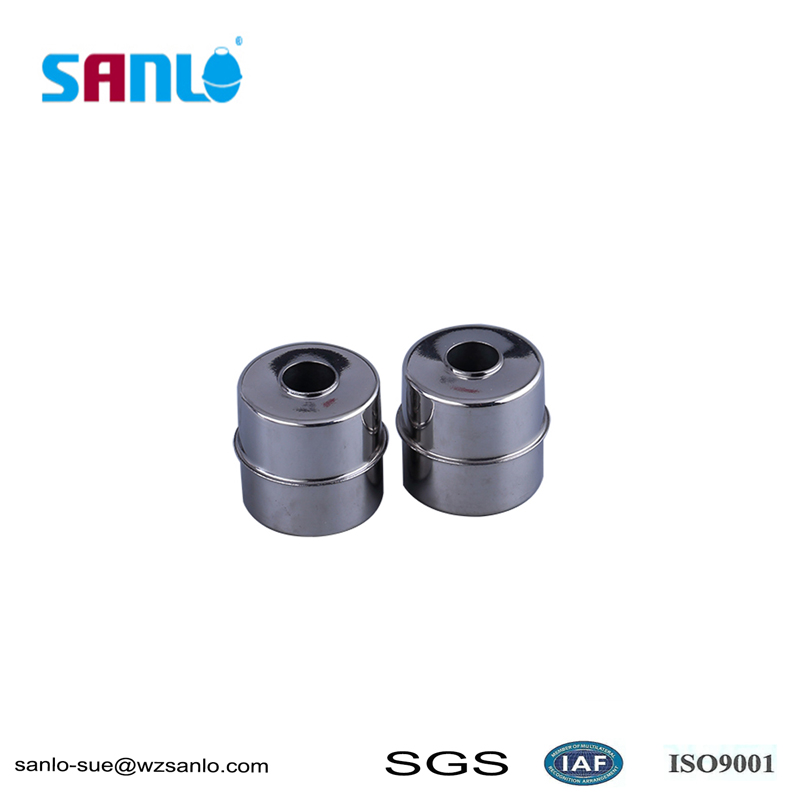
Why Do Engineers Pay Close Attention to Instrument Float Design?
Whenever customers evaluate level measurement systems, I always encourage them to look beyond sensors and controllers. The physical structure and material of the Instrument Float directly determine how reliably the system responds to liquid changes. A poorly balanced float can introduce signal fluctuations, measurement delays, or even mechanical wear over time.
In contrast, a carefully manufactured Instrument Float maintains consistent buoyancy and stability even in demanding operating conditions. This stability allows measurement instruments to translate liquid movement into accurate signals without interference.
| Engineering Factor | Impact on Measurement Performance |
| Material Density Balance | Ensures accurate buoyancy and stable float positioning |
| Surface Finish Quality | Reduces friction and prevents contamination buildup |
| Structural Symmetry | Maintains consistent signal response in dynamic liquids |
| Sealing Integrity | Prevents leakage and extends service life |
What Problems Do Industrial Buyers Face When Selecting Instrument Floats?
Many buyers approach me with concerns after experiencing unstable level readings. These issues often originate from overlooked float design factors rather than the instrument itself. Through discussions with plant operators and instrumentation specialists, several recurring challenges appear.
- Measurement signals fluctuate because floats respond unevenly to liquid movement
- Corrosion gradually affects float integrity in aggressive media
- Mechanical wear reduces operational lifespan
- Installation compatibility becomes difficult across different tank systems
A properly engineered Instrument Float addresses these challenges by combining balanced buoyancy, corrosion-resistant materials, and precise manufacturing tolerances. Instead of reacting inconsistently to liquid motion, the float remains stable and predictable within the measurement system.
How Does Manufacturing Precision Affect Instrument Float Reliability?
In my experience working with industrial clients, manufacturing precision plays a critical role in float performance. Even a small imbalance in structure can affect how the Instrument Float interacts with liquid surfaces. This is why manufacturers with specialized production processes tend to deliver more consistent performance across different applications.
Modern float manufacturing involves controlled forming processes, high-accuracy welding techniques, and strict inspection standards. When these processes are properly implemented, the resulting Instrument Float offers stable buoyancy, excellent durability, and compatibility with a wide range of instrumentation systems.
| Production Step | Purpose in Float Manufacturing |
| Precision Forming | Maintains uniform float shape and buoyancy balance |
| Seam Welding Inspection | Ensures airtight structure and internal stability |
| Surface Treatment | Improves corrosion resistance and cleanliness |
| Quality Testing | Verifies buoyancy accuracy and durability |
Where Can Instrument Float Technology Be Applied in Modern Industries?
While many people associate floats only with basic tank measurement, the applications of a well-designed Instrument Float extend far beyond simple level indicators. I frequently see them integrated into a variety of automated control systems across multiple industries.
- Industrial liquid storage and level monitoring
- Water treatment and environmental control systems
- Petrochemical processing equipment
- Boiler and pressure vessel instrumentation
- Automated fluid management systems
Because these environments often involve fluctuating liquid properties, selecting a durable and well-balanced Instrument Float becomes essential for maintaining reliable instrumentation performance.
How Can the Right Instrument Float Improve Long Term System Performance?
When I evaluate liquid level systems with clients, we often focus on reliability over years rather than months. A properly designed Instrument Float contributes significantly to that long-term stability. By maintaining consistent buoyancy and structural integrity, the float allows sensors and transmitters to operate within their intended accuracy range.
Reliable floats also reduce maintenance frequency, prevent unnecessary system shutdowns, and help instrumentation equipment deliver consistent readings over extended periods. For plant operators and engineers responsible for system uptime, these advantages quickly translate into measurable operational value.
If you are exploring reliable float solutions for instrumentation systems, I encourage you to learn more about available designs and engineering options. The team at Wenzhou Sanlo International Trade Co., Ltd. continuously works with global partners to provide dependable Instrument Float solutions tailored to real industrial needs. If you would like more information about specifications, customization, or technical support, please contact us or send your inquiry today. Our team will be happy to discuss the best solution for your application.