

Top Self Storage Units: Finding the Best Facility for Your Needs
2026-07-31
Finding the ideal self storage unit can quickly become a maze of options, prices, and hidden clauses. Whether you're stashing seasonal gear or securing business stock, the difference between a headache and a hassle-free experience often comes down to the facility you choose. That's why trusted names like NORTON are changing the game—delivering clarity and quality where it matters most. In this guide, we'll walk you through the must-know tips to pinpoint a storage solution that truly fits your life.
How to Pinpoint the Perfect Storage Unit Size Without Second-Guessing
Most people guess at a storage unit size and hope for the best, but that's a recipe for wasted money or last-minute scrambles for more space. Start by physically mocking up the footprint—tape out the dimensions on your garage floor or driveway, then stack some boxes inside the outline. This hands-on test beats any online calculator because it accounts for awkward gaps and how your specific belongings fit together.
Don't just think in square feet; think in three dimensions. Items like bikes, ladders, or rolled rugs eat vertical space differently than stackable bins. Plan your layout as if you're packing a moving truck: heaviest items at the bottom, rarely used ones in the back, and a clear path to things you might need. And always add a 15% buffer—you'll inevitably accumulate more than you planned for, and a cramped unit is a headache you can avoid from day one.
Climate Control or Standard: Which One Actually Protects Your Stuff?
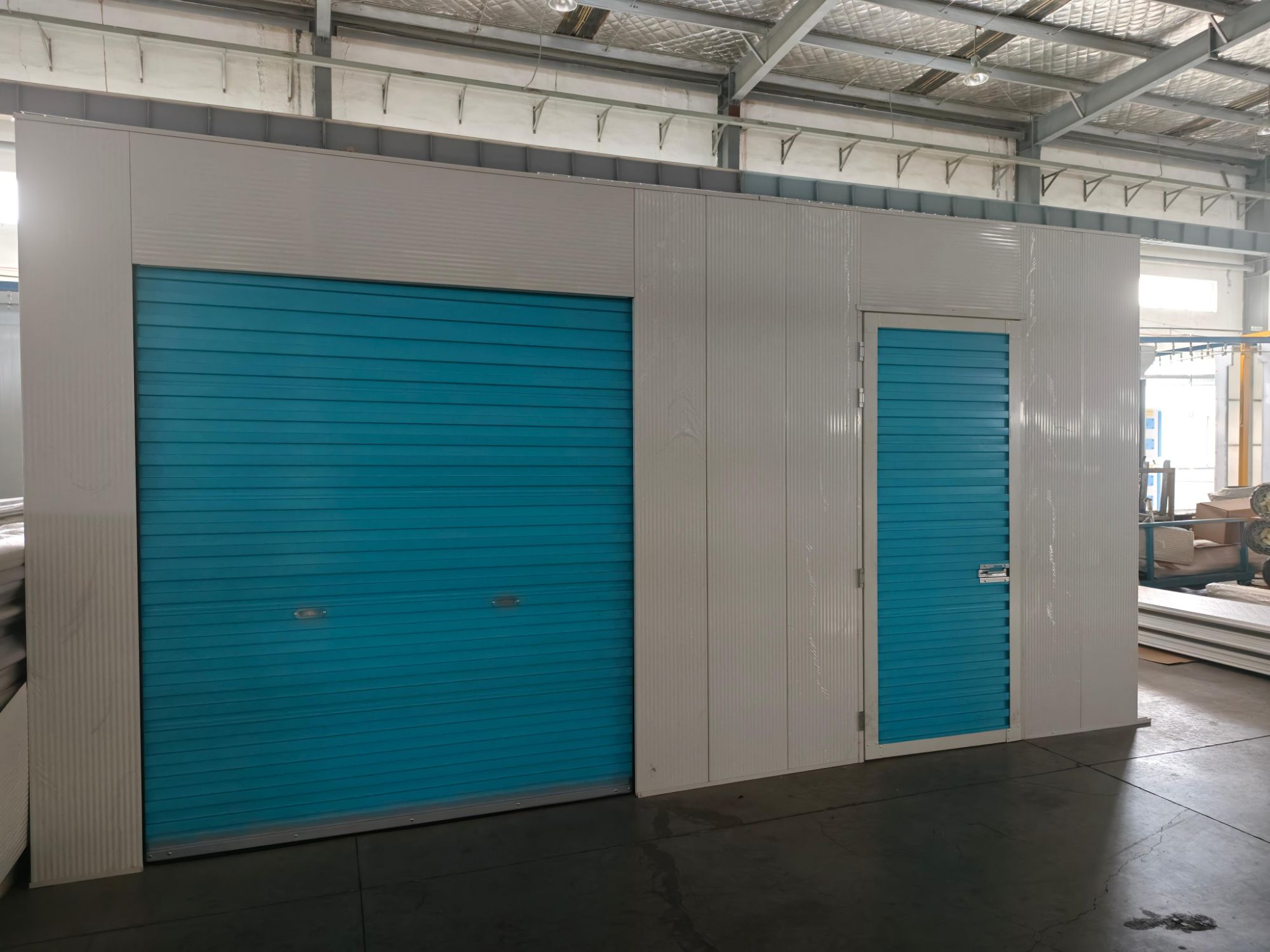
The fundamental difference between climate control and standard storage isn't just about temperature—it's about understanding what your belongings truly need to survive long-term. While standard units shield items from direct weather, they still leave them vulnerable to seasonal humidity swings, mold, and warping that can silently destroy wood, electronics, and fabrics. Climate-controlled spaces actively manage both temperature and humidity, creating a stable environment that mimics the inside of your own home, not a garage or shed. This protection becomes non-negotiable for anything with sentimental or monetary value: family heirlooms, leather furniture, artwork, or important documents simply won't survive a year of fluctuating conditions without damage you'll only notice when it's too late.
But the choice isn't always about extremes—it's about honest assessment of your items and timeframe. If you're storing a car for the winter, or rotating seasonal gear in and out every few months, a standard unit can work perfectly fine. The real dividing line is sensitivity: any material that reacts to moisture—paper, electronics, vinyl records, musical instruments—demands climate control. Even things that seem durable, like tools, can rust in high humidity. And consider the invisible enemy: pests. Climate-controlled facilities tend to be better sealed, adding another layer of defense that standard outdoor-access units simply can't match. It's not about paying for luxury; it's about avoiding the costly mistake of assuming a roof equals protection.
Ultimately, the decision hinges on a simple question: would you leave this item in an unconditioned attic or basement for a year? If the answer is no, and you actually care about retrieving it in the same condition, then climate control isn't optional—it's insurance. The price difference, often just 20-30% more, is laughably small compared to replacing a couch full of mold or a vintage guitar with a warped neck. Think of it this way: standard storage rents you space; climate-controlled storage rents you preservation. And when you open that door months or years later, you'll either be relieved you chose wisely, or you'll learn a very expensive lesson about what moisture and temperature swings can do while you weren't watching.
Hidden Fees and Sketchy Contracts: What to Watch For Before Signing
Before you put pen to paper, take a hard look at the numbers. Companies love to tack on ambiguous fees disguised with friendly names—like 'administrative charges' or 'regulatory surcharges.' If you can’t get a clear, itemized breakdown of what each dollar covers, treat it as a red flag. Ask directly: 'Is this the final amount I’ll be charged every month, tax and fees included?' A honest business won't dance around the answer.
Watch for contracts that automatically roll over unless you cancel within a tiny, inconvenient window. Many people get stuck paying for another full cycle simply because they missed a deadline buried on page seven. When you spot an auto-renewal clause, pause and think. Will you realistically remember to cancel three days before renewal next year during the holidays? If not, strike it out before signing or set multiple reminders the moment the contract starts.
Trust what’s written, not what’s said. A charming salesperson’s verbal promises disappear the second there’s a dispute. If a discount or extra service isn’t spelled out in black and white, it doesn’t exist. Don’t be shy about asking them to add clarifications directly onto the document. A solid company won’t mind making things official, and if they resist, that’s your cue to walk away.
Location Matters Less Than You Think – Here’s What Really Counts
When you picture your dream home, the neighborhood probably dominates your checklist. But hyper-focusing on a specific zip code can blind you to outstanding opportunities just a few streets over. The truth is, location is a moving target. A “hot” area today might cool off tomorrow, while an overlooked pocket quietly blossoms with new cafes and better transport links. The real magic lies in the property’s ability to adapt to your life, not the other way round. A home that feels right—with the layout you need, natural light that lifts your mood, and a sense of calm you can’t quantify—will outlast any fleeting postcode prestige.
So what genuinely moves the needle? First, think about the micro-location: can you walk to the essentials that matter to you? A local grocer, a decent coffee spot, a patch of green for Sunday strolls. Those daily rituals shape your happiness far more than the city-centre distance on a map. Then, consider the home’s bones and flow. A clever floor plan, storage that hides the clutter, and a quiet bedroom that faces the garden can make a cramped space feel like a sanctuary. Often, buyers chase square footage and forget that how a space feels is what they actually live with each morning.
Finally, don’t underestimate community. A great location with cold neighbors is less valuable than a so-so street where kids play out front and someone feeds your cat when you’re away. Walk the area at different times, listen to the rhythm of the place, and trust your gut. The right property isn’t defined by a dot on a map—it’s the one where your shoulders drop the moment you step through the door, and that can happen in the most unexpected corners.
Security That Actually Works: Spotting Facilities That Don’t Cut Corners
It's easy to be fooled by a clean lobby and a friendly front desk. Real security is often invisible. The facilities that don't cut corners invest in things you rarely notice--backup power systems that actually get tested, fire doors that close and latch properly, and evacuation routes that aren't blocked by furniture. If the place feels too polished without substance, dig deeper.
Ask about maintenance schedules. Any facility worth its salt can produce logs of when fire extinguishers were last inspected, when alarm systems were tested, and when emergency lighting was checked. A hesitation or a vague answer is a red flag. Also, look at the small stuff: Are exit signs lit? Do security cameras have clear views, or are they covered in dust? These details reveal whether safety is a priority or just a box-checking exercise.
Staff behavior is another tell. In truly security-conscious places, employees can explain what they'd do in an emergency without sounding like they're reciting a script. They'll know the location of the nearest fire pull station and the designated assembly point--not because they memorized a manual, but because drills are taken seriously. When safety culture is real, it shows in how people carry themselves.
Packing Like a Pro: Simple Tricks to Maximize Every Square Foot
Rolling your clothes instead of folding them is a game changer. Not only does it prevent wrinkles, but it also lets you fit far more into your suitcase. You can even tuck smaller items like socks and underwear inside the rolls to make use of every inch of space.
Another trick is to use packing cubes or compression bags. These keep similar items together and squeeze out excess air, almost doubling your capacity. Think of them as lightweight organizers that turn chaos into a neatly stacked system.
Don’t forget about the dead spaces—stuff shoes with chargers, belts, or accessories, and fill every gap between larger items with soft, malleable pieces. The key is to treat packing like a 3D puzzle where no hole goes unused.
FAQ
Start with location and accessibility—nothing beats a facility close to your daily route. Then look at unit size options, because paying for space you don't use is frustrating. Don't forget climate control if you're storing wooden furniture or electronics, as temperature swings can cause warping or damage. Security features like gated access, cameras, and good lighting give peace of mind. Finally, a clean, well-maintained facility with friendly staff often reflects how seriously they take your belongings.
It's easy to overestimate or underestimate what you need. A quick inventory helps—pile everything you plan to store and measure the approximate volume. Most facilities list sizes like 5x5 for small lockers or 10x20 for a household's worth. Remember to leave walking space if you'll need frequent access. Some companies offer size calculators online, but nothing beats seeing a unit in person with your own measurements in mind.
That depends on what you're storing and your local weather. In humid regions, unprotected wood, leather, and paper can mildew or warp. Electronics and appliances can suffer from condensation. If the facility maintains stable temperature and humidity, you're buying insurance against gradual decay. For short-term storage of sturdy items in mild climates, you might skip it and save money, but it's wise to ask about seasonal extremes.
Look for layered protection: perimeter fencing with keypad-controlled gates, round-the-clock video surveillance, and well-lit corridors. Individual unit alarms add another level of deterrence. A manager who lives onsite or daily staff patrols make a noticeable difference. Don't overlook basics like sturdy locks—some facilities even recommend disc locks that are tough to cut. Trust your gut when you visit; if a place feels neglected, your stuff might be neglected too.
Ask for the all-in monthly rate, including any mandatory insurance or administrative fees. Cheap introductory offers often jump after the first few months. Request a breakdown of charges before signing, and check if they require you to use their own expensive lock or purchase a specific insurance policy. An honest facility will be upfront about late payment penalties and access-hour restrictions that could cost you extra if you need after-hours entry.
Yes—flammable or hazardous materials like gasoline, paint thinners, aerosol cans, and fireworks are strictly prohibited. Perishable food attracts pests. Valuables like jewelry or family heirlooms are better off in a safe deposit box due to insurance limits. Living things, of course, are out. If you're unsure about an item, call the facility; most managers appreciate the question rather than dealing with a later problem.
Go beyond the glossy website. Ask to see the exact unit you'd rent, not just a model. Inquire about pest control schedules—a stray rodent can ruin everything. Find out how they handle unexplained power outages or climate system failures. Ask whether staff accept deliveries on your behalf if that's convenient. Also, casually ask a current tenant about their experience; an unsolicited opinion can reveal more than any sales pitch.
Conclusion
Picking a storage unit that actually fits your life doesn’t have to feel like a gamble. Most people rent too much space or too little, so start by visualizing what you’re storing and how you’ll access it. If it’s furniture and boxes you plan to retrieve occasionally, a smaller unit packed tightly works. But if you need to walk in and out, go slightly bigger. And that debate between climate control and standard units? It’s not just about comfort—it’s about whether your items can handle temperature swings. Electronics, wood furniture, and paperwork fade or warp fast in unconditioned spaces. The monthly price difference often pays for itself in avoided damage. Then there’s the fine print: many facilities reel you in with a cheap first month, then hit you with insurance upcharges, admin fees, or rate jumps after 90 days. Reading the contract start to finish before signing is the only way to spot those traps.
Location seems obvious, but a facility ten miles farther out might save enough cash to make the occasional drive worthwhile. What really counts is secure access, a clean site, and real-time surveillance—look for individually alarmed units, well-maintained gates, and staff who monitor the property instead of just leaving a keypad. Once you’ve got the right space and rules, how you pack determines how well you use it. Vertical stacking with sturdy shelving, labeling every box on multiple sides, and leaving a center walkway turns chaos into a system. Even small moves like placing heavy items in the back and keeping a checklist on your phone remove the stress of future visits.
Contact Us
Contact Person: Cyril He
Email: [email protected]
Tel/WhatsApp: 8613969697307
Website: https://cqyqgd.en.alibaba.com/