
Top Medium and Heavy Plate Wholesaler: How to Choose the Right Partner for Your Steel Needs
2026-05-26
Finding the right medium and heavy plate wholesaler can make or break your project’s success—whether you’re in construction, shipbuilding, or heavy machinery. But with so many options claiming reliability, how do you separate genuine expertise from empty promises? The answer lies in looking beyond price tags and delivery times. In this guide, we’ll walk you through the critical factors that define a truly dependable partner, and why more industry leaders are turning to Sanhe Steel for plates that consistently meet the toughest specifications.
Scrutinizing Material Certifications and Mill Test Reports
Too many projects treat material certs and mill test reports as afterthoughts—documents to file away rather than dissect. But a stack of paper with a mill’s logo doesn’t automatically mean the steel, pipe, or plate meets your requirements. I’ve seen certified material fail because the chemistry fell just outside the permissible range for a heat, yet the report was marked “conforming” through a clerical oversight. That’s why scrutiny starts with matching every heat or lot number on the report to the physical markings on the delivered material. If those numbers don’t line up, nothing else matters.
Beyond basic traceability, you need to compare the reported mechanical properties and chemical composition against your governing code or specification line by line. Yield strength, tensile strength, elongation, and impact values aren’t just numbers to glance at; they might shift depending on the thickness range, heat treatment, or even the sampling orientation. A common slip-up is accepting a generic test frequency when your contract calls for additional checks—like through-thickness properties for heavy sections. Also, watch for labs that aren’t accredited to the relevant ASTM or ISO standards, because an unaccredited test result can invalidate a whole batch.
The fallout from loose cert review ranges from expensive rework to catastrophic failure. On one job, a pressure vessel fabricator missed that a plate’s charpy test was run at a temperature higher than the design minimum; the vessel barely lasted two years in cold service. Good practice means flagging inconsistencies early—like a mill’s failure to note a repaired area—and demanding clarifications before material goes into production. It’s tedious work, but the alternative is gambling with components that might not withstand operational stresses, and that’s a wager no one should be willing to make.
Assessing Inventory Depth and Custom Sizing Capabilities
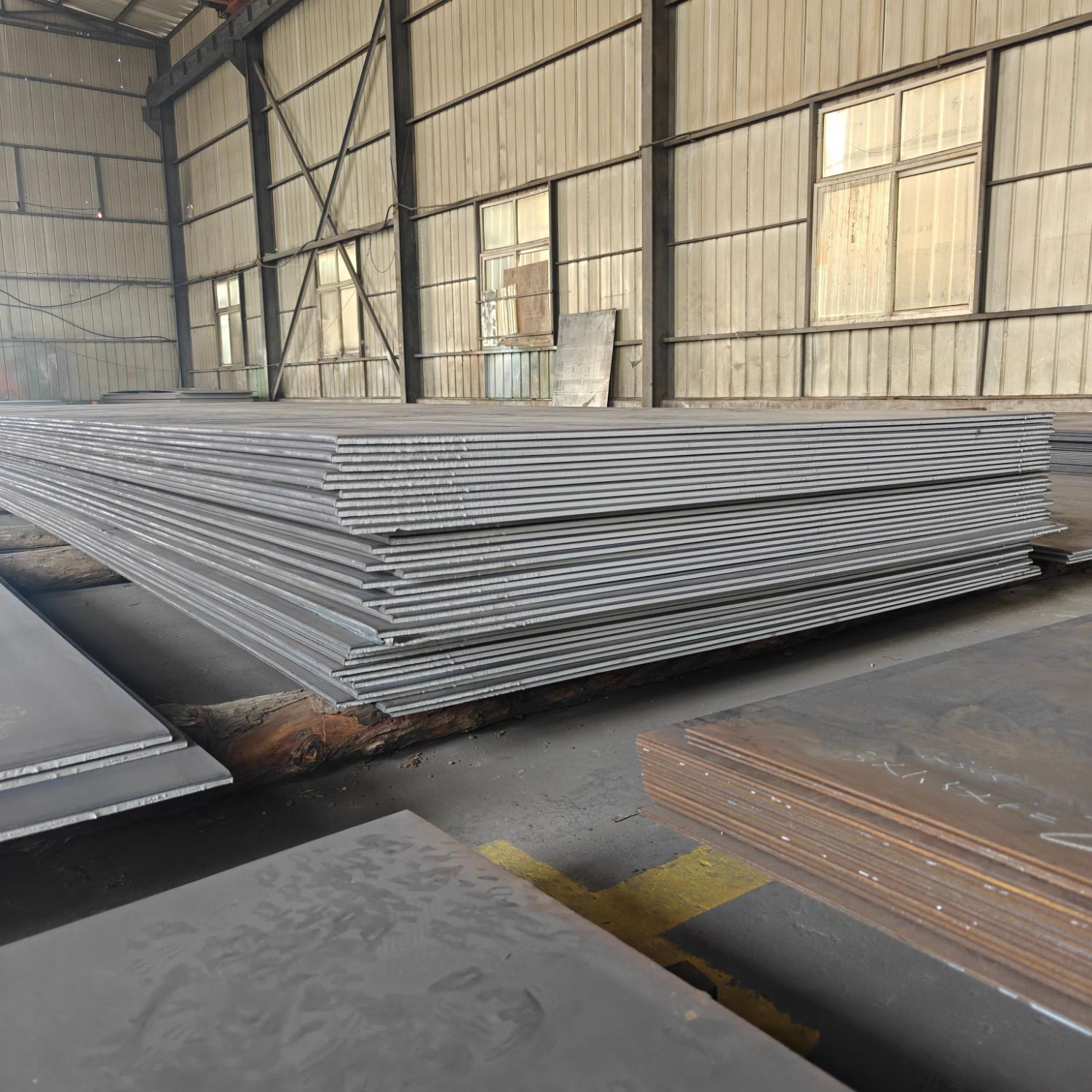
When evaluating a supplier's inventory depth, it's critical to look beyond advertised stock levels. Genuine depth means having consistent availability across all listed sizes and variations, not just the most popular ones. We often ask partners to share real-time inventory data feeds or allow spot checks during peak demand periods. This helps reveal whether their stock is merely a brochure figure or a reliably maintained buffer that can absorb unexpected order surges without cascading delays.
Custom sizing capabilities are another dimension where many providers overpromise and underdeliver. True flexibility isn't just about offering a few off-menu dimensions; it involves a disciplined engineering process that translates unique specifications into production-ready designs without excessive lead-time creep. We look for evidence of modular tooling, in-house patternmaking expertise, and a transparent cost structure for non-standard requests. A partner who openly discusses the trade-offs between customization speed and precision is usually more trustworthy than one claiming “anything is possible” with vague pricing.
Decoding Pricing Structures Beyond the Per-Ton Quote
The quoted price per ton often serves as just the entry point to a far more intricate pricing framework. While it grabs attention, savvy buyers know that this headline number rarely captures the true cost. Variables like freight, handling, and delivery scheduling can dramatically alter the final invoice. A seemingly low per-ton rate might balloon once you factor in minimum order quantities, fuel surcharges that ride on volatile indices, or demurrage fees for delayed unloading. Suppliers sometimes back-load these charges, making initial comparisons deceptive. To navigate this, you need to peel back the layers and examine the complete landed cost equation.
Beyond logistics, the composition of the material itself introduces pricing nuances that a simple per-ton figure obscures. Specifications—think purity levels, moisture content, or particle size distribution—can trigger premiums or discounts that are quietly embedded in contract language. A base price might assume a standard grade, but if your application demands tighter tolerances, the adjustment isn't always transparent. Savvy operators keep a close eye on quality adjustment clauses, which can swing the effective rate by several percentage points. Negotiating a cap on these adjustments or tying them to verifiable benchmarks shifts the balance back in your favor.
Long-term agreements and volume commitments further complicate the picture, often in ways that benefit the party with better forecasting. A flat per-ton quote might lock you in at a rate that looks attractive today but becomes a liability if spot prices plummet. Flexible indexing mechanisms—pegging a portion of the price to published indexes or raw material inputs—can introduce a shared risk model. At the same time, payment terms, early settlement discounts, and contract duration concessions can effectively alter the price without changing the headline figure. The real skill lies in dissecting these interlocking elements and understanding how they behave under different market conditions.
Mapping Logistics Networks and On-Time Delivery Track Records
At the core of a fast-moving supply chain lies the ability to visualize every route, hub, and handoff. Mapping logistics networks isn't just about plotting dots on a screen—it's about understanding how goods flow across regions, where congestion builds up, and which alternate paths keep things running smoothly. When teams have a live picture of their entire network, they can reroute shipments before delays cascade, adjust carrier assignments on the fly, and even predict seasonal pressure points before they strike.
On-time delivery track records are the real proof point of that operational health. More than a simple percentage, these records reveal patterns: a particular last-mile zone consistently missing windows, a carrier that excels in one region but stumbles when crossing borders, or a shift in traffic trends that nobody saw coming. By digging into these historical and real-time data points, logistics teams move from reactive firefighting to proactive calibration—tightening delivery promises where they can be honored and flagging risk areas with honest ETAs.
Bringing the two together—detailed network maps and granular delivery histories—creates a feedback loop that drives continuous improvement. Every delay logged adds insight to the map, and every map update sharpens the accuracy of future commitments. It stops being about chasing perfection and becomes about building a system that learns, adapts, and earns customer trust one successful delivery at a time.
Evaluating Problem-Resolution Responsiveness and Technical Support
When a system hiccup throws a wrench into daily operations, how swiftly a company reacts often speaks louder than any slick marketing promise. It's not just about logging a ticket—it's the quiet friction of watching an hourglass spin while deadlines pile up. Solid support teams cut through that tension by owning the problem from the first ring, offering a clear timeline instead of a scripted apology, and following up before the customer has to chase them down. That kind of urgency feels less like a service and more like a partnership.
Technical know-how gets tested not when things are smooth, but when a query tumbles into a gray zone where the manual runs out of answers. The best support staff lean into that complexity with a blend of curiosity and deep product instinct—they ask the right questions, replicate the issue hands-on, and explain the fix in plain language that respects the user's time. It's the difference between a robotic exchange and a conversation where the person on the other end actually gets how the tool fits into your workflow.
Measuring this blend of speed and expertise requires looking past vanity metrics. Response time means little if the initial reply is a placeholder; real responsiveness shows up in how quickly the conversation moves from investigation to resolution. Pay attention to whether the team adapts its guidance to your specific setup, whether they anticipate related pitfalls, and whether they leave you with a better understanding of the product. That sort of support doesn't just fix a problem—it quietly builds trust that outlasts any single incident.
Leveraging Industry Tenure and Project-Specific Expertise
Years spent navigating the nuances of an industry can’t be distilled into a bullet point. That deep familiarity shapes how we anticipate shifts, sidestep common pitfalls, and recognize patterns that outsiders might miss. It’s not just about time served—it’s about the layers of context, relationships, and hard-won intuition that inform every recommendation.
Project-specific expertise takes that broader understanding and zeroes in on the unique demands of each initiative. Whether it’s regulatory constraints, niche technical requirements, or the particular rhythm of a client’s workflow, this granular knowledge ensures solutions aren’t just industry-appropriate—they’re tailor-made. The result is a precision that generic approaches can’t replicate.
When these two strengths intersect, the outcome feels almost seamless. Decades of sector insight prevent blind spots, while laser focus on the task at hand keeps execution tight and relevant. It’s a balance that transforms experience from a passive asset into an active advantage, delivering work that resonates at both the macro and micro levels.
FAQ
First, check their inventory depth—do they consistently stock the grades and thicknesses you need? Then, look at their processing services: cutting, beveling, rolling can save you time and logistics costs. Don’t overlook their industry certifications and testing reports; these ensure the material meets specification. Finally, talk to their existing clients if possible to gauge reliability.
It’s critical. A broad inventory means less lead time waiting for mill orders. You want a supplier that has standard sizes ready to ship but also access to unusual specs. If they only carry a narrow range, you’ll face delays when your project demands something outside their norm.
Absolutely. In-house processing like flame cutting, plasma cutting, or shot blasting can take days off your schedule versus sending plates to a third party. It also reduces handling damage and miscommunication. When evaluating partners, ask for their equipment list and typical turnaround times for processed orders.
Mill test reports and certifications prove the steel meets required mechanical and chemical properties. Without them, you risk using subpar material that could fail inspection or, worse, cause structural issues. A reputable wholesaler should provide these documents without hesitation for every order.
Ask for on-time delivery statistics and how they handle unexpected shortages. A good wholesaler will be transparent about their logistics network and have backup plans for trucking or rail delays. Check if they have their own fleet or rely solely on third-party carriers—ownership often means more control over schedules.
Local can mean faster delivery and lower freight costs for smaller orders, but regional or national players might offer better pricing and a wider selection. The key is balancing proximity with capability. If your project requires specialized grades, a larger wholesaler might be the only option, even with longer shipping.
Many buyers focus only on price and overlook hidden costs like freight, processing fees, or minimum order quantities. Another trap is assuming all plates are created equal—quality can vary widely. Avoid partners who can’t provide clear documentation or who dodge questions about their sourcing.
Some quote all-in prices including delivery, while others add freight after the fact. Volume discounts might apply, but be wary of bait-and-switch tactics where initial quotes use low-grade material. Always get a detailed breakdown so you can compare apples to apples and avoid surprises on the final invoice.
Conclusion
Selecting a top-tier medium and heavy plate wholesaler goes far beyond scanning price sheets. You’ll want to dig into the authenticity of material certifications and mill test reports—documents that prove the steel meets required chemical and mechanical standards. Without this, you risk project delays or even structural failures. Equally important is a supplier’s inventory depth and their ability to handle custom sizing. A partner with extensive stock and advanced processing equipment can deliver precise cuts and unconventional dimensions without sending you hunting for secondary vendors. Their pricing should be transparent, too, so you’re not ambushed by hidden fees for cutting, handling, or special packaging. A fair per-ton quote is just the starting point; the real value surfaces when you see the full cost breakdown.
Beyond the material, a wholesaler’s logistics network makes or breaks your schedule. Look for a partner with a proven on-time delivery record and the flexibility to reroute shipments when unforeseen snags arise. You also need a team that responds rapidly when problems occur—whether it’s a discrepancy in the order or a technical question about weldability or load-bearing capacity. Their willingness to provide engineering support can save you costly redesigns. Finally, lean toward suppliers with deep industry tenure and project-specific know-how. A company that has weathered market cycles and handled jobs similar to yours brings insights that a rookie simply cannot. They’ll spot potential pitfalls early, suggest smarter material alternatives, and ensure your steel procurement doesn’t become the project’s weakest link.
Contact Us
Contact Person: Zoey
Email: [email protected]
Tel/WhatsApp: +86 15865577002
Website: https://www.sanhesteels.com