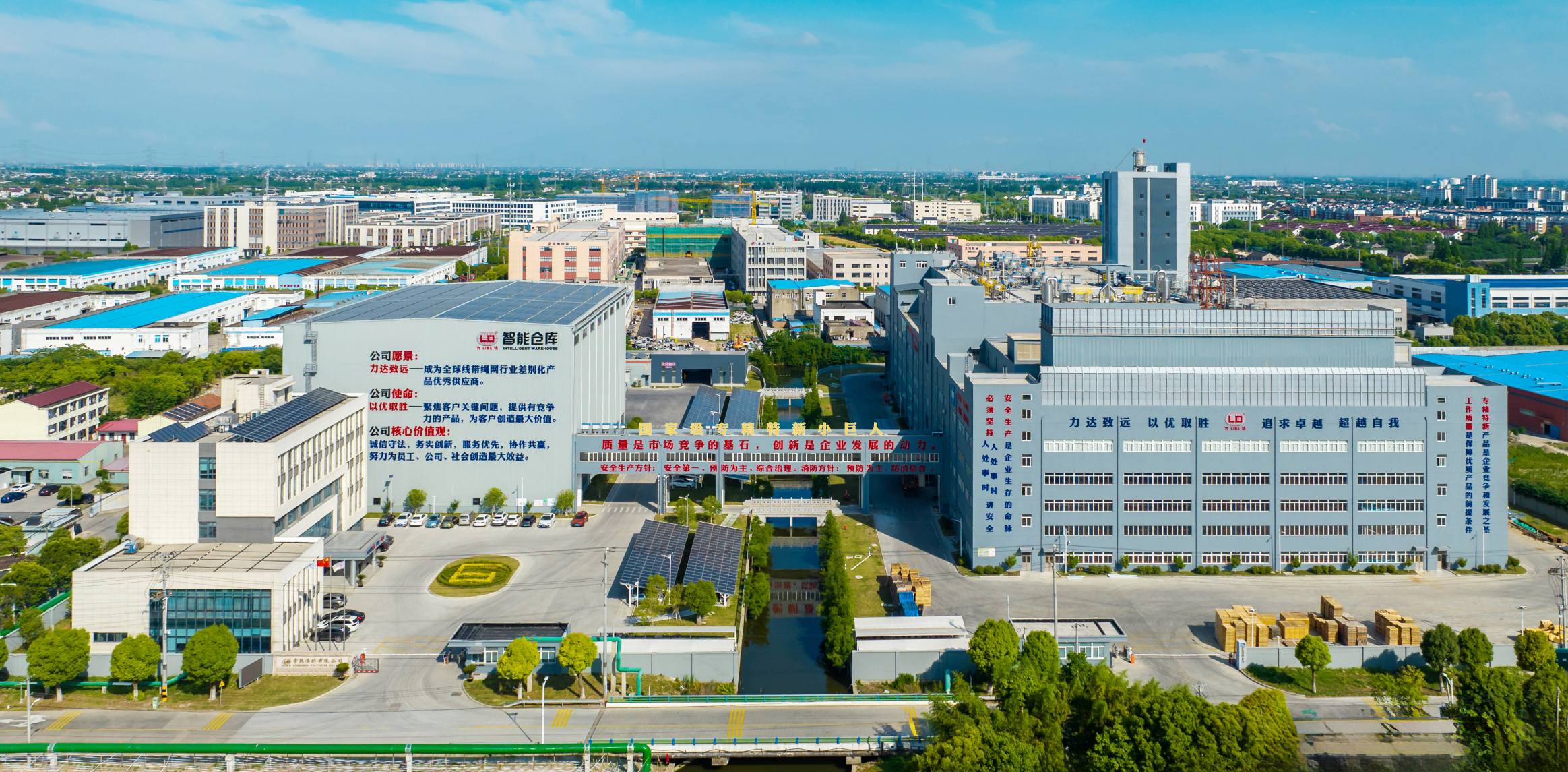

Top High Tenacity Nylon 66 Filament Yarn: Unmatched Strength and Versatility
2026-08-12
When it comes to heavy-duty performance, high tenacity nylon 66 filament yarn stands in a league of its own. From rugged automotive parts to high-end outdoor equipment, its exceptional strength and versatility make it an industry favorite. At Changshu Polyester, we craft nylon 66 yarn that pushes the boundaries of durability and consistency. Ready to see how this powerhouse fiber can elevate your next project? Let's dive in.
What Makes Nylon 66 Filament the Heavyweight Champion of Industrial Yarns
When it comes to industrial yarns that need to endure relentless punishment without flinching, nylon 66 filament doesn't just compete—it dominates. The secret starts at the molecular level, where its adipic acid and hexamethylene diamine building blocks form a tightly packed, hydrogen‑bonded polymer chain. This structure translates into a rare combination of extreme tensile strength and remarkable toughness, outperforming many other synthetic fibers in situations where both static and dynamic loads are the norm. Whether it's hoisting multi‑ton loads or surviving the constant flexing inside a conveyor belt, nylon 66 refuses to yield.
Beyond brute strength, nylon 66 brings a thermal resilience that most competitors can't match. It retains essential properties at temperatures that would cause polyester or polypropylene to soften or creep, making it the go‑to choice for under‑hood automotive textiles, industrial drive belts, and heavy‑duty airbags. Add in its outstanding abrasion and chemical resistance, and you have a fiber that thrives where oils, greases, and harsh cleaning agents are part of daily life. It's this dual identity—both a workhorse and a precision performer—that cements its heavyweight reputation.
Long before sustainability became a buzzword, nylon 66 was already championing durability as a form of resource efficiency. Components made from this filament simply last longer and need less frequent replacement in demanding industrial environments. From retractable safety tethers that catch falls in milliseconds to filter fabrics that shrug off aggressive particulates, the fiber’s ability to absorb energy and recover its shape repeatedly gives engineers a rare margin of safety and reliability. That's not just a strong material; it's a smarter, more economical choice for applications where failure isn't an option.
From Parachutes to Power Suits: A Look at Nylon 66’s Wildest Applications
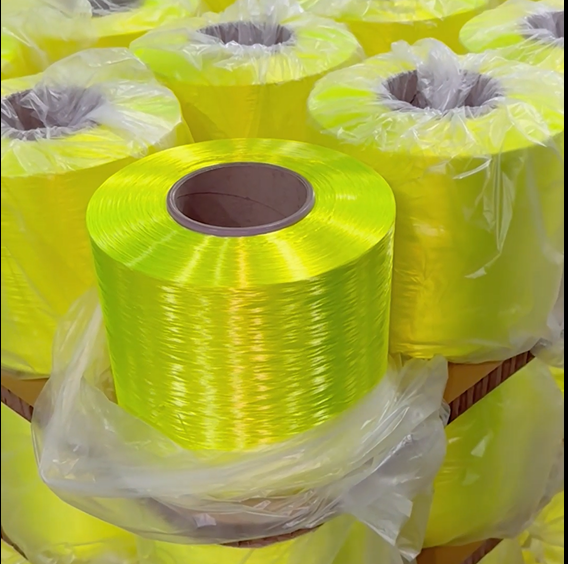
When you think of nylon, stockings might come to mind, but nylon 66 has a far more adventurous resume. Developed in the 1930s, this tough, heat-resistant polyamide first proved its mettle during World War II, where it literally saved lives. It replaced silk in parachutes, offering greater strength and reliability. The material didn’t stop there—it also went into flak jackets, tire cords for bombers, and even the ropes used to tow gliders. The ability to be melt-spun into fibers that were both light and incredibly durable made it an instant war hero.
Once peace returned, nylon 66’s career only got weirder and more wonderful. It found a permanent home under the hood of your car, molded into intake manifolds, radiator caps, and zip ties that could take the heat. But the real head-scratchers are its medical and industrial cameos: surgical sutures that live inside the body, artificial joints that withstand millions of cycles, and the bristles on your toothbrush that started life as a liquid polymer. It even went to space—used in the restraint layers of spacesuits and the parachutes that eased space capsules back to Earth. The stuff is almost annoyingly versatile.
These days, nylon 66 is pushing boundaries in bionic limbs and smart textiles. Researchers are blending it with carbon fiber for prosthetic sockets that flex and endure without cracking, while designers are weaving it into power suits that monitor vital signs or respond to muscle twitches. From the battlefield to the runway, this synthetic marvel keeps reinventing itself—always strong, a little brash, and ready for the next wild application.
The Chemistry Behind Nylon 66: Why It Laughs at Wear and Tear
Nylon 66 owes its legendary durability to a carefully orchestrated molecular structure. The polymer chains are built from two monomers—adipic acid and hexamethylenediamine—each containing six carbon atoms, hence the “66” designation. These chains line up in a highly ordered, crystalline arrangement, thanks to strong hydrogen bonds that form between the amide groups on adjacent chains. This tight packing resists slipping under stress, giving the material a high tensile strength that outperforms many other fibers. It’s not just tough; it’s practically indifferent to repetitive strain, maintaining its shape and integrity where lesser materials would fray or snap.
Beyond the surface, the resilience of nylon 66 is rooted in its thermal and chemical stability. The polymer boasts a melting point around 255°C, far beyond what typical wear-and-tear environments throw at it. Its symmetrical chain structure reduces weak points, so heat, abrasion, and even many solvents fail to break the polymer backbone easily. That’s why you’ll find it thriving in gritty engine components, rugged luggage, and industrial belts—situations where it’s regularly scuffed, pulled, and exposed to oils or greases. The molecular design essentially shrugs off the small insults that accumulate into big failures for other materials.
Interestingly, nylon 66 also handles moisture without falling apart. Its amide linkages can absorb a small amount of water, which actually enhances flexibility rather than weakening it—a subtle but crucial trait for long-term wear. While continuous exposure to UV light or strong acids will eventually degrade it, under normal mechanical stress it behaves almost like a self-repairing system: the hydrogen-bond network redistributes forces so neatly that localized damage rarely propagates. This harmonious blend of crystallinity, hydrogen bonding, and thermal fortitude is why nylon 66 doesn’t just endure wear and tear—it practically scoffs at it.
How Nylon 66 Stays Cool Under Pressure (and Heat)
Nylon 66’s secret lies in its molecular structure—those orderly, hydrogen-bonded chains act like a built-in heat sink. When the polymer is under mechanical stress, the repeating amide linkages absorb and redistribute energy, preventing localized hotspots. It’s not just about resisting melt; the material literally manages its own thermal footprint by dissipating heat as quickly as it forms.
Consider what happens during high-speed machining or frictional contact. Most plastics soften or glaze over, but Nylon 66’s crystalline regions stay locked in place, while the amorphous zones provide just enough give. This dual-phase behavior means friction doesn’t cascade into runaway heating. The surface may warm, but the core stays dimensionally stable—a neat trick that keeps tight-tolerance parts doing their job without a thermal timeout.
Add in its low coefficient of friction and you get a material that naturally reduces the source of heat from the get-go. Nylon 66 parts often need little to no external lubrication, which cuts down on messy greases and the thermal drag they can create at high speeds. So it’s not that the nylon is merely surviving under pressure; it’s actively keeping its cool through a combination of energy-absorbing chemistry, smart morphology, and self-lubricating properties.
Choosing the Right Denier: Tailoring Nylon 66 for the Task at Hand
The strength and flexibility of nylon 66 fabric are directly tied to its denier count, making material selection a critical step in project planning. A lower denier, such as 40 or 70, yields a lightweight and pliable textile suited for linings and delicate gear where bulk is unwelcome. In contrast, opting for a 1000 or 1680 denier fabric creates a robust, abrasion-resistant surface that can handle heavy-duty use in backpacks and industrial covers. Understanding this spectrum allows you to match the fabric’s physical properties exactly to the expected stress and wear.
Everyday carry items often benefit from a middle-ground denier. A 600 denier nylon offers an appealing balance—it resists tears and scuffs without adding unnecessary weight or stiffness. This makes it a favorite for travel bags, tool pouches, and durable apparel. By carefully evaluating how the item will be used and what environmental factors it will face, the ideal balance between durability and user comfort emerges naturally from the denier selection.
Your choice also influences the fabric’s hand feel and how it takes dyes and coatings. Finer deniers absorb color more evenly for a smoother aesthetic, while thicker threads can create a more textured finish with visible yarn character. When the task demands waterproofing or a specific tactile experience, pairing the right denier with the appropriate finish ensures the final product not only performs well but also meets the desired look and feel.
The Future of High-Tech Textiles Starts with This Super-Yarn
A new class of yarn is quietly rewriting the rules of what textiles can do. Unlike traditional threads that simply hold shapes, this super-yarn integrates conductive elements and nanoscale engineering directly into its fibers. The result is a material that is not only incredibly strong and lightweight but also capable of sensing, heating, or even communicating data.
The implications extend far beyond fashionable tech. In medicine, a shirt woven from this yarn could monitor vital signs with clinical accuracy. Aerospace engineers are eyeing it for ultra-lightweight, de-icing wing surfaces, while car designers see interiors that adjust temperature without bulky wiring. Each thread becomes a building block for functionality once reserved for hard electronics.
As production methods mature, this super-yarn promises to dissolve the boundary between fabric and machine. Imagine a jacket that learns your thermal preferences, or a bandage that tells a doctor exactly when a wound is healing—all powered by the very threads they’re made of. The age of passive materials is ending, and it’s starting with yarn that thinks.
FAQ
It starts with the polymer structure: nylon 66 has a tighter hydrogen bond network between chains, giving it a higher melting point, greater stiffness, and superior tensile strength compared to nylon 6. When stretched into a high-tenacity variant, the molecular chains are even more aligned, which dramatically boosts load-bearing capacity and dimensional stability.
You’ll see it in applications that demand extreme durability. For instance, in heavy-duty webbing or automotive airbags, the yarn withstands sudden bursts of force without snapping. Its toughness isn’t just about resisting breakage; it maintains integrity under repeated flexing and abrasion, so products last longer even in harsh environments.
Absolutely. Nylon 66 has an inherently low moisture regain compared to other nylons, which means it retains its tenacity when wet. It also shrugs off oils, fuels, and many solvents. That’s why you’ll find it in industrial hoses, fuel-resistant fabrics, and outdoor gear where materials are routinely soaked or splashed.
The yarn can be engineered in a wide range of deniers and finishes. Downsize it for lightweight, tear-resistant outdoor jackets, or bulk it up for cargo slings and conveyor belts. It takes dyes vividly, so designers get vibrant colors without compromising strength. Plus, it can be twisted, textured, or bonded, opening the door to everything from soft-touch clothing to stiff reinforcement grids.
While nylon 66 resists heat better than many polymers—it can handle temperatures up to 180°C (356°F) briefly—it does benefit from UV stabilizers for outdoor longevity. Quality high-tenacity yarns usually come with anti-aging additives that preserve strength even after years in direct sunlight, making them suitable for permanent outdoor structures like awnings or geotextiles.
Its extended service life means fewer replacements, which reduces material consumption in the long run. Although the upfront cost may be higher than standard alternatives, the durability often leads to lower lifetime costs. And in sectors where failure isn’t an option—like parachute cords or safety nets—the reliability becomes priceless.
Start with the specifications: tenacity (usually expressed in grams per denier), elongation at break, and heat shrinkage. Then consider the supplier’s consistency—batch-to-batch uniformity ensures your end products perform predictably. Certifications for colorfastness and weathering can also be a plus. Don’t overlook technical support: a good vendor will help you match the right yarn type and finish to your manufacturing process, whether it’s weaving, knitting, or braiding.
Conclusion
When it comes to industrial fibers that can truly handle the toughest jobs, Top High Tenacity Nylon 66 Filament Yarn stands in a league of its own. This isn't your average thread—it's a powerhouse engineered to shrug off extreme stress, heat, and friction while maintaining its integrity. The secret lies in its unique molecular structure: tightly packed polymer chains and strong hydrogen bonds give it a backbone that simply refuses to quit. Where other materials fray, stretch, or melt, Nylon 66 holds firm, making it the go-to for everything from parachute cords that must resist violent opening shocks to conveyor belts grinding through thousands of cycles a day. Its ability to stay cool under thermal load isn't magic; it's chemistry, allowing it to perform reliably in environments where temperatures soar. This built-in toughness translates directly into real-world versatility, empowering designers to push boundaries without worrying about material failure.
What really sets this yarn apart is how it adapts to wildly different roles without losing its edge. By tailoring denier—from whisper-thin filaments for lightweight performance gear to thick, rugged strands for heavy-duty webbing—users can dial in the exact balance of strength, flexibility, and weight. That’s why you’ll find Nylon 66 in spacesuits and safety harnesses, in military gear and high-end automotive textiles. It laughs at abrasion in industrial slings and stands up to repeated washing in outdoor equipment, all while resisting the chemical and UV attacks that would degrade lesser synthetics. As technology races ahead, this super-yarn is already paving the way for smarter, more durable textiles that blur the line between fabric and engineering component. For anyone who needs a material that won’t compromise, Nylon 66 filament isn't just an option—it’s the benchmark for unfailing strength and endless possibility.
Contact Us
Contact Person: CONNIE
Email: [email protected]
Tel/WhatsApp: 86-0512-53671634
Website: https://www.lida-yarn.com/