

Toilet Paper Holder Factory Buying Guide for Bulk Orders
2026-09-13
Bulk-buying toilet paper holders should be simple. But between vague factory MOQs, inconsistent electroplating, and packaging that arrives crushed, it rarely is. In this guide, we skip the fluff and focus on what actually separates a reliable supplier from a costly gamble—with real examples from Peak Fasten's experience helping buyers scale without surprises.
Before You Sign: What a Factory Tour (or Video Walkthrough) Actually Tells You
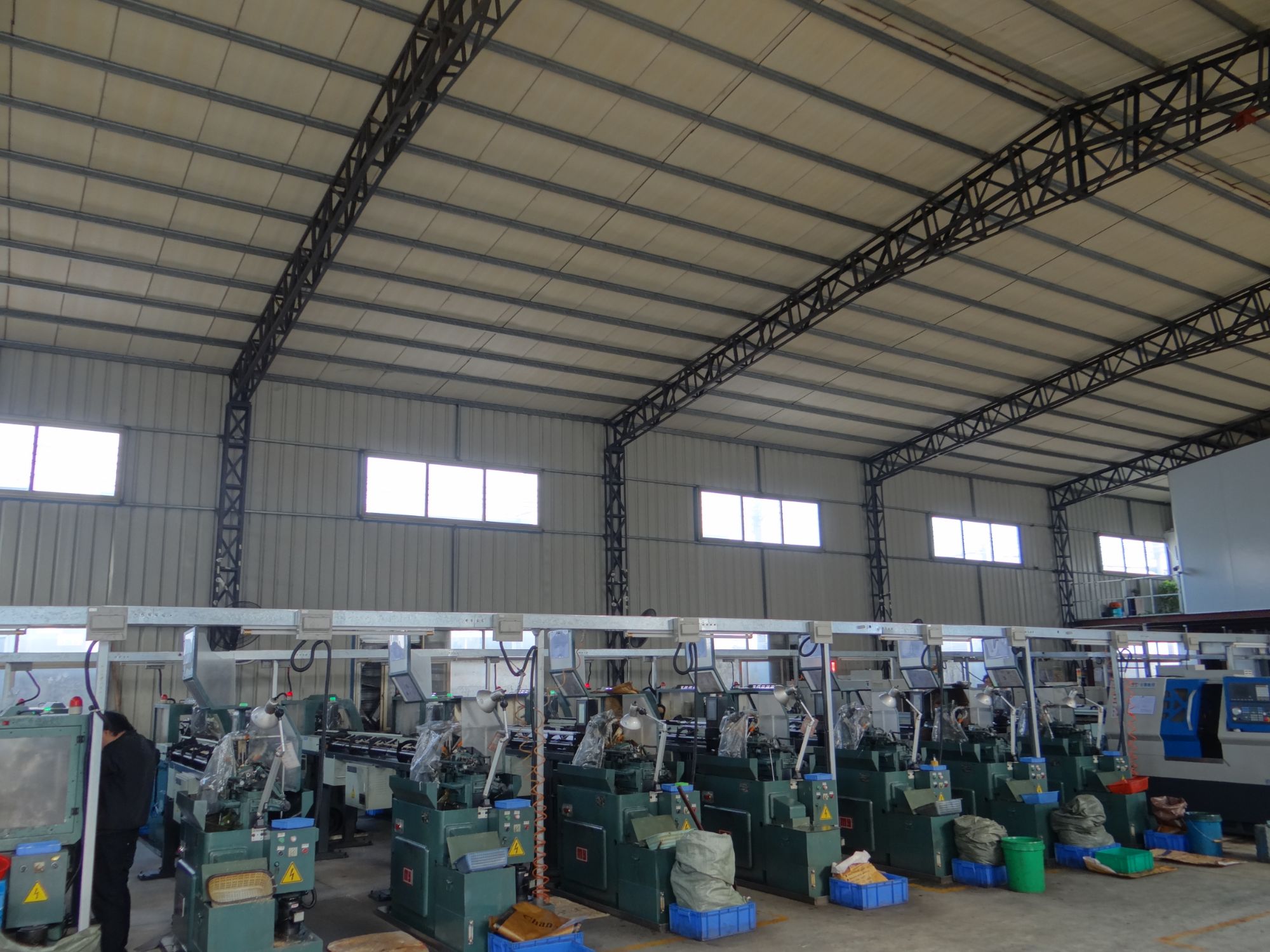
A factory tour, whether in person or via a shaky handheld video, tends to expose the habits no brochure mentions. Watch how raw materials are staged near the line. If cut fabric, metal blanks, or injection-molded parts sit in chaotic stacks without labels, that's a signal about order accuracy and rework rates. The same goes for tooling: look at whether jigs and fixtures are worn, labeled, and returned to shadow boards, or left on the floor. These details rarely lie, because no one thinks to stage them for a quick call.
The pace and posture of the workers tell you whether the schedule is realistic or already slipping. A line that moves steadily with occasional pauses for quality checks usually beats one where people sprint, then idle. Ask to see the rework bench or the rejected goods area, not just the finished pallets. If the guide spends more time apologizing for the camera angle than showing the actual assembly steps, treat that as a missing answer. You're not looking for perfection; you're looking for whether problems are visible, named, and contained before the boxes get sealed.
Material Choices That Won’t Rust, Tarnish, or Flake in a Steamy Bathroom
A steamy bathroom punishes anything prone to corrosion. Skip the hollow chrome and cheap zinc alloys that blister after a few months of showers. Instead, reach for marine-grade stainless steel, solid brass with a living finish, or powder-coated aluminum—materials that have already proven themselves in salt spray and humidity far worse than your morning routine.
Glass and stone don’t care about moisture. A thick tempered glass shelf or a honed marble countertop will outlast every metal fixture in the room. If you want a metallic accent, unlaquered brass ages gracefully, developing a deep patina rather than flaking. The key is avoiding any finish that’s sprayed on as an afterthought—look for solid stock, not a thin veneer.
For wall hooks, towel bars, and shower caddies, check the underside. If it feels light and sounds hollow, it’s likely pot metal waiting to pit. Solid 304 or 316 stainless steel weighs noticeably more and shows no seam lines. And forget about painted finishes that peel at the first sign of steam; anodized or PVD coatings bond at the molecular level, so they won’t bubble or scratch away.
Small Custom Tweaks That Let You Charge Double for the Same Base Unit
Most buyers don't actually want a blank slate. They want a version that feels picked out for them, even if the changes are cosmetic. A different finish, a swapped knob, a pre-loaded preset, or a slightly adjusted default setting can make the same base unit feel like a limited-run variant. Once that perception locks in, the price anchor shifts. You're no longer selling a generic item with a markup; you're selling a curated choice, and people routinely pay twice as much for the version that arrives feeling intentional.
The trick is to keep the tweak small enough that your production cost barely moves. Engraved faceplates, custom color end caps, software that boots to a client's logo, a personalized default profile—these don't require a new assembly line. They add maybe a few dollars in labor or materials, but they let you position the unit as "configured for you." That phrase alone supports a premium because it removes the mental work of adaptation from the buyer.
You can also gate the tweaks behind a separate line item rather than baking them into the base price. Offer the stock unit at one rate, then show a "tailored build" at another. The contrast does the heavy lifting. Customers aren't comparing your base unit to a competitor's identical box; they're comparing your base unit to your tailored option. And the tailored option always looks like the better version of the same thing, even when the functional difference is nearly invisible.
The Quality Tests You Should Ask For—And the Ones Factories Try to Skip
Most buyers know to ask for a basic visual check, but the tests that actually protect your order are usually the ones a factory quietly leaves off the table. For textiles, insist on colorfastness to washing and crocking, shrinkage after three home launderings, seam slippage, and tensile strength on the main fabric. For hard goods, request drop-test results, hinge cycle testing, and chemical safety screening for lead, cadmium, and phthalates. If a supplier says “we do our own QC,” that is not the same as a dated report from an accredited lab.
Factories tend to skip the expensive or time-consuming procedures: fatigue testing on moving parts, UV resistance for outdoor products, and migration tests on prints or coatings. Some will run a quick pull test on buttons or zippers but not the repeated stress test that shows failure after 100 cycles. Ask for a pre-shipment sample from the actual production run, not the golden sample. And request the factory to keep a sealed reference sample you can test independently if there is a dispute.
A reliable protocol is to insert these requirements into the purchase order and tie final payment to passing results. Do not accept a certificate of compliance without an attached lab report. If a factory pushes back on testing, that is often a signal they already suspect the material or process will not pass.
How to Structure Your First Order So You’re Not Stuck with a Container of Defects
Placing a first order with a new supplier feels like a leap of faith, but the way you structure that order can either protect you or leave you staring at a warehouse full of unusable stock. Instead of going all-in on a single production run, break your order into a small initial batch followed by a larger top-up once you’ve verified the quality. This staged approach gives you a real-world sample without committing your entire budget, and it forces the supplier to prove consistency before scaling up.
Write your purchase order as a plain-language spec sheet, not just a product code and quantity. List the exact materials, dimensions, tolerances, and finishing details you expect, then attach reference photos of acceptable and unacceptable examples. When you spell out what “good” looks like, you remove the supplier’s wiggle room for subjective shortcuts. Include a clause that ties the final payment to your inspection results, so there’s a financial reason for them to care about your standards.
Finally, agree on a pre-shipment inspection checkpoint before the goods leave the factory. Ask for a video call during the packing stage, or hire a third-party inspector if the order value justifies it. Catching defects at the source means you can reject the batch or demand corrections while the supplier still has the leverage of an unpaid balance. Once that container is on the water, your negotiating power drops to nearly zero, so structure the order to keep the final decision in your hands until you’ve actually seen what you’re paying for.
Freight, Packaging, and the Hidden Costs That Inflate Your Landed Price
Shipping an order across borders rarely costs what the initial quote suggests. Freight charges alone can swing wildly depending on fuel surcharges, port congestion, or whether your goods travel by air, sea, or rail. Then there is the packaging—not just the box, but the pallets, shrink wrap, and dunnage needed to keep products intact. These materials add weight and volume, which in turn raise the freight bill. Many importers forget that carriers charge by dimensional weight, not just actual weight, so a lightweight but bulky item can cost far more than expected.
Beyond the obvious freight and packaging line items, a stack of quieter fees tends to attach itself to a landed price. Customs brokers charge for entry preparation and bond fees. Ports and terminals add handling charges, chassis rental, and security surcharges. If your shipment is selected for inspection, you may face exam fees, storage while it sits in a warehouse, and even demurrage if the container is not returned on time. Each of these costs arrives on a separate invoice, often weeks after the goods have left the dock, making it easy to understate the true landed cost.
A practical way to avoid surprises is to request an all-in quote from your freight forwarder that lists every anticipated charge from origin to final destination. But even then, leave a buffer for the unknown—fuel price swings, peak season surcharges, or routing changes after a vessel delay. Savvy importers also compare packaging options early in the product design phase, since trimming an inch off a box or switching to a nestable design can reduce both material costs and freight spend. When you treat landed cost as a moving target rather than a fixed number, you are far less likely to see your profit margin hollowed out by fees you never saw coming.
FAQ
Start by asking for production line photos and a recent client list. A decent factory won't hesitate to show both. Check if they specialize in bathroom hardware rather than treating it as a side product, because that focus usually shows up in finish quality and consistency.
Negotiate a trial order first. Many factories quote high MOQs by default, but if you explain you're testing the market, they can often drop to 500 or even 300 units for simple designs. Ask about mixed SKU options too, so you can spread the quantity across several finishes.
Stainless steel 304 is the safe bet for humid bathrooms. Zinc alloy is cheaper but can corrode if the plating is thin. Ask for a cross-section sample or plating thickness report. If they dodge that request, treat it as a red flag.
Yes, and you should. Most factories offer PVD finishes like brushed nickel, matte black, or gold. For branding, ask if they do laser engraving or pad printing on the base. Get a pre-production sample approved before the full run, otherwise color mismatches become expensive to fix.
Don't rely on the factory's word. Hire a third-party inspection for the pre-shipment check, or at minimum ask for a random sample of 10 pieces from the production line. Check the mounting plate, screw threads, and resistance to rust with a salt spray test report if possible.
For 1,000 to 5,000 units of a standard design, expect 25 to 35 days after sample approval. Custom finishes or packaging can push it to 45 days. Always ask about their current production queue, because factories often overpromise when they're busy.
Absolutely. Plain white boxes can hurt your retail presentation. Ask if they can do color boxes with your logo, or at least polybags with a printed sticker. Include a packaging spec sheet in the contract so you don't end up with flimsy boxes that get crushed in transit.
Watch out for tooling fees, especially for new molds or custom logos. Some factories quote low unit prices but charge separately for die casting molds. Also confirm whether the quote includes export cartons, palletizing, and loading supervision. Get an itemized breakdown in writing.
Conclusion
Before you place a bulk order for toilet paper holders, do not let a polished showroom or a short video walkthrough fool you. What you need to confirm is whether the factory actually controls the critical steps: cutting, welding, polishing, and plating. A live tour should reveal how they handle rejects, whether stainless steel is truly 304 grade, and if the finish is uniform in corners where rust always starts. In a steamy bathroom, cheap chrome will blister within months, so push for materials that survive salt spray tests. Even better, small custom changes—like a thicker base plate, a hidden set screw, or a brushed nickel option—can justify a much higher retail price without retooling. Those tweaks are where your margin hides.
On quality, never accept a factory's verbal promise. Ask for written reports on plating thickness, cross-cut adhesion, and 48-hour salt spray. Many factories will try to skip the cross-cut test because it exposes poor surface prep. For your first order, split it into two production lots: one small pilot run to inspect before the main batch ships. This way, you are not stuck with a container of scratched or mismatched units. Finally, recalculate your true landed cost before signing. Freight, palletizing, foam corners, and import duties can add 18–25% to the ex-works price. Get the factory to quote packaging weight and carton dimensions up front, and ask who pays for repacking if the first inspection fails. That one clause can save you from a warehouse full of returns.
Contact Us
Contact Person: Mason Lv
Email: [email protected]
Tel/WhatsApp: +86 13027998452
Website: https://www.peakfastentech.com