

Solar Agriculture Mounting Systems: Innovative Solutions for Modern Chinese Farming
2026-02-03
As China's agricultural sector embraces modernization, a quiet revolution is unfolding in the sun-drenched fields: solar agriculture mounting systems. These innovative solutions are transforming how we think about energy and food production, bringing together sustainability and efficiency in unprecedented ways. At Energet Solar, we're at the forefront of this movement, designing systems that empower farmers to harness the sun's power without compromising valuable land. This blog delves into how these technologies are redefining modern Chinese farming—from boosting crop yields to enhancing energy independence. Get ready to explore the synergy between agriculture and renewable energy, and discover why the future of farming looks brighter than ever.
Harnessing the Sun: Solar-Powered Mounting Systems Revolutionize Chinese Farms
Across the vast agricultural landscapes of China, a silent revolution is underway as traditional farming meets cutting-edge renewable energy. Solar-powered mounting systems are increasingly being installed on agricultural land, turning fields into dual-purpose areas that generate clean electricity while supporting crop cultivation or livestock grazing. This innovative approach not only helps farmers reduce energy costs and create additional income streams by selling surplus power to the grid but also promotes sustainable practices by reducing reliance on fossil fuels and lowering carbon footprints in rural communities.
What sets these systems apart is their adaptability to China's diverse agricultural environments, from the rice paddies in the south to the arid plains in the north. Engineers have developed specialized mounting designs that maximize solar exposure without disrupting farming activities, such as elevated structures that allow sunlight to reach crops below or tracking systems that adjust panel angles throughout the day. This seamless integration ensures that food production remains a priority, addressing concerns about land use competition and making solar energy a practical solution for China's food security and energy transition goals.
Beyond technical innovations, the rise of solar-powered mounting systems is fostering a new culture of energy independence among Chinese farmers. By empowering rural communities to produce their own electricity, these systems reduce vulnerability to power outages and support local economic development through job creation in installation and maintenance. As awareness grows and government incentives align with environmental targets, this trend is poised to transform China's agricultural sector into a model of green innovation, blending ancient farming traditions with modern solar technology for a brighter, more sustainable future.
Innovative Designs for Varied Crops: Tailored Solar Mounting in Modern Agriculture
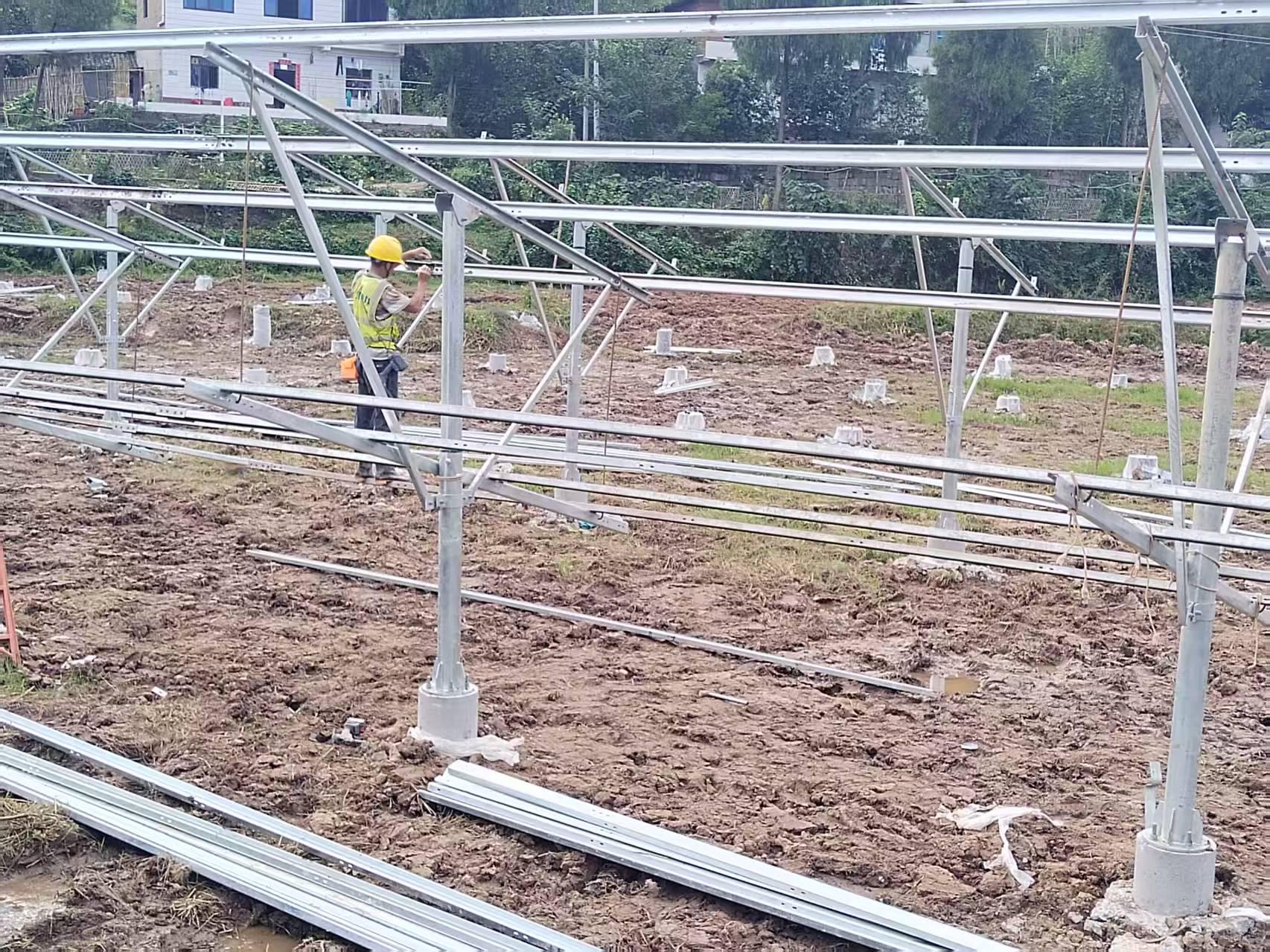
In today's agricultural landscape, combining solar energy with crop cultivation is no longer a one-size-fits-all approach. Instead, innovative designs for solar mounting systems are emerging that cater specifically to different types of crops, from sprawling vineyards to dense row crops like corn or soybeans. These tailored solutions consider factors such as plant height, spacing requirements, and light sensitivity, ensuring that solar panels don't overshadow or hinder growth. For example, elevated or adjustable mounts can be used for tall plants, allowing machinery to pass underneath while optimizing energy capture, creating a dual-purpose land use that boosts both sustainability and yield.
By focusing on crop-specific designs, farmers can integrate solar installations more seamlessly, enhancing efficiency without sacrificing agricultural productivity. This approach goes beyond generic solar farms by incorporating modular and flexible mounting structures that adapt to seasonal changes and varying crop cycles. It's a step toward smarter, more resilient farming practices that prioritize both energy independence and food security.
Durability and Efficiency: How These Systems Sustain Farming Operations Year-Round
Modern farming systems are built to last, with durable components that withstand harsh weather conditions and constant use. Materials like stainless steel and reinforced plastics ensure longevity, reducing the need for frequent replacements. This durability directly supports efficiency by minimizing downtime and maintenance costs, allowing farmers to focus on crop production rather than equipment repairs. For example, in irrigation systems, robust pipes and fittings resist corrosion, ensuring reliable water delivery throughout the seasons.
Efficiency is further enhanced through smart technologies that optimize resource use year-round. Sensors and automated controls adjust water, fertilizer, and energy inputs based on real-time data, preventing waste and boosting yields. This seamless operation reduces labor demands and environmental impact, making farming more sustainable. In regions with variable climates, such systems adapt quickly to changes, ensuring consistent output even during droughts or floods.
Together, durability and efficiency create a resilient framework for continuous farming. By integrating durable hardware with efficient software, these systems provide a stable foundation that supports operations through all seasons. This synergy not only improves profitability but also contributes to food security by enabling reliable production regardless of external challenges.
Integrating Solar Energy with Traditional Practices: A Blend of Old and New in Farming
In many agricultural communities worldwide, the introduction of solar energy is not just a modern upgrade but a seamless fusion with time-honored methods. Farmers are increasingly installing solar panels on barn roofs or in unused fields, harnessing sunlight to power irrigation systems, grain dryers, and livestock facilities. This integration allows them to maintain traditional crop rotations and animal husbandry while reducing reliance on fossil fuels, blending ancient wisdom with cutting-edge technology to create a more resilient and self-sufficient farming model.
Beyond mere energy savings, this blend revitalizes rural economies by cutting operational costs and opening new revenue streams, such as selling excess solar power back to the grid. It also enhances sustainability by minimizing environmental impact, aligning with traditional practices that prioritize land stewardship and long-term resource management. For example, in regions like California's Central Valley, solar arrays coexist with vineyards and orchards, supporting both heritage farming techniques and modern energy needs without disrupting the landscape.
This synergy fosters innovation in farming, where solar-powered sensors monitor soil moisture and weather conditions, aiding in traditional decision-making processes like planting and harvesting. It represents a harmonious balance where age-old agricultural knowledge meets renewable energy solutions, ensuring that farming remains viable and adaptive for future generations while preserving cultural heritage.
Cost-Effective Solutions: Reducing Expenses and Boosting Yields with Solar Mounts
Solar mounts can transform your investment in renewable energy by cutting costs and increasing efficiency. By choosing the right mounting system, you can reduce installation time and labor expenses, as some designs allow for quicker assembly without specialized tools. This upfront saving translates to a faster return on investment, making solar power more accessible for both residential and commercial users. Moreover, durable mounts made from robust materials like aluminum or galvanized steel minimize maintenance needs, preventing costly repairs down the line and ensuring long-term reliability under various weather conditions.
Beyond expense reduction, solar mounts play a crucial role in boosting energy yields. Innovative tracking systems, for instance, adjust panels to follow the sun's path throughout the day, maximizing exposure and generating up to 25% more electricity compared to fixed mounts. Even without tracking, optimizing the tilt and orientation with fixed or adjustable mounts can significantly enhance output, especially in regions with seasonal sunlight variations. This increased yield not only lowers energy bills but also allows for scaling systems to meet growing demand without additional land or resources.
To stand out in the competitive solar market, consider mounts that offer unique features like modularity for easy expansion or integrated monitoring for real-time performance tracking. These solutions can provide a tailored fit for specific project needs, from rooftop installations to large-scale solar farms. By focusing on quality and innovation, solar mounts help achieve sustainability goals while delivering tangible financial benefits, making them a smart choice for anyone looking to harness solar power efficiently and economically.
Environmental Impact and Future Trends: Greener Farming Through Advanced Mounting Technology
Mounting technology, often an overlooked component in farming systems, is emerging as a game-changer in reducing the environmental footprint of agriculture. Instead of focusing solely on high-tech sensors or drones, innovators are rethinking how equipment is attached and integrated into fields. For instance, modular mounting solutions allow farmers to easily swap tools on machinery, minimizing the need for multiple heavy-duty vehicles that guzzle fuel and compact soil. This shift not only cuts down on greenhouse gas emissions but also preserves soil structure, promoting healthier ecosystems right from the ground up.
Looking ahead, the trend is moving toward smart, adaptive mounts that can respond to real-time data, like weather conditions or crop health. Imagine a tractor attachment that adjusts its angle based on soil moisture readings, reducing water runoff and chemical usage. Such advancements could make precision farming more accessible, bridging the gap between large-scale operations and smallholder farms. By integrating these mounts with AI-driven analytics, farmers might achieve a level of efficiency that slashes resource waste, making sustainability less of a luxury and more of a standard practice in diverse agricultural settings.
Beyond immediate benefits, this technology paves the way for circular farming models. Lightweight, durable mounts made from recycled materials can extend equipment lifespans, cutting down on manufacturing waste. As urban farming and vertical agriculture grow, compact mounting systems will enable greener practices in confined spaces, from rooftop gardens to indoor hydroponics. Ultimately, it's not just about mounting gear—it's about building a resilient, eco-friendly infrastructure that adapts to our planet's changing needs, ensuring future harvests are both abundant and kind to the Earth.
FAQ
Solar agriculture mounting systems integrate solar panels with farming land, allowing dual land use to generate clean energy while maintaining crop production, which addresses China's need for sustainable food and energy solutions.
They offer adjustable heights and spacing to accommodate various crops like rice, vegetables, or fruit trees, with designs that consider local soil conditions and climatic factors to minimize impact on farming activities.
Yes, by incorporating solar panels above crops, they can provide partial shade that reduces evaporation, helping conserve water in areas prone to drought, especially in northern and western China.
Challenges include the initial investment costs, ensuring system durability against weather extremes, and coordinating with local farmers to integrate new technologies without disrupting traditional practices.
By generating renewable electricity on farmland, they reduce reliance on fossil fuels, lower greenhouse gas emissions, and support the transition to clean energy, aligning with national environmental targets.
Yes, projects in provinces like Shandong and Gansu have shown success, where solar panels are installed over crops like corn or tea, increasing farm income and energy output with minimal land use conflict.
Advances include smart tracking systems that optimize panel angles for sun exposure, lightweight materials for easier installation, and IoT sensors for monitoring crop health and energy production in real-time.
They provide additional revenue through energy sales, reduce electricity costs for farm operations, and create jobs in installation and maintenance, boosting economic resilience in rural areas.
Conclusion
Solar agriculture mounting systems are revolutionizing modern Chinese farming by harnessing solar energy to power farms, blending innovative technology with traditional practices. These tailored designs accommodate varied crops, ensuring durability and efficiency for year-round operations. By integrating solar mounts, farmers reduce expenses while boosting yields through cost-effective solutions that support sustainable agriculture.
This advanced technology promotes greener farming by minimizing environmental impact and aligning with future trends in renewable energy. The seamless combination of old and new methods enhances farm productivity, making solar mounting systems a pivotal innovation in China's agricultural sector for long-term sustainability and growth.
Contact Us
Contact Person: Simon
Email: [email protected]
Tel/WhatsApp: 8613672181100
Website: https://energetsolar.com/