

Professional Flame Retardant Fabric: Enhancing Safety Without Compromising Comfort
2026-06-27
Safety and comfort rarely go hand in hand—especially in environments where fire hazards are a daily reality. But what if you didn’t have to choose? Professional flame retardant fabrics are rewriting the rules, offering reliable protection without the stiff, heavy feel of traditional materials. At the forefront of this innovation is DROTEX, a brand that proves you can have both peace of mind and all-day wearability. In this post, we’ll explore how advanced fabric technology is changing safety standards—and why it matters more than ever.
Flame Resistance Decoded: How Modern Fabrics Protect Without Bulk
The secret behind today’s flame-resistant fabrics isn’t a thick, stifling barrier—it’s chemistry woven directly into the fiber. Unlike older treatments that simply added a coating, modern materials like modacrylics and aramids have flame resistance built into their molecular structure. When exposed to heat, these fibers don’t melt or drip; instead, they undergo a charring reaction that forms an insulating layer, starving the flame of fuel while actively cooling the fabric’s surface. This means the protection is intrinsic, not just a thick shield, allowing garments to stay lightweight and breathable without compromising safety.
What’s often overlooked is how these fabrics work in real-world flashes. Traditional bulky gear relied on mass to absorb heat, but today’s blends use a principle called “intumescence,” where fibers swell slightly under heat to create a micro-barrier of trapped gases. Simultaneously, fire-resistant viscose releases non-combustible vapors that dilute oxygen around the fabric. The result is a dynamic defense that activates exactly when needed, leaving the wearer with flexible, everyday comfort that doesn’t scream “protective gear” until the moment it counts.
Perhaps the most striking innovation is how fabric engineers have merged protection with aesthetics. You can now find slim-cut work trousers or soft hoodies made from inherently flame-resistant blends that move and drape like premium streetwear. By extruding fire-retardant additives into the polymer before the fiber is even spun, manufacturers eliminate the scratchy, stiff after-feel of older treated fabrics. The protection is invisible, permanent, and won’t wash out—making the bulk-heavy fire suit a relic of the past.
From Industrial Hazards to Home Safety: Versatile FR Solutions
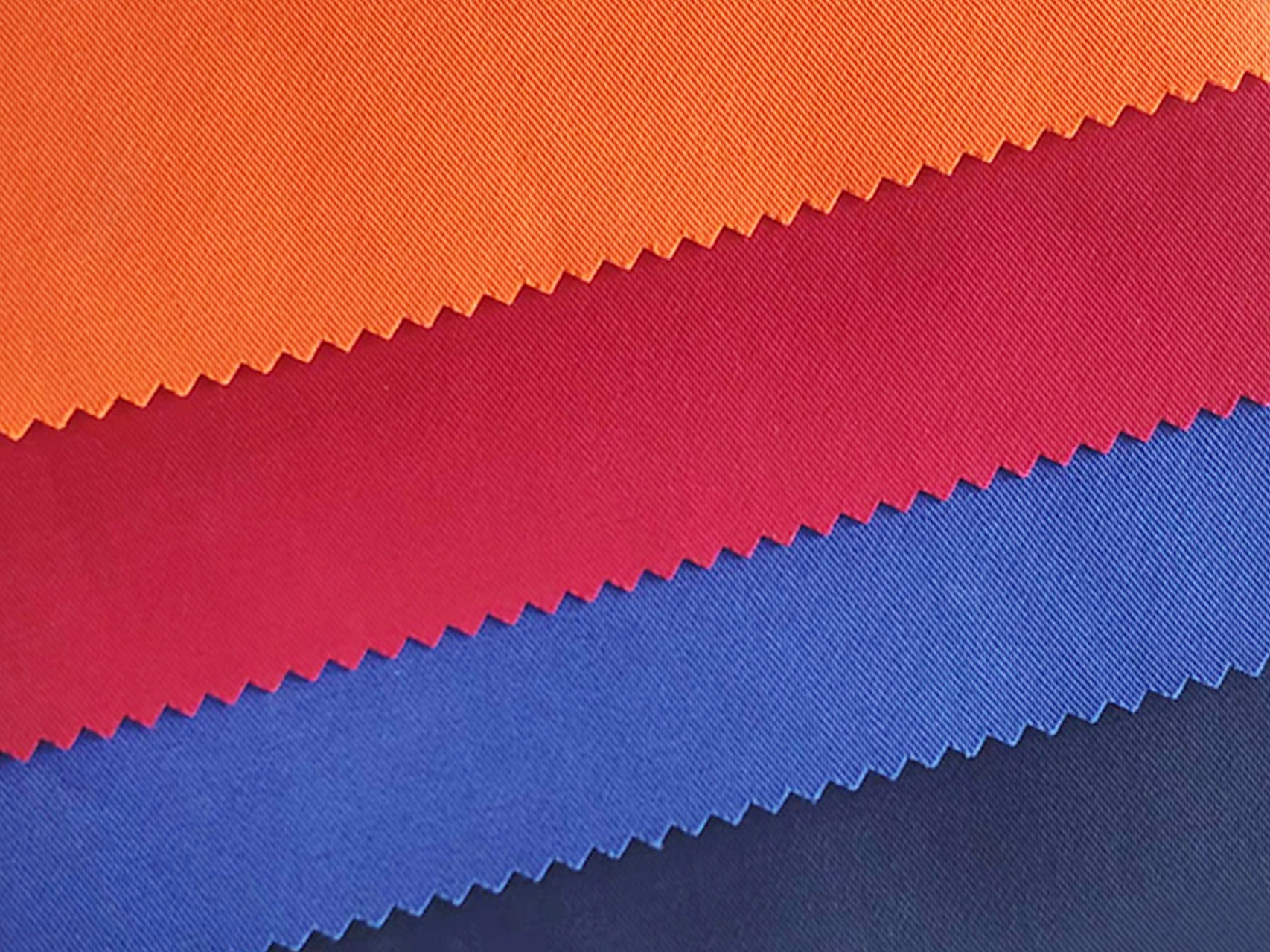
Fire resistance isn't just a factory-floor concern—it's woven into the fabrics of our daily lives. The same flame-retardant (FR) technologies that protect workers from arc flashes and molten metal splashes are now quietly guarding families against common household risks like cooking flare-ups, faulty wiring, and candle mishaps. By adapting industrial-grade solutions for residential settings, manufacturers have created a seamless bridge between heavy-duty safety and everyday comfort. From inherently FR fibers that don't wash out to advanced chemical treatments that turn ordinary textiles into fire barriers, these innovations mean that the hoodie you wear on a chilly evening might share lineage with a welder's jacket.
What makes these solutions truly versatile is their ability to shed the stiff, heavy image of traditional protective gear. Modern FR fabrics can be as soft and breathable as cotton, with moisture-wicking properties ideal for both a construction site and a living room sofa. Designers are embedding fire resistance into upholstery, curtains, and even children's sleepwear without compromising aesthetics or feel. This blend of performance and comfort is dissolving the boundary between occupational safety and home life, allowing families to incorporate protection subtly into their living spaces.
Looking forward, the cross-pollination between industrial and consumer FR applications is only accelerating. Recycled and sustainable FR materials are now entering both markets, proving that safety doesn't have to cost the earth. Smart textiles with integrated sensors can detect heat spikes and trigger automatic cooling, a technology born in factories that may soon find its way into smart homes. Ultimately, the journey from hazard-heavy environments to our backyards illustrates a simple truth: good safety design is universal. By borrowing from the toughest workplaces, we create everyday products that shield what matters most—without making it obvious.
The Breathability Factor: Why Comfort Matters in Protective Gear
Most people don’t think about airflow when they pick up a set of protective gear—it’s usually all about impact ratings or abrasion resistance. But once you’re actually wearing it for hours, breathability stops being a spec and starts being the difference between staying focused and fighting off fatigue. Sweat-soaked padding and stuck-on sleeves don’t just feel miserable; they can slow your reaction time and make the gear feel heavier than it actually is.
When your body can’t release heat and moisture effectively, core temperature climbs and mental sharpness drops. This becomes a real problem in roles that demand constant motion or rapid decisions. Protective equipment that traps heat forces you to take more breaks, drink more water, or even loosen straps just to get a bit of relief—exactly the kind of compromise that defeats the purpose of wearing it.
Advancements in textile engineering have finally put this old trade-off to rest. Modern designs now integrate perforated foams, moisture-wicking liners, and spacer fabrics to create active ventilation without cutting corners on safety ratings. The result is gear that moves with you, regulates temperature naturally, and keeps skin dry through the worst of conditions. Comfort, it turns out, isn’t a luxury add-on—it’s one of the most practical features you can invest in.
Certified Protection That Doesn't Stiffen: A Look at Modern Textiles
Modern protective textiles have evolved far beyond the rigid, bulky materials of the past. Today’s fabrics integrate certified safety features—such as cut resistance, flame retardancy, or electrical arc protection—directly into flexible weaves that move with the wearer. This is achieved through advanced fiber blends and engineered knits that maintain softness and drape while meeting stringent industry standards.
The key lies in material science: high-performance yarns like para-aramid, ultra-high-molecular-weight polyethylene, and modacrylics are spun with comfort-focused fibers such as cotton, viscose, or elastane. The result is a textile that feels like everyday clothing but performs under extreme conditions. Certifications from bodies like NFPA, EN, or ASTM ensure the protection is real, yet the fabric remains breathable and pliable.
Industries from construction to firefighting now demand gear that doesn't sacrifice mobility for safety. Designers are responding with garments that look and feel normal, erasing the old trade-off between comfort and compliance. The shift isn't just about aesthetics—it's about practicality, ensuring that workers actually wear the protection they need, all day long.
Smart Textiles: The Convergence of Safety and Sensory Comfort
For decades, protective apparel forced a compromise: the bulkier and more rigid the material, the safer the wearer. Kevlar vests stopped bullets but trapped heat, and chemical-resistant suits shielded hazmat workers while turning every movement into a chore. Smart textiles now dismantle that trade-off by weaving protection and comfort into a single fabric. Using advanced polymers, shear-thickening fluids, and hybrid yarns, these materials remain supple against the skin yet instantly stiffen upon impact, offering invisible armor that moves with the body instead of against it.
The sensory experience is equally vital. Breathable climate-adaptive fabrics embedded with phase-change microcapsules wick moisture and regulate temperature without adding weight. Conductive fibers, so fine they mimic the hand of silk, sense heart rate and muscle strain while maintaining the drape of everyday clothing. A firefighter’s jacket no longer needs to feel like a sauna; it can actively cool the wearer while blocking flames. This seamless fusion redefines what protective wear feels like—not as a shield you endure, but as a second skin you trust.
Wash, Wear, Repeat: Maintaining Protective Qualities Long-Term
Keeping protective gear effective isn’t a set-it-and-forget-it deal—it’s in the rinse, the spin, the hang-dry. Every wash cycle chips away at whatever magic was woven or coated into the fabric. But rather than treating it like delicate lace, think of it as a predictable rhythm: most protective layers fade not from overuse, but from lazy laundry habits like harsh detergents or high heat. Spot-clean mud before it grinds into fibers, turn pieces inside out to save the outer shield, and choose liquid over powder detergents to avoid abrasive grit lingering in the weave.
Beyond the drum, something as trivial as how you put it on matters. Snagging a sleeve with a fingernail or stretching a neckline in haste creates micro-tears that water, UV, or chemicals exploit later. Over time, you’ll notice the quiet signals—water sits differently on the surface, colors shift slightly, or that crisp repellency softens. That’s not failure; it’s a cue to re-treat with a wash-in additive rather than tossing it. The real trick is treating each wear as a tiny investment in longevity, not just a countdown to the next wash.
FAQ
It’s all in the engineering—special fibers and weaves are used to block heat and flames while still allowing breathability and softness, so it never feels stiff or stuffy.
Absolutely. Modern treatments integrate seamlessly into the textile, maintaining color, drape, and texture, so you get reliable protection in a garment that looks and feels just like regular clothing.
The protection is built into the fiber structure itself, not just a surface coating. That means even after repeated industrial laundering, the flame retardancy remains intact and effective.
Yes. These fabrics are often engineered with moisture-wicking and hypoallergenic properties, reducing irritation and keeping you cool, which is essential in high-heat work settings.
Oil and gas, electrical utilities, welding, and firefighting are top adopters, but any environment with flash fire or arc flash risks can see improved safety compliance when comfort is prioritized.
Definitely—when workers aren’t overheated or restricted by their gear, they’re more likely to wear it correctly and consistently, which directly reduces injury risks.
Conclusion
Modern flame retardant fabrics have shattered the old trade-off between safety and wearability. Unlike the stiff, heavy layers of the past, today's materials achieve flame resistance through inherent fiber properties or advanced chemical treatments that don't add bulk. This means workers in high-risk environments—from oil rigs to electrical utilities—move freely, with protection woven into every thread rather than piled on top. The science hinges on interrupting combustion at the molecular level: fabrics char and self-extinguish almost instantly, blocking heat transfer without relying on thickness. This breakthrough in material design ensures that protective gear feels less like armor and more like a second skin, encouraging consistent use because it simply feels better to wear.
The evolution goes far beyond basic fire blocking. These textiles now cater to diverse sectors, offering certified defense against arc flashes, molten metal splashes, and chemical exposures while actively managing moisture. Breathability is no longer an afterthought—strategic fiber blending and knit structures allow heat and sweat to escape, keeping the wearer cool under literal and figurative pressure. Companies are integrating smart features like phase-change materials for temperature regulation and stretch for unparalleled ease of motion. Crucially, performance endures: industrial laundering doesn't strip away the protective finish, and garments maintain their integrity wash after wash. This convergence of safety, sensory comfort, and long-term durability marks a new era where professionals don't have to choose between staying safe and being comfortable.
Contact Us
Contact Person: Sandy
Email: [email protected]
Tel/WhatsApp: 86150 8310 5120
Website: https://www.frdrotex.com