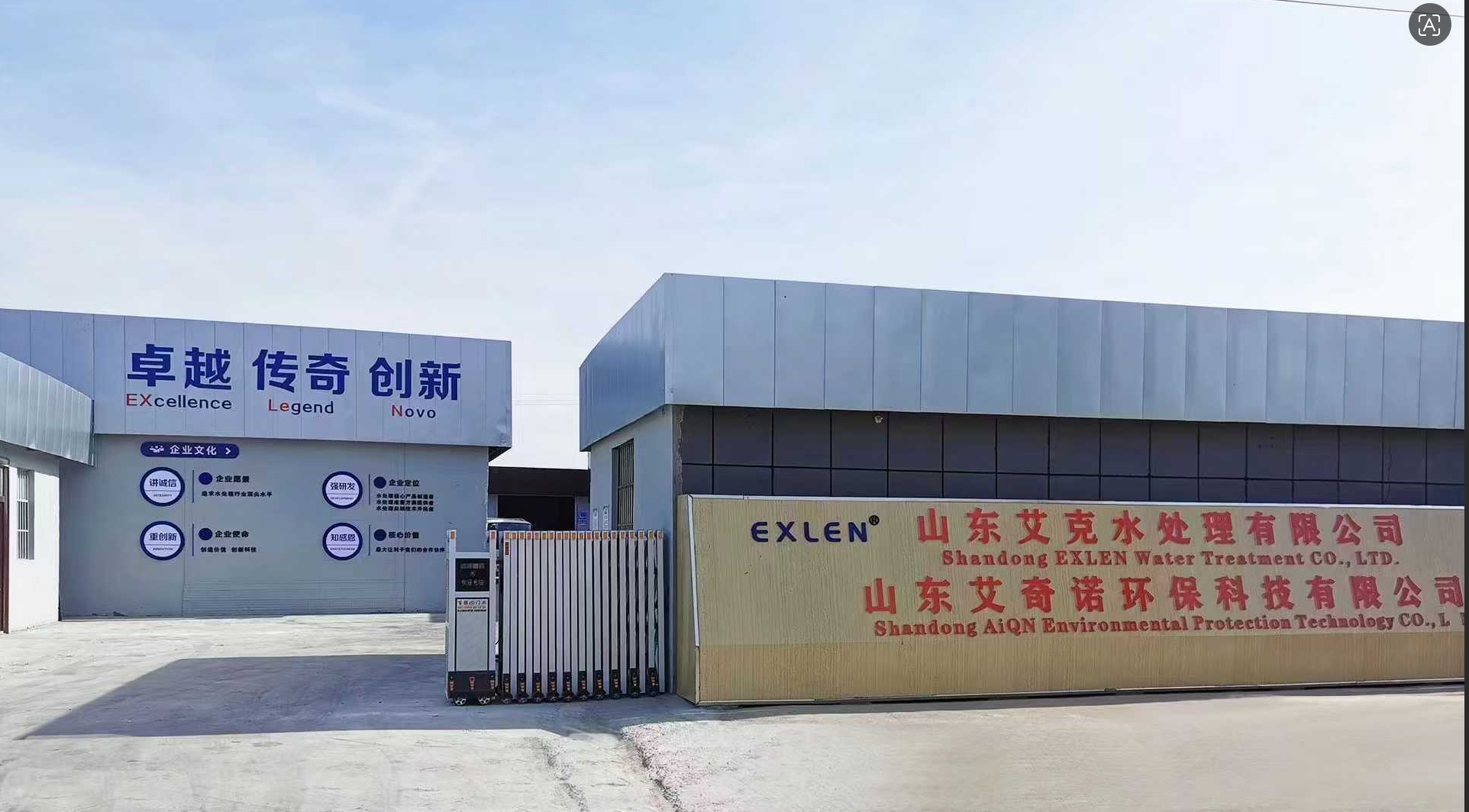

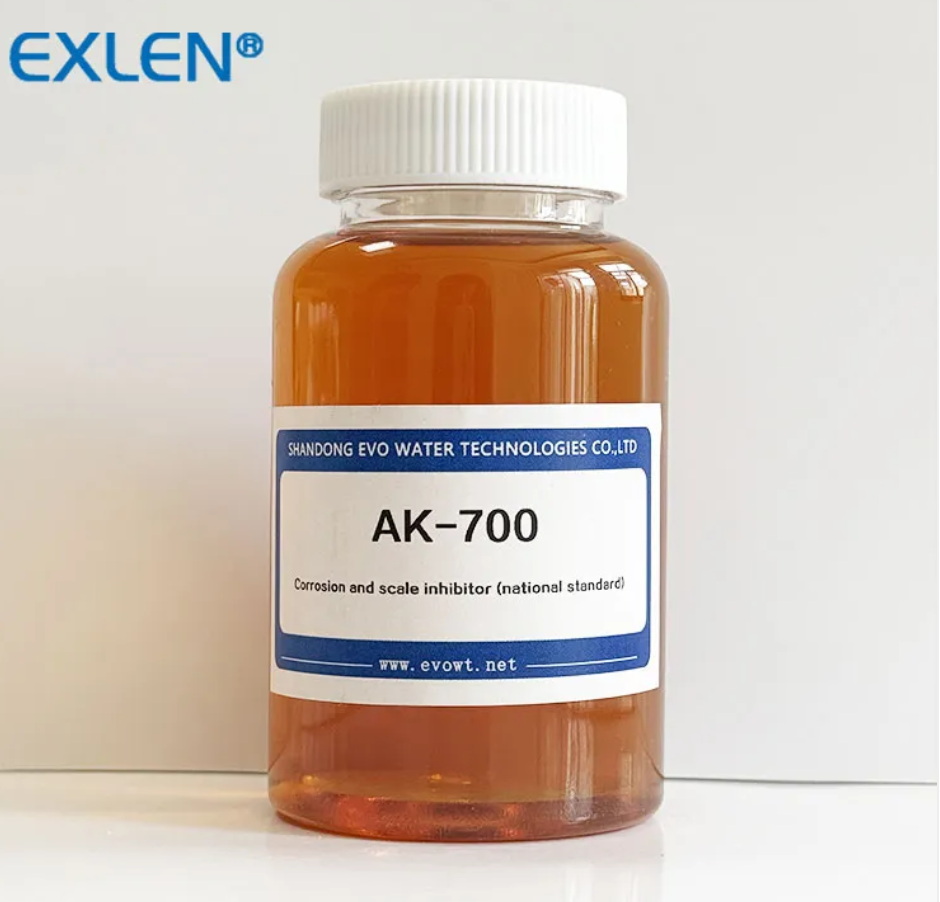
Professional Corrosion and Scale Inhibitor: Safeguard Your Systems with Advanced Protection
2026-07-08
Corrosion and scale are silent threats that can wreak havoc on industrial systems, leading to costly downtime and repairs. But what if you could stay ahead of the damage with a solution engineered for relentless protection? Enter EVO's advanced corrosion and scale inhibitors—formulated to defend your equipment while optimizing performance. In this blog, we peel back the layers on how these chemical guardians work and why they’re indispensable for your operations.
Why Corrosion and Scale Are Silent System Killers
Corrosion and scale rarely announce their arrival with dramatic leaks or sudden breakdowns. They creep into piping and heat exchangers unnoticed, slowly thickening where water flows. Over months, a patina of rust or a crusty layer of mineral buildup quietly compromises the metal. Pumps begin to work harder, valves stiffen, and heat transfer drops—but none of these signals are obvious until something fails. By then, the damage runs deep, often hidden beneath insulation or deep inside equipment, making inspections and repairs both costly and disruptive.
Scale acts as an insulator inside a system, a deceptive blanket that forces machinery to overheat just to maintain normal operation. Even a millimeter of hard deposit can slash thermal efficiency, raising energy consumption and accelerating wear on seals and bearings. Corrosion, in contrast, is a patient thief. It thins pipe walls from the inside out, undermining structural integrity without a visible sign until a joint gives way or a pinhole leak appears. Often, the two enemies conspire: scale creates crevices where corrosive microbes or chemicals concentrate, accelerating localized attack.
Maintenance teams frequently chase symptoms—boosting pressure, swapping out parts—without realizing the core issue is slowly choking their system. The real danger lies in how corrosion and scale displace attention from prevention to reactive firefighting. Once a system is scaled or pitted, the cycle is hard to break; chemical cleaning can cause further damage, and mechanical removal is invasive. True defense comes from designing out such vulnerabilities early: maintaining proper water chemistry, selecting compatible alloys, and scheduling cleanings before the layers take hold. Without this discipline, systems die silently, long before their expected lifespan.
How Advanced Inhibitors Outperform Traditional Treatments
Modern precision inhibitors represent a fundamental shift from conventional therapies by targeting disease-driving mechanisms at the molecular level. Unlike traditional treatments that often harm healthy cells alongside diseased ones, these advanced agents are designed to recognize specific molecular alterations. This selectivity drastically reduces collateral damage, leading to fewer and less severe side effects. Moreover, their tailored action means that treatment responses can be more predictable, allowing clinicians to adapt strategies based on robust biomarkers rather than relying on a one-size-fits-all approach.
Another key advantage lies in their ability to overcome therapeutic resistance. Traditional treatments frequently lose effectiveness as diseases mutate, but next-generation inhibitors are engineered to tackle multiple resistance pathways simultaneously. Some are crafted with flexible binding sites that preserve activity even when target structures change, while others exploit unique disease vulnerabilities that remain consistent. This adaptability translates into longer-lasting control and reduced likelihood of disease progression, offering sustained clinical benefit that older drugs simply cannot match.
Furthermore, advanced inhibitors unlock the door to truly personalized medicine. By integrating detailed diagnostic profiling, these treatments can be matched to patients based on the specific molecular signatures of their condition. This not only improves outcomes but also avoids futile therapies, sparing individuals from unnecessary toxicity. The ability to precisely hit disease drivers while leaving normal physiology intact marks a profound leap forward, shifting the focus from blunt-force intervention to intelligent, patient-centric care.
Targeted Protection for Diverse Industrial Environments
Industrial settings are far from uniform—each facility brings a distinct mix of hazards, from volatile chemicals and heavy machinery to fine dust and temperature extremes. Off-the-shelf safety systems simply can't account for these nuances. Effective protection demands solutions that are tailored to the specific operational rhythm, layout, and risk profile of each site, ensuring that no critical vulnerability goes unaddressed.
By conducting granular risk assessments and collaborating directly with on-the-ground teams, protection strategies can be woven into the fabric of daily workflows rather than bolted on as an afterthought. This might involve customizing equipment enclosures, adjusting airflow designs, or engineering isolation mechanisms that work with—not against—existing processes. It's about turning each challenge into a precisely crafted response.
The goal isn't just compliance, but genuine resilience. When protective measures reflect the real-world conditions of a plant or worksite, they earn the trust of the people who rely on them every day. That trust translates into faster adoption, fewer incidents, and the flexibility to evolve as production demands shift, keeping both people and operations safeguarded for the long haul.
Inside the Chemistry: How Our Formula Halts Damage
The secret lies in a sophisticated blend of advanced polymers and reactive compounds that form a dynamic shield on surfaces. Unlike conventional approaches that merely sit on top, our formula penetrates microscopic imperfections, creating covalent bonds at the molecular level. This integration neutralizes corrosive agents before they can initiate the typical cycle of deterioration, essentially interrupting the damage pathway at its very origin.
At the core is a engineered cascade reaction that remains dormant until triggered by the presence of harmful elements such as moisture or UV radiation. Once activated, it releases nano-structured stabilizers that not only halt ongoing degradation but also actively reconstruct damaged molecular networks. Picture a self-repairing net that constantly reinforces itself wherever stress arises—this is the mechanism that sets our solution apart from traditional protective films.
What truly distinguishes our approach is the synergy between the components. Each ingredient is tuned to a specific onslaught, yet they work in concert to provide a comprehensive defence. The result is a durable, long-lasting barrier that evolves with environmental challenges, ensuring surfaces remain intact and resilient without the need for frequent reapplication or heavy maintenance.
Real-World Gains: Extended Lifespan and Lower Costs
The most tangible benefit of modern engineering and material science is right in front of us: products that simply last longer. This isn't just about bragging rights—it's about components and systems that withstand daily abuse, harsh environments, and constant cycling without giving up. When a machine or structure outlasts expectations by years, every plan to replace it gets pushed further into the future. Suddenly, the total cost of ownership drops because the investment is spread over a much longer service life, not because someone cut corners up front.
Lower costs show up in ways that are often overlooked. Maintenance crews aren't scrambling to patch a failing part every quarter, which means labor hours and replacement supplies shrink. Unplanned downtime, the silent killer of budgets, becomes a rare headache instead of a regular punch. Even energy consumption can trend downward as newer, more efficient components simply outlive their predecessors. All these small savings compound into a margin that competitors can't touch, without marketing gimmicks or empty promises.
Where this really hits home is in sectors where failure isn't an option. Infrastructure projects, heavy equipment, energy systems—these aren't places where redo's are cheap or easy. An extended lifespan means bridges stay open, turbines keep spinning, and conveyors don't stall. The cost avoidance here is enormous: you're not just saving the price of a new unit, you're dodging the logistical nightmare of a catastrophic failure, the regulatory fines, and the reputational damage that follows. That's a real-world gain that shows up on the balance sheet and in the peace of mind of every stakeholder.
Simple Steps to Integrate and Maintain Peak Performance
Getting things running smoothly isn’t about grand overhauls—it’s about weaving small, smart moves into your routine. Start by auditing what you already have. List every tool, process, and habit, then ask: does this pull its weight or just create noise? Strip away the dead weight, and you’ll feel an immediate lift. From there, pick one area where a tiny tweak could remove friction—maybe automating a repetitive task, or setting a five-minute daily review. When you stack these micro-adjustments, the compound effect surprises you.
The real trick, though, is keeping that edge from going dull. Most people sprint out of the gate and then coast. Instead, treat maintenance as a rhythm, not a chore. Set a weekly checkpoint—same time, same place—to scan for bottlenecks or signs of drift. Ask yourself what felt heavy and what flew. Then tweak, don’t transform. If something’s working, protect it fiercely. If something’s slipping, catch it before it cascades. This pulse-check habit makes consistency feel effortless rather than forced.
Finally, build in a feedback loop that doesn’t rely on willpower. Pair new behaviors with triggers you already have—like checking your dashboard while your coffee brews, or walking through a quick mental checklist right after you shut your laptop. When integration mirrors your natural flow, you stop fighting inertia. And when you slip—you will—skip the guilt and simply nudge back on track. Over time, these simple steps become invisible scaffolding, holding performance steady without you even noticing the effort.
FAQ
It's a specialized chemical formulation designed to prevent two common problems in water-based systems: metal corrosion and mineral scale buildup. By creating a protective film on metal surfaces and dispersing scale-forming particles, it keeps equipment running efficiently.
Unlike simple inhibitors that only address one issue, this advanced formula employs multiple mechanisms—film-forming agents, crystal modifiers, and pH stabilizers—to tackle both corrosion and scaling simultaneously, even in harsh conditions.
Cooling towers, boilers, heat exchangers, and closed-loop HVAC systems see the greatest improvements. Any industrial or commercial system circulating water is susceptible to damage from scale and rust, but these critical systems face the highest risk.
Yes, it's formulated with safety in mind. The product typically contains low-toxicity ingredients and is biodegradable, but always consult the safety data sheet for specific handling instructions. Responsible use means following dosage guidelines to minimize environmental impact.
Dosing frequency depends on system volume, water quality, and evaporation rates. Most operations require continuous injection proportional to makeup water flow. Regular water testing helps fine-tune the feed rate to maintain optimal protection.
While its primary function is prevention, certain components can gradually loosen and disperse light existing deposits. For heavy scale, mechanical cleaning or an acid-based descaling procedure is recommended before starting the inhibitor treatment.
It's compatible with commonly used metals like carbon steel, copper, and stainless steel. However, for systems with unusual alloys or galvanized pipes, a compatibility check is advised to avoid potential interactions.
Conclusion
Corrosion and scale don’t announce themselves with alarms or error messages—they creep in, slowly choking pipes, reducing heat transfer, and pushing equipment toward premature failure. What starts as a nearly invisible film or a few rust spots can spiral into leaks, blockages, and costly downtime. In many industrial systems, these silent killers thrive unnoticed until performance drops sharply and energy bills climb. A professional corrosion and scale inhibitor breaks this cycle by forming a protective barrier on metal surfaces while keeping dissolved minerals dispersed and harmless. Unlike basic treatments that only address one side of the problem, modern advanced formulations target both corrosion and scale simultaneously, disrupting the electrochemical reactions that cause rust and modifying crystal growth so scale can’t adhere. This dual-action defense is designed to work across a wide range of water chemistries and operating conditions, making it suitable for boilers, cooling towers, closed loops, and process water systems alike. By intervening at the molecular level, the inhibitor essentially starves the destructive processes before they gain a foothold.
The real advantage becomes clear when looking at long-term asset health and operational budgets. Traditional chemical programs often require frequent testing, manual adjustments, and still leave gaps that allow localized attack. In contrast, a well-engineered inhibitor package delivers consistent protection with minimal oversight. The tailored chemistry includes dispersants to keep silt and debris in suspension, corrosion inhibitors that passivate metal surfaces, and scale control agents that distort crystal lattice formation. This synergy not only extends the lifespan of exchangers, piping, and condensers but also maintains peak heat exchange efficiency—meaning fuel or electricity costs stay low over time. Integration is straightforward: a thorough system audit, selection of a compatible formulation, and simple ongoing monitoring are usually all it takes. Facilities that make the switch typically see fewer cleanings, less unplanned maintenance, and a measurable drop in total operating expenditure. In a world where reliability directly impacts the bottom line, the shift from reactive repairs to proactive chemical protection is one of the smartest moves an operation can make.
Contact Us
Contact Person: Fiona Su
Email: [email protected]
Tel/WhatsApp: 8619963724144
Website: https://www.evo-chemical.com/