

Professional Cat Litter Making Machine: Your Guide to Reliable Production
2026-07-31
When it comes to producing high-quality cat litter, having the right equipment can make all the difference. A professional cat litter making machine is the backbone of a smooth and profitable operation—but with so many options on the market, finding one that truly delivers consistency and durability isn’t always easy. That’s where a trusted partner comes in. As a leader in the field, MINGDE brings decades of engineering expertise to every machine, ensuring your production line runs reliably from day one. Whether you’re scaling up or starting fresh, this guide will walk you through what really matters when choosing a system you can count on.
Settling for Second-Best Isn't an Option
Compromise often wears the mask of practicality. It whispers that good enough will suffice, that the extra effort isn't worth the marginal gain. But in a landscape where standout performance separates the memorable from the forgettable, accepting second-best is a quiet surrender. It chips away at ambition, one rationalized shortcut at a time. The cost isn't felt immediately—it accumulates in missed opportunities and the dull ache of unrealized potential.
Recognizing when you're slipping into the comfort zone of adequacy requires brutal honesty. It's asking whether the solution you've settled on would thrill a discerning critic or merely avoid complaint. Look for the subtle compromises: the feature left unpolished, the idea watered down for consensus, the standard relaxed because the deadline loomed. True excellence demands that you dismantle these justifications and insist on work that sparks pride, not just relief.
The refusal to settle doesn't guarantee a flawless outcome every time—it guarantees that you've honored your vision. It pushes you to iterate when others stop, to reimagine boundaries when they seem fixed. Over time, this stubbornness becomes a force multiplier. Your work accrues a reputation, your decisions gain clarity, and you stop chasing validation because the benchmark you've set is internal. Second-best is a choice disguised as a constraint. Refuse it, and you reclaim the agency to build something genuinely exceptional.
From Dust to Clumps: Understanding the Tech Inside
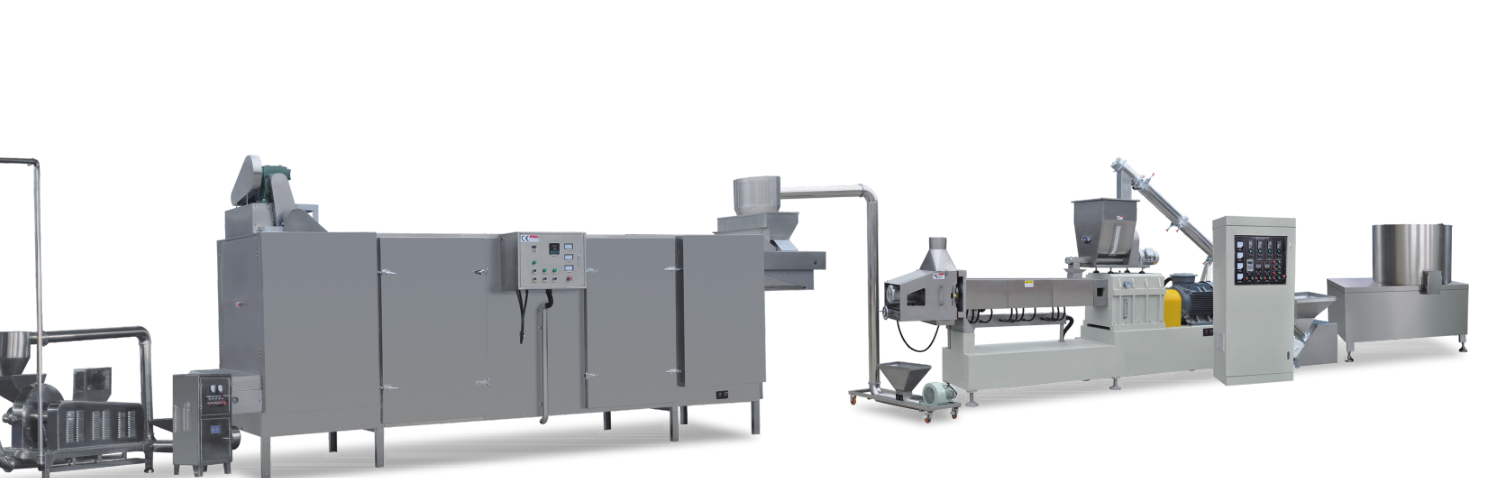
Every bucket of cat litter starts with the dirt beneath our feet—literally. The raw material is typically sodium bentonite, a clay formed from volcanic ash that’s been weathering for millennia. What makes it special is the way its microscopic plates lock together when wet, creating a tight seal that traps moisture and odor instantly. But the magic doesn’t stop at the mine. Once it’s crushed into a fine powder, the dust isn’t just an annoyance; it’s a sign of untamed particles that need binding. That’s where the clumping secret lies: additives like guar gum or cellulose fibers are gently folded in, acting like molecular glue. When liquid hits, they swell into a firm, scoopable mass while the rest stays dry and loose.
The real art, though, is in the sieving and drying process. The granules pass through a cascade of vibrating screens that sort them by size with obsessive precision, creating a uniform texture that neither tracks across the floor nor crumbles under pressure. A rotary kiln might bake them at low temperatures to lock in just the right moisture balance—dry enough to absorb fast, but not so parched that they repel liquid. Some brands toss in a dash of activated charcoal or baking soda, not as an afterthought, but as a quiet reinforcement against the inevitabilities of a litter box. It’s a blend of geology and chemistry, tuned by trial and error over decades.
What most people miss is how much the final product depends on apparently trivial choices in the factory. The angle of a conveyor belt, the humidity in the milling room, even the type of water used to test clumps—these variables can make the difference between a litter that forms jagged, weak clumps and one that creates smooth, solid mounds that lift cleanly. Engineers constantly tinker with these levers, chasing that ideal where the litter feels light under the paw yet stands up to a week of neglect. It’s less a recipe and more a living process, refined through endless scoops and sensory feedback from the unloved corners of a home.
Shape, Size, and Texture: Getting the Details Right
Nailing shape, size, and texture means stepping beyond vague ideas and committing to precision. When you say something is 'round,' ask yourself how round—does it have the perfect circle of a marble or the uneven, organic curve of a river stone? Size demands a reference point: a 'small' fruit could be a blueberry or a kumquat, so anchor it with a comparison or a measurement that lets the reader hold it in their mind. Texture is the quietest detail but the most visceral—smooth like glazed ceramic, gritty like wet sand, or pebbled like an orange rind. These three elements together turn a flat description into a tangible experience.
Avoid generic labels by layering sensory cues. Rather than calling a surface 'rough,' specify whether it scratches like burlap or rasps like a cat's tongue. Size descriptions fall flat without context; a 'medium-sized' dog could be knee-high to a child or waist-high to an adult. Tie dimensions to relatable anchors—perhaps the span of a hand, the height of a doorframe, or the volume of a coffee mug. When shape, size, and texture work in concert, they build a world the reader can touch, bypassing intellectual understanding for a physical one.
The secret is in the friction between details. A 'large, smooth sphere' is forgettable, but a 'basketball-sized orb with a slick, almost waxy finish that catches the light in subtle ridges' lingers in the imagination. Think about how texture can contradict shape—a jagged rock might have a surprisingly velvety surface, or a plush cushion could hold a rigid, unyielding core. By weaving incongruities and precise comparisons, you create descriptions that feel discovered rather than crafted, giving your writing the kind of authenticity that sticks.
Avoiding Unplanned Pit Stops
In endurance racing, an unplanned pit stop can unravel hours of strategy in a heartbeat. That's why teams obsess over the smallest details—tire degradation patterns, brake temperatures, fuel burn rates—treating the car like a living, breathing organism. A driver's subtle feedback about a vibration or a slight handling oddity is never ignored; it's cross-referenced with telemetry and acted upon before it morphs into a race-ending failure.
Avoidance is a mindset that blends paranoia with precision. It means running one more formation lap to let the rain tires scrub in, or sacrificing a few seconds of pace to protect a vulnerable gearbox. The best crews read between the sensor lines, sensing when a component is about to betray them. They'd rather lose a tenth a lap for twenty laps than risk a 90-second unscheduled stop that drops them off the lead lap entirely.
Who’s Behind the Blueprints? Finding a Trusted Partner
Blueprints are more than lines on a page—they're a reflection of the minds that shape them. The people behind the plans bring years of hands-on experience, creative problem-solving, and a genuine commitment to your vision. When you start looking for a partner, focus on those who ask the right questions, not just those who promise quick answers. A trusted collaborator will take the time to understand how you work, what you value, and where you want to go, before ever putting pen to paper.
Finding that partner means looking past polished portfolios and diving into how they handle real-world challenges. Do they listen when you voice concerns? Are they transparent about timelines and trade-offs? The best teams don't just deliver a design—they walk you through every decision, making sure you feel confident at each stage. Communication isn't an afterthought; it's built into their process, so surprises are rare and trust grows naturally.
Ultimately, the right blueprint partner becomes an extension of your own team. They celebrate your milestones, adapt when plans shift, and hold themselves accountable long after the final draft is done. It's not about a one-off project; it's about building a relationship where your goals always come first. When you find someone who treats your dreams with the same care as their own, you've found more than a service provider—you've found a true collaborator.
When the Line Expands: Scaling Up Without Snags
Growth often arrives as an uninvited acceleration. One day operations are steady; the next, every process strains under sudden volume. The challenge isn't just adding more—it's preventing the quiet fractures that appear when systems designed for simplicity hit complexity. Leaders who navigate this well recognize that scaling isn't a mere multiplication of resources but a deliberate redesign of how teams, technology, and workflows interlock. Early warning signs include decision latency, where approvals that once took hours now take days, or quality dips that trace back to overburdened checkpoints.
Successful expansion hinges on preemptive reinforcement rather than reactive firefighting. Consider the physical analogy: you don't widen a highway after traffic has already jammed every lane. Instead, you anticipate merge points and reinforce them ahead of demand. In business, that means stress-testing your operational seams—the handoffs between departments, the assumptions in your automation, the scalability of your supply chain. Firms that thrive during hyper-growth often embed flexibility into their core from the start, using modular processes and adaptive tech stacks that can swell without breaking.
Culture, too, must evolve without losing its essence. When teams double or triple quickly, informal norms can falter. New hires bring fresh energy but also varied expectations. Preserving clarity of purpose becomes a deliberate act: repeating core principles, celebrating behaviors that reinforce them, and openly retiring habits that no longer fit. The companies that scale without snags treat culture not as a static artifact but as a living framework that grows alongside them, shaping how decisions are made even when the original founders are no longer in every room.
FAQ
A professional machine is built for continuous, high-volume output with precision controls, durable construction, and features like automated mixing and consistent pellet sizing that ensure reliable, uniform litter batch after batch.
Start by estimating your daily sales volume and growth plans. Look at machines rated in kg/hour. It's better to go slightly over your current demand to avoid bottlenecks, but don't overinvest if your space or budget is tight.
Most professional machines handle bentonite, corn, cassava, pine, tofu, and silica gel granules. The key is the machine's adaptability—check if it has adjustable die plates and compression settings to switch between materials easily.
Yes, many smaller all-in-one systems combine mixing, pelletizing, drying, and screening into a single footprint. Reliability comes from the build quality and maintenance routine, not just size.
It's crucial. Proper drying prevents clumping issues later, and effective dust extraction keeps the pellets clean and reduces irritation for cats and owners. Machines with integrated cyclones or multi-layer screens do this best.
Daily cleaning of die holes, weekly lubrication of bearings, and monthly checks on cutting blades and belts. Always keep a spare die and roller shell on hand; they wear out and downtime can be costly.
Many newer machines prioritize energy recovery and reduced water use. Look for models with efficient motors and closed-loop cooling. Using plant-based materials like corn or pine further lowers the environmental footprint.
Conclusion
Building a dependable cat litter production line starts with refusing to settle for mediocre equipment. The machinery you choose must blend precise dust-to-clump technology with robust engineering, ensuring the final granules have the right shape, size, and texture. Every component, from mixers to pelletizers, should work in harmony, keeping your operation running without unexpected breakdowns. It’s not just about avoiding pit stops—it’s about entrusting your workflow to a partner whose blueprints reflect deep industry know-how and who stands ready to help you scale up seamlessly when demand surges.
Reliable production never hinges on a single feature; it depends on the synergy between innovation and practical support. Understanding the tech inside your machine means you can tweak output to match market preferences, while a partner with genuine expertise helps you dodge the frustrations of unplanned downtime. And when your line expands, that same partner ensures the transition is smooth, keeping the consistency of your product intact. In the end, the right machine is more than hardware—it’s the backbone of a business that refuses second-best, delivering litter that clumps just right, every single time.
Contact Us
Contact Person: LILY SUN
Email: [email protected]
Tel/WhatsApp: 0086-13969103791
Website: https://www.snackfoodmachinery.com/