
Polymer Insulator: Top Benefits, Applications, and Efficiency in Modern Power Systems
2026-01-19
As power grids evolve to meet the demands of modern energy systems, the search for more durable and efficient solutions leads us to innovative materials like polymer insulators. These advanced components have revolutionized transmission and distribution networks, offering superior performance in harsh environments while reducing maintenance costs. In this blog, we delve into the top benefits and applications of polymer insulators, highlighting their critical role in enhancing grid efficiency and reliability. Discover why industry leaders are turning to these modern alternatives and explore insights from Lugao, a trusted name in innovative power solutions.
What makes polymer insulators a top choice for modern power systems?
Polymer insulators have surged in popularity for modern power systems largely due to their impressive performance even in harsh environmental conditions. Unlike traditional materials, these insulators don't just sit there; they actively resist the wear and tear from pollution, moisture, and UV exposure. This resilience means fewer failures and less downtime, keeping the grid humming along smoothly without constant maintenance interruptions. It's a game-changer for areas prone to storms or industrial fallout where reliability can't be left to chance.
Another standout feature is their lightweight and flexible design, which makes installation and handling a breeze compared to clunky ceramic alternatives. Think about it – crews can maneuver these insulators faster and with less risk, slashing labor costs and speeding up project timelines. Plus, their ability to absorb mechanical stresses from wind or vibrations reduces the strain on supporting structures, potentially extending the lifespan of entire transmission lines. This practical advantage goes beyond specs on paper; it translates directly to smoother operations on the ground.
Looking ahead, polymer insulators are pushing the envelope with innovations like hydrophobic surfaces that repel water and prevent flashovers, even in fog or rain. These aren't just incremental upgrades but transformative shifts that future-proof power networks against evolving climate challenges. By combining durability, ease of use, and smart engineering, they're not merely an option – they're becoming the backbone of modern, resilient systems that prioritize both efficiency and safety.
Key advantages of polymer insulators over traditional ceramic options
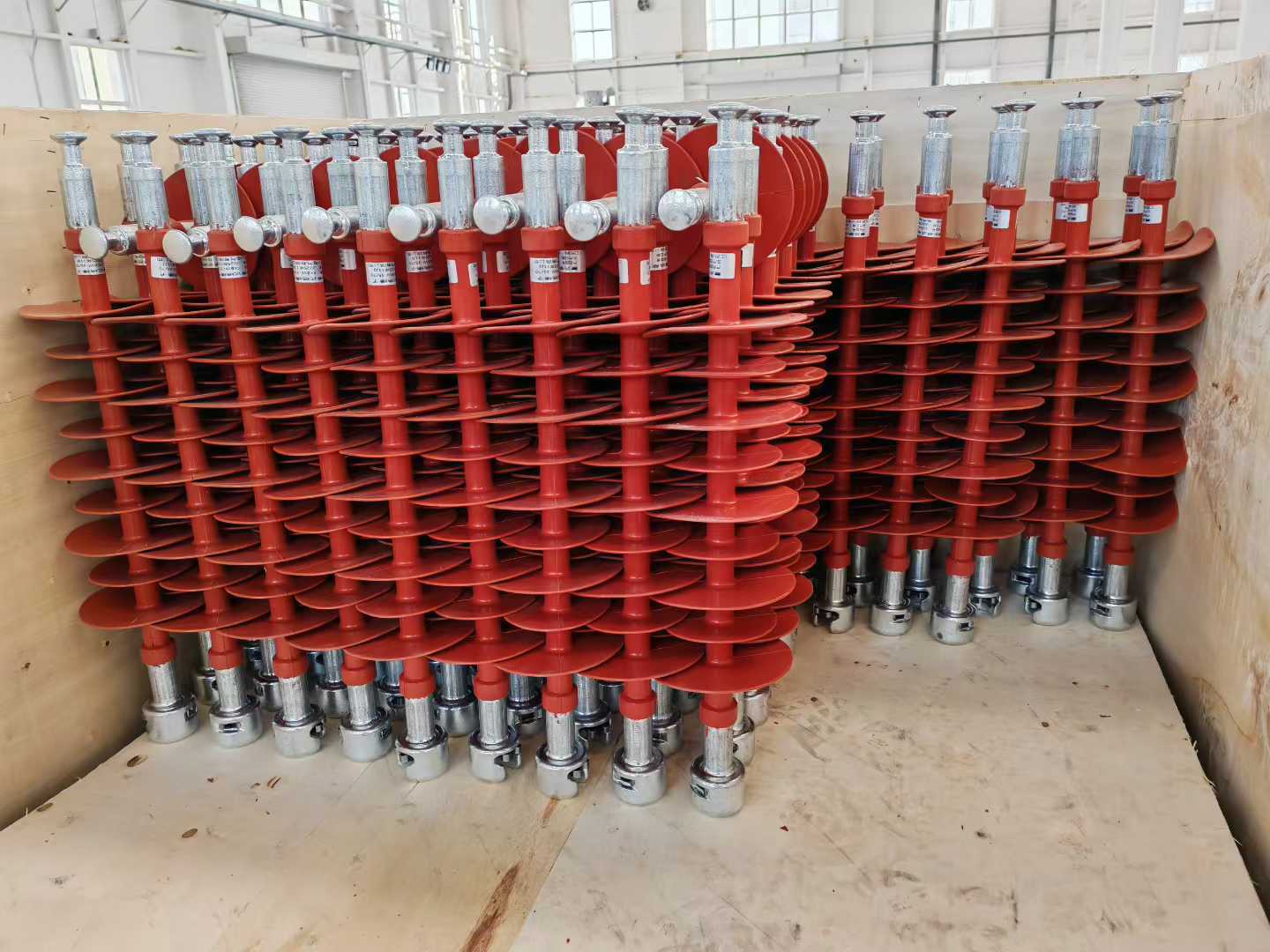
Polymer insulators offer several compelling benefits that make them a superior choice in many modern applications compared to their ceramic counterparts. One of the standout advantages is their lightweight nature, which significantly eases installation and reduces structural stress on support systems, leading to cost savings in labor and materials. Additionally, these insulators are highly resistant to vandalism and impact damage, maintaining performance in harsh environments where ceramic insulators might crack or shatter. This durability translates to lower maintenance needs and fewer replacements over time, making them a more sustainable and economical option for long-term infrastructure projects.
Another key edge of polymer insulators lies in their superior performance in polluted or coastal areas where contamination can degrade insulation effectiveness. Their hydrophobic surfaces repel moisture and prevent the formation of conductive layers, reducing the risk of flashovers and power outages that are common with ceramic insulators in such conditions. This feature not only enhances grid reliability but also minimizes the need for frequent cleaning, offering a practical solution for utilities operating in challenging climates. The flexibility in design allows for tailored shapes and sizes to meet specific engineering requirements, further optimizing performance where traditional options fall short.
Beyond technical aspects, polymer insulators contribute to environmental and safety improvements. Their production involves less energy-intensive processes compared to ceramic manufacturing, resulting in a smaller carbon footprint, and they are often made from recyclable materials, supporting eco-friendly initiatives. In terms of safety, their non-brittle nature reduces hazards during handling and installation, lowering the risk of injury on site. These advantages, combined with advancements in polymer technology that extend their lifespan and performance, position them as a forward-thinking alternative that addresses both operational efficiency and sustainability goals in the energy sector.
Diverse applications of polymer insulators across power grid infrastructure
Polymer insulators have become increasingly prevalent in modern power grid infrastructure due to their superior performance in challenging environments. Unlike traditional ceramic or glass insulators, these lightweight, non-brittle components offer enhanced resistance to vandalism and atmospheric contaminants. Their design flexibility allows for installation in tight spaces or areas with limited access, making them ideal for urban settings where space constraints are common.
One standout application is in coastal regions, where salt spray and high humidity accelerate corrosion. Polymer insulators, with their hydrophobic surfaces, effectively repel moisture and prevent salt buildup, significantly reducing maintenance needs. This durability translates to fewer outages and lower long-term costs, as utilities can rely on these insulators to withstand harsh weather conditions without frequent replacements.
Beyond reliability, polymer insulators contribute to grid resilience by enabling innovative designs like compact transmission lines. Their ability to support higher voltages in a smaller footprint helps utilities optimize land use and reduce visual impact. Additionally, their resistance to UV degradation ensures consistent performance over decades, supporting sustainable infrastructure development across diverse terrains, from mountainous areas to industrial zones.
Enhancing efficiency and reliability with polymer insulator technology
Polymer insulator technology has transformed the landscape of electrical power distribution by offering a lightweight yet durable alternative to traditional porcelain and glass insulators. Unlike their older counterparts, polymer insulators are crafted from high-grade silicone or ethylene propylene diene monomer (EPD) rubber, which inherently repels moisture and resists tracking. This means they maintain their insulating properties even in the harshest environmental conditions, from coastal salt spray to industrial pollution, without the need for frequent cleaning or maintenance. The result is a significant uptick in operational efficiency—lines stay energized longer, and crews spend less time on repairs, leading to lower costs and reduced downtime for utilities.
Beyond mere durability, the design flexibility of polymer insulators allows for tailored solutions that enhance reliability in specific applications. For instance, their hydrophobic surfaces prevent water droplets from forming continuous paths, drastically reducing the risk of flashovers during storms or high humidity. This is complemented by advanced manufacturing techniques that embed metal fittings securely within the polymer housing, eliminating leakage currents and minimizing the chance of catastrophic failures. In regions prone to seismic activity or high winds, the lighter weight and superior mechanical strength of polymer units mean they can withstand greater stresses without compromising structural integrity, ensuring consistent power delivery when it's needed most.
The integration of polymer insulators into smart grid systems underscores their role in boosting long-term reliability. With built-in features like embedded sensors, these insulators can monitor real-time electrical and environmental data, providing early warnings for potential issues such as partial discharges or material degradation. This proactive approach allows utilities to shift from reactive maintenance to predictive models, optimizing asset management and extending the lifespan of infrastructure. As renewable energy sources like wind and solar become more prevalent, polymer insulators' adaptability to fluctuating voltages and extreme temperatures makes them an indispensable component in modernizing grids for a resilient, efficient future.
Environmental benefits and sustainability aspects of polymer insulators
Polymer insulators are emerging as a game-changer in the electrical industry, offering notable environmental advantages that set them apart from traditional ceramic or glass alternatives. Unlike their heavier, brittle counterparts, these insulators are crafted from lightweight, durable materials like silicone rubber or EPDM, which significantly reduces the carbon footprint associated with transportation and installation. This efficiency not only cuts down on fuel consumption during logistics but also lowers overall energy use in handling, making them a smarter choice for green initiatives. Moreover, their resilience to harsh weather conditions means fewer replacements and less waste over time, contributing to a more sustainable infrastructure lifecycle.
Sustainability is deeply woven into the design and lifecycle of polymer insulators. Their production often involves recyclable materials, and advancements in manufacturing have led to reduced use of hazardous substances, aligning with global eco-friendly standards. For instance, the materials used can be engineered to resist UV degradation and pollution, extending their service life without constant maintenance. This durability translates to less frequent disposal and a smaller environmental impact from manufacturing and end-of-life processes. In a world focused on minimizing ecological disruption, polymer insulators stand out by offering a blend of longevity and material efficiency that supports long-term environmental stewardship.
A standout benefit of polymer insulators lies in their reduced reliance on raw materials compared to traditional options. The lightweight nature not only aids in easier installation but also means less material extraction and processing, conserving natural resources. Additionally, their ability to withstand extreme temperatures and corrosive environments without degradation means they perform reliably in diverse settings, from arid deserts to coastal regions. This adaptability reduces the need for specialized, resource-intensive solutions, promoting a more versatile and eco-conscious approach to power distribution. By prioritizing both performance and planetary health, polymer insulators exemplify how innovation can drive sustainability in critical infrastructure sectors.
Future trends and innovations in polymer insulator design and usage
The evolution of polymer insulators is shifting toward materials that blend advanced composites with self-healing capabilities, allowing for longer service life in harsh environments. This isn't just about better durability; these insulators are being tailored to integrate seamlessly with smart grid technologies, incorporating sensors that monitor real-time stress and environmental exposure. As renewable energy sources expand, polymer insulators are being designed to handle higher voltages and fluctuating loads, reducing the need for frequent replacements and enhancing overall grid resilience.
Innovations are also focusing on lightweight, modular designs that simplify installation and maintenance, cutting costs and downtime. For instance, some new polymer formulations are being developed to resist UV degradation and chemical corrosion more effectively, addressing common failure points in existing models. This doesn't just improve reliability—it opens doors to using insulators in previously impractical settings, like offshore wind farms or heavily polluted industrial areas, where traditional materials might falter under constant stress.
Looking ahead, the trend is moving toward predictive analytics and AI-driven maintenance, where data collected from embedded sensors in polymer insulators helps forecast failures before they occur. This proactive approach minimizes risks and ensures consistent performance, ultimately making energy distribution safer and more efficient. By embracing these advancements, the industry is not only solving current challenges but also paving the way for a more adaptable and sustainable electrical infrastructure.
FAQ
Polymer insulators excel due to their lightweight construction and superior resistance to environmental stress, such as UV degradation and salt pollution, leading to lower maintenance needs and enhanced reliability in harsh conditions.
By reducing surface leakage currents and minimizing energy losses, polymer insulators maintain better electrical performance, which helps optimize grid stability and reduce operational costs over time.
In urban areas, they are commonly used in substations, transmission lines, and distribution networks, where their compact size and aesthetic design minimize visual impact while ensuring safety and durability.
Yes, they are engineered with advanced materials like silicone rubber and EPDM, offering excellent insulating properties that reliably manage high-voltage loads, even in demanding environments like coastal or industrial zones.
Polymer insulators require less frequent upkeep due to their non-ceramic, hydrophobic surfaces that resist contamination build-up, significantly cutting down on inspection and cleaning efforts.
Their longer lifespan and lower resource consumption during production and use support eco-friendly practices, reducing waste and energy footprint in the electrical infrastructure.
While highly versatile, they may be susceptible to long-term aging effects in extreme climates, though ongoing material innovations are continuously addressing these challenges to enhance resilience.
Conclusion
Polymer insulators represent a significant advancement in electrical infrastructure, offering compelling advantages over traditional ceramic alternatives. Their lightweight nature simplifies installation and reduces structural demands on towers, while superior hydrophobicity prevents surface leakage currents that can compromise reliability. Unlike brittle ceramics prone to catastrophic failure, polymer designs exhibit resilience against mechanical stresses and vandalism. These composite materials demonstrate exceptional performance in contaminated environments by resisting flashovers, with self-cleaning properties that minimize maintenance needs. Their design flexibility allows for optimized aerodynamic profiles, reducing wind-induced oscillations and enhancing grid stability across diverse climatic conditions.
The versatility of polymer insulators extends across transmission lines, substations, and railway electrification systems, where their corrosion resistance proves particularly valuable in coastal regions. Environmental benefits include reduced manufacturing energy requirements and elimination of lead-based glazes found in some ceramics. As smart grid technologies evolve, polymer insulators integrate effectively with monitoring sensors for real-time condition assessment. Future developments focus on nanocomposite formulations for improved tracking resistance and UV stability, along with bio-based polymers supporting circular economy principles. These innovations position polymer insulators as essential components for building resilient, efficient power networks capable of meeting twenty-first-century energy demands while addressing sustainability challenges.
Contact Us
Contact Person: Doreen
Email: [email protected]
Tel/WhatsApp: 8618057712366
Website: https://www.liugaopower.com/