
Polymer-Based Soil Binder: A Smart Solution for Stronger, Greener Infrastructure
2026-07-09
Imagine building roads that last longer, require less maintenance, and actively reduce your carbon footprint. As infrastructure demands soar, the weaknesses of traditional soil stabilization—high costs, heavy machinery, and environmental harm—are no longer acceptable. Enter polymer-based soil binders: a groundbreaking chemistry that transforms ordinary soil into a durable, eco-friendly foundation. Leading this shift is MST, whose innovative solutions are redefining what’s possible in construction. Curious how this smart technology can slash project timelines and boost sustainability? Read on to discover the science behind stronger, greener infrastructure.
The Hidden Cost of Weak Soil
Weak soil doesn't just slow down construction—it quietly drains budgets long after the project is finished. When foundations sit on unstable ground, settlement becomes an ongoing expense, not a one-time fix. Minor cracks widen into structural faults, and what starts as a slight unevenness in flooring can evolve into misaligned door frames, jammed windows, and ruptured utility lines hidden beneath the slab. These issues rarely announce themselves all at once; instead, they appear gradually, each repair masking a deeper problem that hasn't been addressed.
The real sting comes from repeated, unplanned maintenance. A building on poor soil may require releveling every few years, a process far more invasive and costly than most anticipate. Plumbing beneath the foundation gets compromised as the ground shifts, leading to leaks that erode the soil further—a vicious cycle that few insurance policies are willing to cover fully. Owners often find themselves caught between temporary fixes and the daunting prospect of a complete foundation replacement, all while property value takes a silent, steady hit.
Beyond the direct repair bills, weak soil inflicts a toll on daily operations and peace of mind. Commercial spaces lose revenue during slab jacking or pier installation, and homeowners deal with the constant anxiety of what might crack next. Even landscaping and drainage systems suffer, as uneven settling redirects water toward the structure rather than away from it. The price of ignoring soil quality isn't just measured in dollars—it's measured in years of disruption and the lingering question of whether the ground beneath will ever truly stabilize.
Reinventing Soil Binding with Polymer Science
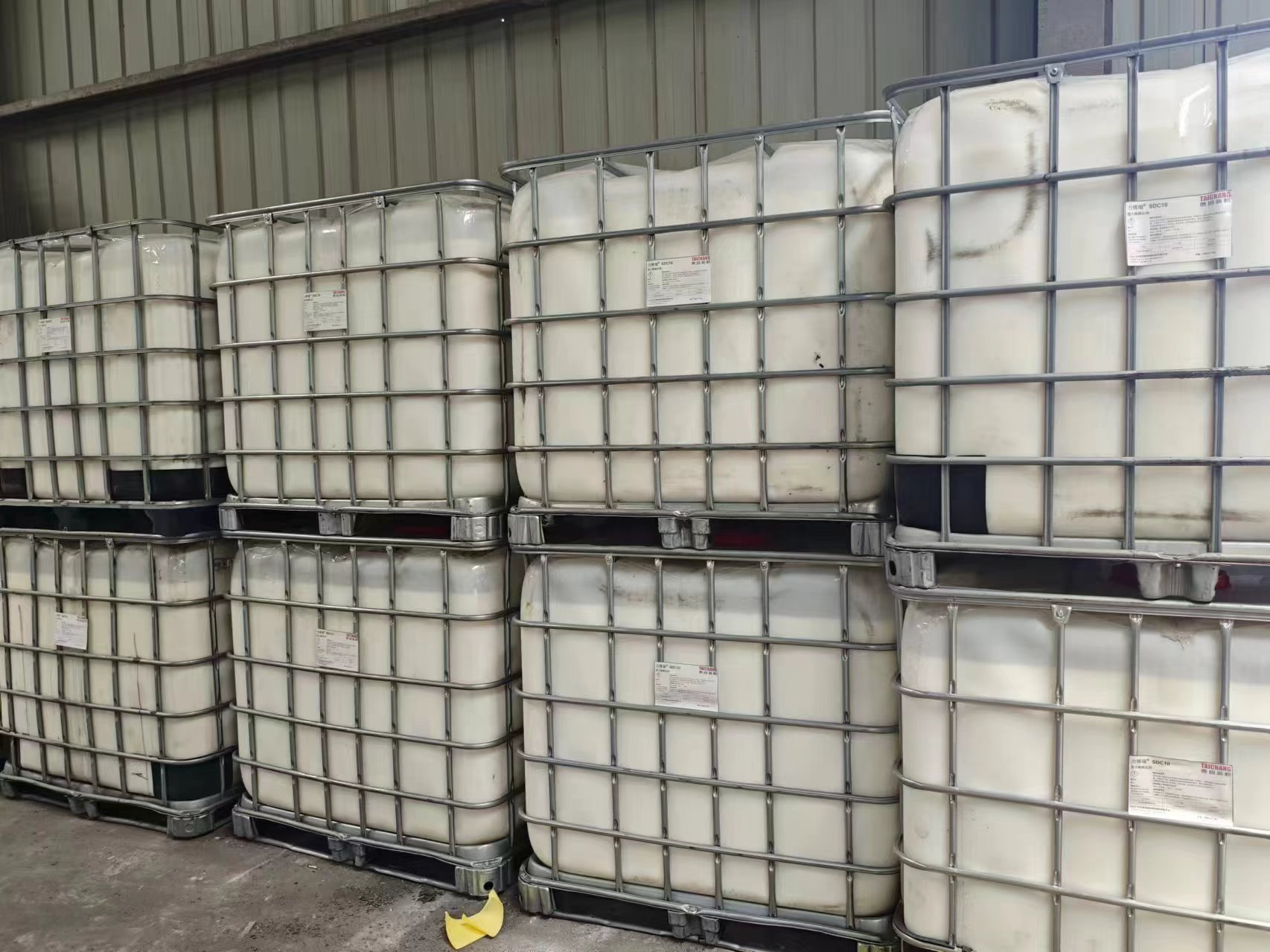
For decades, soil stabilization has leaned on mechanical compaction and traditional additives like cement or lime. But these methods often disrupt natural ecosystems, demand heavy energy input, and crack under repeated stress. Polymer science offers a quiet revolution: synthetic and bio-based polymers can thread through soil particles like a microscopic net, forming flexible bonds that resist erosion, retain moisture, and even encourage root growth. Rather than creating rigid blocks, this approach mimics nature’s own adhesion strategies, turning loose dirt into a cohesive, living substrate.
What makes polymers truly disruptive is their tunability. By adjusting molecular weight, charge density, or cross-linking, scientists can design binders that respond to specific environments—swelling in wet conditions to seal leaks, or staying rigid under load to support heavy structures. Polyacrylamides, lignin-based copolymers, and even chitosan derivatives are being tested not just to hold soil together, but to deliver nutrients, remediate contaminants, and sequester carbon. The result is multifunctional ground that works harder with fewer resources.
In field trials across agricultural lands, construction sites, and desert edges, polymer treatments have cut water use by up to half, slashed dust generation, and stabilized slopes without concrete. These breakthroughs are quietly rewriting the rules of land management, offering a path toward infrastructure that cooperates with natural cycles rather than suppressing them. The chemistry is complex, but the vision is simple: soil that binds itself, heals itself, and grows stronger over time.
Strength Meets Sustainability in Modern Infrastructure
Modern infrastructure is no longer just about withstanding loads and weathering the elements. It’s about creating systems that endure while actively reducing their environmental footprint. The fusion of high-performance materials with eco-conscious design allows bridges, buildings, and transport networks to stand resilient for decades without draining natural resources. This isn’t a compromise between durability and green ideals—it’s a leap forward where reinforced structures actually contribute to healthier ecosystems.
Take the shift toward low-carbon concrete and recycled steel: these materials don’t simply lower emissions during construction. They often outperform traditional alternatives in tensile strength and corrosion resistance, pushing maintenance cycles further apart. When a highway overpass or a coastal barrier incorporates self-healing bio-concrete or saltwater-resistant alloys, it becomes a living testament to smarter engineering. Every component serves a dual purpose: bearing weight while silently regenerating or resisting decay.
The real magic happens when design mimics nature’s efficiency. Green roofs on transit hubs absorb stormwater and insulate interiors, wind-swaying towers employ tuned mass dampers that slash material usage, and porous pavements recharge groundwater instead of funneling runoff into sewers. These choices don’t just check regulatory boxes—they redefine what public works can achieve. Strength and sustainability aren’t opposing forces here; they’re complementary traits that future-proof the backbone of our communities.
How Polymer Binders Tackle Extreme Conditions
Polymer binders play a critical role in maintaining material integrity when faced with harsh environments. Their molecular flexibility allows them to absorb mechanical stress that would otherwise cause cracking or delamination. Unlike rigid inorganic binders, polymer chains can stretch and recover without permanent damage, making them ideal for applications that experience repeated thermal cycling or vibration. This elasticity is engineered through careful selection of monomer units and crosslinking density, which can be tuned to match specific operational demands.
Chemical resistance is another area where polymer binders excel. By tailoring functional groups along the backbone, these binders can repel corrosive substances or even form protective barriers that slow degradation. In high-temperature settings, specialized formulations with aromatic or heterocyclic structures resist thermal decomposition, preserving adhesion and cohesion. This combination of thermal stability and chemical inertness allows polymer binders to outperform conventional alternatives in extreme industrial processes, from deep-well drilling to aerospace components.
Finally, polymer binders help mitigate the effects of environmental aging. UV radiation, moisture, and oxidative conditions steadily erode unprotected materials, but polymer binders can include stabilizers that scavenge free radicals or absorb harmful wavelengths. By dispersing these additives at the molecular level, the binder extends the service life of composites and coatings. This proactive defense mechanism is why polymer binders are increasingly chosen for outdoor infrastructure and marine applications, where durability under constant exposure is non-negotiable.
A Greener Path to Durable Roads and Foundations
Traditional road construction often leans heavily on energy-intensive materials and methods that strain both budgets and ecosystems. Shifting toward greener alternatives doesn’t mean compromising on strength—innovations like recycled asphalt, geopolymer binders, and industrial byproducts such as fly ash can match or even exceed the performance of conventional mixes while cutting carbon emissions by half. These choices create a virtuous cycle where durability meets decarbonization, all without sacrificing the load-bearing capacity that roads and foundations demand.
Beyond material swaps, greener engineering rethinks the entire lifecycle. Permeable pavement, for instance, reduces runoff and replenishes groundwater, while self-healing concrete infused with bacteria extends lifespan and slashes maintenance needs. Smart compaction and curing techniques further lock in long-term stability, meaning fewer repairs and less traffic disruption. The result is a road that lasts longer, costs less over time, and quietly supports the landscape around it.
Future-Proofing Construction with Smart Materials
Incorporating smart materials into building design isn't just about keeping pace with technology—it's about anticipating what structures will need decades from now. Self-healing concrete, for example, already shows how embedded bacteria can seal cracks autonomously, slashing long-term maintenance costs and extending service life. By weaving such adaptive capabilities into the very fabric of a project, developers can sidestep the usual cycle of reactive repairs and instead deliver assets that grow more resilient over time.
Beyond repair, materials like phase-change composites and thermochromic coatings actively respond to environmental shifts, regulating interior temperatures or visibly signaling stress without external power. These features cut operational energy loads and provide real-time feedback that helps building managers catch issues before they escalate. The result is a built environment that doesn’t just withstand the future—it works with it, turning every wall, window, and beam into a dynamic participant in long-term performance.
Pulling these innovations into mainstream construction requires a shift in mindset, not just material specs. Early collaboration between architects, engineers, and material scientists ensures that smart elements are integrated holistically rather than tacked on as novelty. When a building’s skin can breathe, its bones can mend, and its surfaces can communicate, the final structure transcends static shelter—it becomes a living asset tuned to decades of use, and one that quietly redefines what durability means in an era of unpredictable climate and resource constraints.
FAQ
It's a liquid or powder additive that chemically bonds soil particles together, creating a flexible yet tough matrix. Once mixed into the soil, the polymer chains wrap around grains and fill voids, then harden through curing, locking everything into a solid mass that resists erosion and load.
By stabilizing soil at the molecular level, it boosts compressive strength and durability without the heavy carbon footprint of cement production. Less material needs to be trucked in, and the treated soil often stays in place, reducing excavation and landfill waste.
You'll see it in road bases, embankments, dust control on unpaved surfaces, slope stabilization, and even in building foundations. It's also gaining traction for erosion control along waterways and for reinforcing temporary worksites.
Polymers typically cure faster, use less water, and resist cracking better because they remain slightly flexible. They don't leach alkaline compounds that can harm nearby vegetation, and the overall material volume needed is often a fraction of what cement would require.
Absolutely. Treated surfaces hold up better against weather and wear, meaning fewer potholes, less rutting, and minimal dust generation. The upfront cost can be offset quickly by avoiding frequent grading, re-graveling, and downtime on unpaved roads.
While it works with most soils, very organic or highly saturated clays can be tricky. The polymer needs clean particle surfaces to bond effectively, so soils with excessive silt or organic matter might require pre-treatment or blending with other aggregates.
Besides reducing cement use, it prevents sediment runoff into streams, cuts down on airborne dust that affects air quality, and often allows for vegetation growth on treated slopes—supporting local ecosystems rather than smothering them.
It's usually straightforward: the soil is scarified or tilled, the polymer is sprayed or mixed in with water, and then it's compacted and left to cure. In some cases, a thin topcoat is added for extra weather protection. No special heavy equipment beyond standard graders and rollers is needed.
Conclusion
Weak soil poses a significant yet often overlooked challenge in construction, leading to structural instability, higher maintenance costs, and environmental degradation. Conventional soil stabilization methods, such as cement treatment, carry a heavy carbon footprint and often fail under dynamic or extreme weather conditions. Polymer-based soil binders offer a transformative alternative by leveraging advanced polymer chemistry to reinforce soil at the molecular level. These liquid or powder additives create strong, durable bonds between soil particles, effectively transforming loose, weak earth into a robust, load-bearing material. Unlike traditional binders, they provide flexibility and resilience, reducing cracking and erosion while requiring less material overall. These smart binders can be tailored to specific soil types and project needs, enhancing their effectiveness in diverse settings.
Modern infrastructure demands solutions that marry strength with sustainability, and polymer binders deliver on both fronts. They excel in extreme conditions—from arid deserts to flood-prone regions—by resisting water infiltration, preventing washouts, and maintaining structural integrity even under thermal expansion and contraction. This resilience extends the lifespan of roads, foundations, and embankments while minimizing the need for repairs and reconstruction, thus conserving resources and lowering lifecycle emissions. Beyond performance, these binders align with green construction goals: they can be formulated from bio-based or recycled polymers, reduce dust and particulate pollution, and enable the use of locally available soils, slashing transportation costs and the associated fuel consumption. Moreover, the application process is often less energy-intensive than traditional methods, further shrinking the project's environmental footprint. As the industry shifts toward smart materials, polymer-based soil binders stand out as a practical, eco-friendly pathway to future-proof our built environment against climate stress and resource scarcity.
Contact Us
Contact Person: Helen
Email: [email protected]
Tel/WhatsApp: 86 18630661160
Website: https://www.roadmilestone.com/