

OEM Y Strainer What You Need to Know Before Purchasing
2026-11-16
Choosing the right OEM Y strainer isn’t just about picking a part number—it’s about protecting pumps, valves, and meters from debris that can shorten their life. Before you commit to a purchase, there are a few critical details that often get overlooked: mesh size, pressure rating, material compatibility, and whether the strainer truly meets OEM specs. UPTAI has supplied countless replacement and custom strainers, and we’ve learned that a little upfront knowledge saves a lot of downstream trouble. Here’s what you need to know before you buy.
The material you skip over today becomes the leak you chase tomorrow
Skipped material doesn't disappear; it just waits in a corner of your system, half-understood and unlabelled. A configuration block you glossed over, a dependency note you scrolled past, a warning you didn't read to the end — each one is a loose thread. When something breaks, those threads pull you back, and you end up untangling them under pressure.
The leak rarely starts as a flood. It's a slow drip from the spot you ignored. A day later, that drip becomes the exact error message on your screen, the missing detail in the deployment log, the reason a simple fix turns into a three-hour hunt through old tickets and half-remembered conversations. The ten minutes you saved by skipping it are now costing you the whole afternoon.
Closing the gap while it's fresh feels like a detour, but it's cheaper than the emergency. When you catch yourself skimming, stop and fill in the blank with a short note, a quick test, or one clarifying question. Write down the three sentences you wish you'd known before you moved on. That small act of repair today turns tomorrow's leak into a closed loop.
Mesh size isn't just a number—it's your cleaning schedule
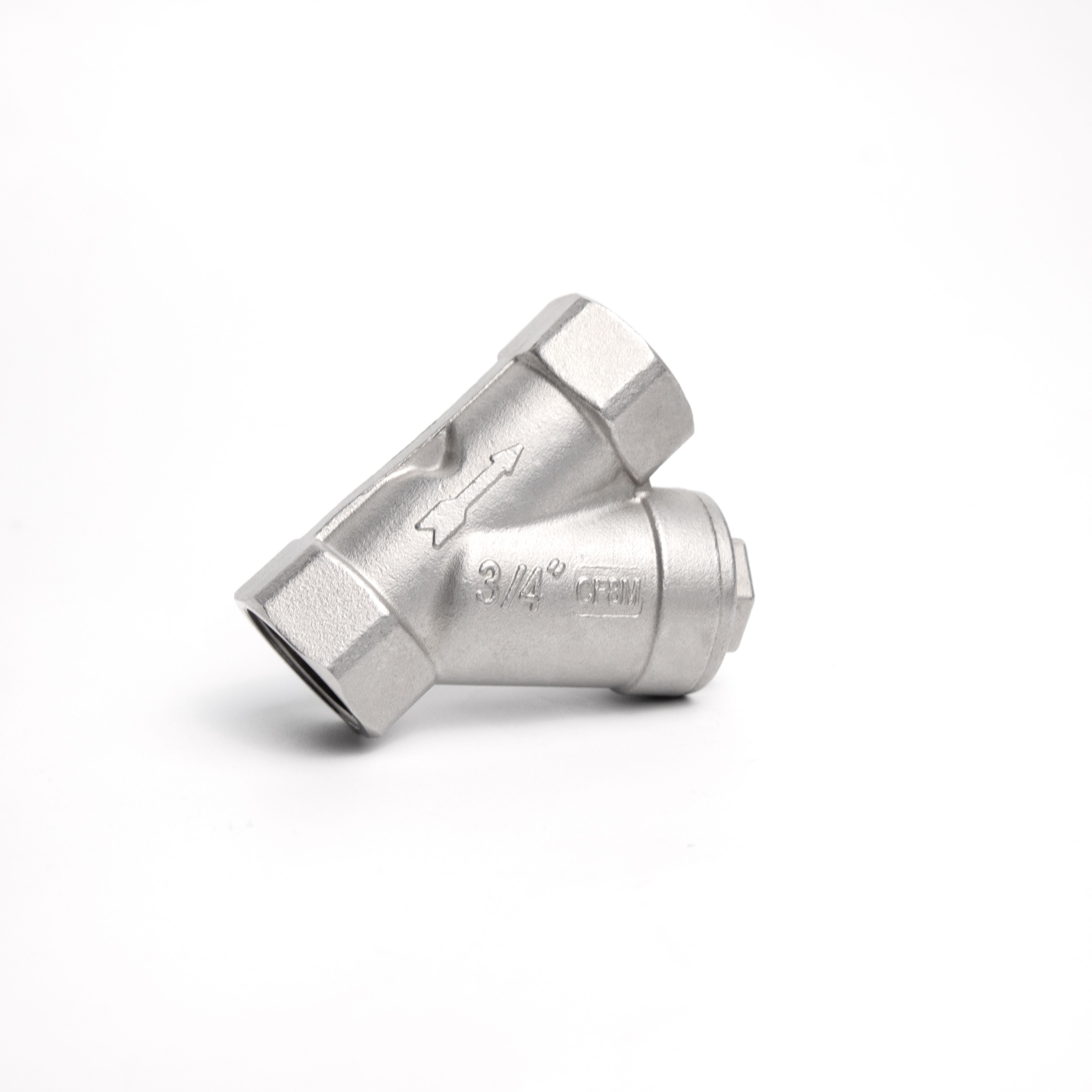
A 200-mesh screen won't just catch more debris—it will demand your attention twice as often as a 100-mesh screen. That's not a flaw; it's the trade-off you sign up for when you chase finer filtration. If you're used to rinsing a coarse strainer every Saturday, switching to a tighter weave means Friday afternoon cleanups become the new normal.
Think of the number as a countdown timer. Lower mesh counts buy you lazy weekends because they let the small stuff pass through. Higher mesh counts trap that small stuff, which builds into a layer that blocks flow surprisingly fast. Your actual cleaning rhythm gets set by the combination of mesh size, what you're filtering, and how much of it arrives per hour.
The practical move is to match the mesh to the mess you actually deal with, not the mess you wish you had. If your process water is mostly fine silt, a 50-mesh screen might clog slower than a 200-mesh screen and still do the job. If you're catching visible particles, go finer but plan to clean at the start and end of each shift instead of once a day.
End connections look simple until you're on site with the wrong tools
End connections are one of those things that look foolproof in the drawings. A couple of bolts, maybe a gasket, and you think you'll be done in ten minutes. Then you get to the actual pipe or fitting and realize the flange faces don't line up, the bolt holes are just slightly off, and the wrench you brought is too long to fit in the gap. You end up spending more time hunting for a stubby spanner or a crowsfoot than you do making the connection.
The wrong tools turn a simple task into a slow grind. If your socket set doesn't include thin-wall variants, you'll scratch paint or round off nuts. If you're working with compression fittings and only have open-ended wrenches, you'll slip and chew up the brass. And when the connection is in a corner or behind a valve, a standard tool just won't reach. That's when you start borrowing, improvising, or driving back to the supply house.
It's a reminder to check the job before you load the van. Look at the actual end connections, note the clearances, and pack the right sizes and types. A little pre-site planning saves you from the embarrassment of standing there with a bag full of tools that don't fit.
Temperature swings punish strainers that only meet pressure specs on paper
A strainer rated for a specific pressure at a steady room temperature can fail dramatically when the real world throws in rapid thermal cycling. The metal body, gaskets, and bolted joints all expand and contract at different rates, which quietly fatigues the material long before the pressure gauge ever spikes. That printed pressure number on the datasheet says nothing about how the assembly handles a 100-degree shift between startup and shutdown.
In process lines carrying steam or chilled brine, repeated temperature swings work on every sealing surface like a slow pry bar. A strainer that looks fine on a bench test at constant load may weep from the flange after a few dozen cycles, or worse, crack near a weld where thermal stress concentrates. The pressure spec only tells you the bursting point under static conditions—it ignores the cumulative damage from expansion and contraction.
Engineers who only compare maximum allowable working pressures end up replacing strainers far sooner than expected. The fix isn't always a thicker wall or higher pressure class; it's choosing materials and gasket designs that can flex with temperature shifts without losing their seal. Ignore that, and the strainer becomes the weakest link every time the line heats up or cools down.
A missing blow-down valve turns routine maintenance into a line shutdown
What should have been a thirty-minute isolation job on the feedwater line turned into a six-hour production hold the moment the maintenance crew realized the blow-down valve wasn't where the P&ID showed it. The drawing listed a 2-inch gate valve between the strainer and the pressure gauge, but the actual piping ran straight through with no valve at all. That single discrepancy meant the team could not safely drain the trapped water or confirm zero energy before opening the flanges.
Rather than risk a steam release or a sudden slug of hot condensate, the shift supervisor halted the work and ordered a full line shutdown. Operations had to bypass the entire loop, cool the piping, and bring in a contractor to cut in a temporary valve before maintenance could even start. The missing blow-down valve—likely removed during a previous turnaround and never reinstalled—cost the plant several hours of throughput and turned a routine PM into an unplanned outage.
If the OEM won't share burst test data, walk away
A manufacturer that takes pressure containment seriously will not treat burst test results like trade secrets. If they hesitate, deflect, or claim the data is proprietary, that is not caution. It is concealment. Burst testing reveals how a component behaves beyond its rated limit, when a hose tears, a valve body cracks, or a cylinder end cap lets go. Without those numbers, you are not buying an engineered product. You are buying a promise wrapped in a spec sheet.
Some suppliers will offer verbal reassurance or a vague in-house validation letter instead of the actual report. That is where field failures start. Ask for the full test file, including cycle counts, temperature, failure mode, and pressure trace. If the answer is still no, treat it as a hard stop. Walking away now costs a little time and maybe some sunk engineering effort. Staying costs a lot more when a burst happens on a live system.
FAQ
OEM means the strainer is built to a specific buyer's specifications rather than sold as a generic off-the-shelf part. You might get your own branding, modified dimensions, or material tweaks that match how your system is designed.
Mesh size depends on what you are trying to catch and how sensitive your downstream equipment is. A finer mesh protects pumps and nozzles but clogs faster, so you need to balance debris size with how often you can clean the screen.
Stainless steel handles most corrosive or high-temperature jobs, while bronze works well for marine or low-pressure steam. PVC or CPVC can be fine for chemical lines, but check chemical compatibility before committing.
Yes, that is one of the main reasons to go OEM. You can specify flanged, threaded, socket weld, or even hybrid ends to match existing piping without using adapters.
A standard strainer follows common dimensional and material norms that may not fit your layout perfectly. An OEM version is made to your drawings or brand requirements, so it drops into your system without rework.
Plan on checking the screen regularly, especially during startup when debris load is highest. You can monitor pressure drop across the strainer and clean the screen when it rises noticeably instead of waiting for a fixed calendar interval.
Ask about tooling or pattern fees, minimum order quantities, and any special testing charges. Things like material certifications, custom paint, or third-party inspection can add cost if not quoted upfront.
Request material test reports, pressure test certificates, and dimensional drawings. If it is for food, pharma, or potable water, ask for the relevant sanitary or compliance certificates before shipment.
Conclusion
Buying an OEM Y strainer forces you to think about failure points long before installation. The alloy you ignore today becomes the leak you chase tomorrow, especially in corrosive or high-chloride lines where a cheap cast body pits within months. Mesh size is just as practical: a fine 100-mesh screen catches more debris, but if your system runs dirty, you will be pulling that basket weekly instead of quarterly. End connections look trivial until you arrive on site with a pipe wrench and find flanged, socket-weld, or tri-clamp faces that need different tools and gaskets. And never let a spec sheet lull you into false confidence when pressure ratings look fine at room temperature; thermal cycling from steam to ambient can loosen seats and warp thin walls, so check both pressure and temperature derating curves for the actual service range.
A missing blow-down valve turns a five-minute rinse into a full line shutdown, because someone has to isolate the strainer, remove the cap, and let solids spill out manually. That one option pays for itself the first time you clean the element without stopping production. Finally, if the OEM refuses to share burst test data or documented cycle testing, walk away. A serious manufacturer will show you proof that the body and screen assembly survive beyond rated pressure, not just a catalog claim. Cheap copies skip this step, and that gamble always ends up in your maintenance budget.
Contact Us
Contact Person: Adonis
Email: [email protected]
Tel/WhatsApp: 8615858822657
Website: https://www.uptaivalve.com