

OEM Freezer Glass Door: Key Features and Buying Considerations
2026-11-16
When it comes to commercial refrigeration, the door is often the unsung hero—especially in OEM freezer glass doors, where clarity, insulation, and durability must all work in perfect harmony. A single design flaw can lead to frost build-up, sky-high energy bills, or a display that fails to catch the eye. That’s why more equipment manufacturers are turning to specialized partners like ART, whose engineering focuses precisely on turning these transparent barriers into seamless performance assets. In the following guide, we’ll break down the must-know features and smart buying considerations that separate a forgettable freezer door from one that truly elevates your product—and your bottom line.
Glass Durability: More Than Just Tempered
Tempered glass carries a reputation for toughness—and rightly so. That rapid heating and cooling process locks the surface into compression, making it roughly four times stronger than ordinary annealed glass. But durability is rarely a one-trick show. Scratch resistance, impact distribution, and long-term stability against moisture or chemical attack often depend on factors that have nothing to do with tempering. For instance, a well-formulated soda-lime composition with a flawless edge finish can outlast a poorly handled tempered panel in real-world conditions.
Laminated glass tells a parallel story. Sandwiched between two sheets of glass, the polyvinyl butyral (PVB) interlayer does more than hold fragments after breakage. It spreads point loads across a broader area, reducing the likelihood of a crack ever starting. Meanwhile, ion-exchange processes used for some aluminosilicate glasses build compressive stress layers far deeper than thermal tempering can manage, creating surfaces that shrug off scratches and minor impacts in ways that standard tempered glass cannot match.
Even coatings and edge treatments quietly shape a glass product’s service life. A low-emissivity coating that protects the surface from micro-abrasion, combined with a polished edge that eliminates stress-concentrating irregularities, can turn an ordinary pane into a surprisingly resilient component. Durability, then, lives in the details—raw material purity, forming precision, and the protective strategies employed after tempering. Recognizing this opens up design choices that go well beyond the familiar label of “tempered” and into genuinely engineered glass solutions.
Custom Fit and Finish for Brand Consistency
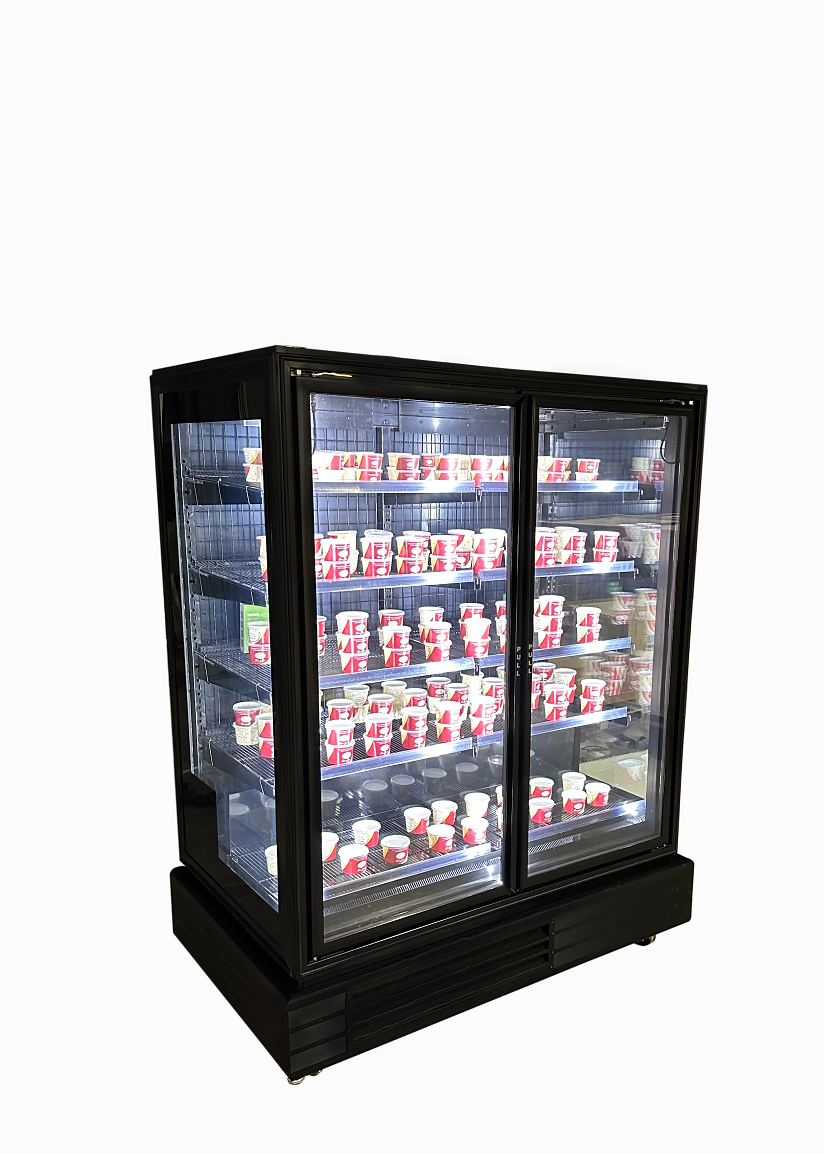
When every touchpoint speaks the same design language, customers start to recognise your brand before they even see a logo. That kind of consistency doesn't happen by accident. It comes from tailoring the fit of every element—whether it's packaging that snaps closed with a satisfying precision, or digital interfaces where spacing feels intentionally chosen. Getting the physical details right means examining how materials meet, how edges align, and how the final surface catches the light. These micro-decisions accumulate into a feeling of reliability that no marketing tagline can replicate.
Finish quality often becomes the unsung hero of brand perception. A slightly textured surface on a product housing, for instance, can signal durability better than any spec sheet. Colour matching across fabrics, metals, and plastics requires obsessive calibration under different lighting conditions. When we ignore these nuances, the audience senses something is off—maybe not consciously, but their trust wavers. The brands that endure are the ones treating every seam, every transition, and every reflective surface as an intentional note in a larger composition.
The real challenge is scaling this attention to detail without losing the human touch. Templated solutions produce templated results. Instead, we embed the brand's personality into the very geometry of a design—adjusting tolerances so that a drawer closes with exactly the right sound, or selecting a coating that ages gracefully over time. These choices aren't just cosmetic; they're functional promises a brand makes every time someone interacts with what it creates. When fit and finish become inseparable from identity, consistency stops being a guideline and starts being something people feel.
Safety First: Features You Shouldn’t Skip
It's easy to get swept up in horsepower numbers or sleek infotainment screens, but the real backbone of any reliable vehicle is the safety tech quietly working behind the scenes. Features like automatic emergency braking and blind-spot monitoring aren't just fancy add-ons—they're the co-pilots that catch what you might miss on a chaotic morning commute. When you're comparing models, look past the glossy brochures and ask how these systems actually perform in real-world scenarios, not just in lab tests.
You'll often hear about lane-keeping assistance and adaptive cruise control, but the devil is in the calibration. A system that jerks the wheel unexpectedly or brakes too aggressively can feel more disruptive than protective. The best implementations are almost invisible, gently nudging you back into your lane or maintaining a natural following distance without any drama. If you can, take an extended test drive on a busy highway, not just around the block. Pay attention to how the car reacts when someone cuts in front of you or when road markings fade—those moments reveal the true quality of the engineering.
Beyond the tech, don't overlook the basics that rarely make the headlines. Solid structural design, a well-engineered crumple zone, and a high-strength cabin frame are the unsung heroes when things go wrong. Check for ratings from independent crash-test organizations and dig into the specifics: how well does the roof hold up in a rollover? What about side-impact protection for rear passengers? A car can be loaded with sensors, but if its core architecture is dated, you're still compromising on the one thing that matters most.
Installation Simplicity vs. Complex Configurations
There’s a quiet satisfaction in unwrapping a tool that just works the moment you plug it in. Installation simplicity doesn’t just save time—it respects the user’s mental space. When setup guides can be tossed aside and intuitive flow takes over, people feel capable, not confused. This frictionless start shapes the entire relationship with a product, lowering the barrier between intention and action.
On the other side, complex configurations can feel like a door with too many locks. Advanced settings, multi-step permission chains, and dependency management often promise power, but they deliver fatigue first. The irony is that the users who need that flexibility the most are frequently the ones least willing to wade through a labyrinth to get it. Customization without clarity becomes a wall, not a feature.
Smart design doesn’t choose between the two—it hides complexity behind simplicity. A well-placed toggle, a progressive disclosure panel, or a sensible default that can be deepened later turns overwhelm into exploration. The sweet spot is an experience that welcomes newcomers with open arms and still offers seasoned hands something to tinker with, on their own terms, when they’re ready.
Total Cost of Ownership: Beyond the Price Tag
When we fixate solely on the sticker price, we often mistake the down payment for the entire journey. The real story unfolds over months and years, through energy consumption, maintenance calls, and the quiet efficiency—or frustrating downtime—of daily operation. A piece of equipment or software that seems like a bargain upfront can slowly drain budgets with unexpected training requirements, compatibility fixes, and premature replacement cycles. Smart buyers learn to trace these hidden currents before they sign anything.
There’s a certain clarity that comes from watching a cheap printer demand expensive ink cartridges every few weeks, or a budget laptop falter under the workload it was supposedly built to handle. These moments teach us that acquisition cost is merely the opening chapter. The plot thickens with every service ticket, every hour of lost productivity, and every workaround your team invents to compensate for a tool that doesn’t quite fit. True cost is a living, breathing thing—it shifts with usage patterns, scales with growth, and sometimes reveals itself only after the warranty expires.
To look beyond the price tag is to ask harder questions before the purchase: What does it take to keep this running when things go wrong? How long until it feels obsolete? Will it bend to our evolving needs or snap under pressure? Organizations that master this mindset don’t just save money—they build resilience into their operations. The goal isn’t to avoid spending, but to spend with eyes wide open, knowing that the cheapest option on paper rarely turns out to be the most economical in practice.
FAQ
It's primarily about the thermal performance and material precision. A well-made door uses low-emissivity glass with argon fills and warm-edge spacer systems to prevent fogging and frost, while the frame extrusion tolerances are tight enough to avoid air leaks that drive compressor run times.
Look beyond the labeled R-value. Ask for hot-box test results that simulate repeated openings and quick recovery. Pay attention to the door's magnetic gasket compression – a robust seal with at least 4-5mm compression is key for prolonged cold retention under real-world use.
Multiple panes without proper coatings just trap larger volumes of dead air, which is mediocre insulation. A single pyrolytic hard-coat on the inner pane reflects infrared heat back into the cabinet far better than double clear glass, slashing energy consumption without the weight penalty.
Frame color and handle style are obvious, but the real pitfalls are in the cutout dimensions relative to your cabinet's construction, the hinge-side swing direction (and whether the hinge carriers can be swapped in the field), and the connector type for any integrated heating elements.
They prevent exterior condensation in humid environments, which stops water damage and slip hazards, but they're not always needed. Evaluate the ambient humidity of the store. If you're in a dry climate, an anti-sweat door can be an unnecessary energy drain. For humid zones, the prevention of moisture-related compressor overload justifies the cost.
A proper anti-scattering film does more than meet safety codes – it keeps broken glass from contaminating inventory during impact, a huge operational risk. The best films are optically neutral and bonded using thermal-cured adhesives that won't yellow or peel under constant frost cycles, unlike cheap layercards.
Request cyclic endurance test certificates specifically for the hinge-and-handle assemblies (100,000+ open/close cycles under load). Also, examine the condensation control mechanism's lifespan; a fogged-up door after two years indicates a failed molecular sieve in the spacer, not just a surface issue.
Conclusion
When specifying an OEM freezer glass door, it’s easy to fixate on basic tempered glass as the default, yet the real distinction lies in how the glass handles extreme thermal swings, moisture intrusion, and the daily punishment of a commercial setting. Doors that rely solely on standard tempered panes often develop stress fractures around the edges, especially in walk-in freezers where temperature differentials between the cold interior and a warm kitchen can exceed 100°F. A far more durable approach involves low-iron glass with a properly engineered thermal break and a robust, flexible edge seal that prevents condensation from creeping between the panes. This not only extends the door’s usable life but also keeps the display clear without the persistent fog that plagues lesser units. Pair that with a multi-layer coating that resists scratching from cleaning chemicals, and you move past the hollow promise of “tempered” into glass that genuinely earns its place on a busy line.
The buying decision gets more nuanced when you weigh safety, branding, and long-term operating costs against the temptation of a low upfront price. A door that integrates heated glass technology, for instance, might cost more initially, but it eliminates the need for external heater wires and cuts compressor runtime by keeping the outer pane just above dew point, directly impacting energy bills over years of 24/7 operation. Safety can’t be an afterthought either; look for doors built with laminated inner panes and a frame design that keeps broken glass contained rather than shattering into food zones. Meanwhile, custom frame finishes and precisely matched handle styles let multi-location brands maintain visual consistency without cobbling together mismatched retrofits. Installation often separates the thoughtful designs from the rest—doors that arrive pre-assembled with adjustable torsion hinges can be hung by one person in minutes, whereas complex field assembled units tend to waste hours and invite alignment issues that undo all the energy saving built into the glass. Thinking beyond the price tag means assigning real value to how a door holds its finish, keeps seals intact, and quietly does its job for a decade before anyone needs to think about it again.
Contact Us
Contact Person: Ellen
Email: [email protected]
Tel/WhatsApp: +86-535-2229725
Website: https://www.artrefrigeration.com/