
OEM Boxing Sandbag Buying Tips for Long-Lasting Training Gear
2026-11-16
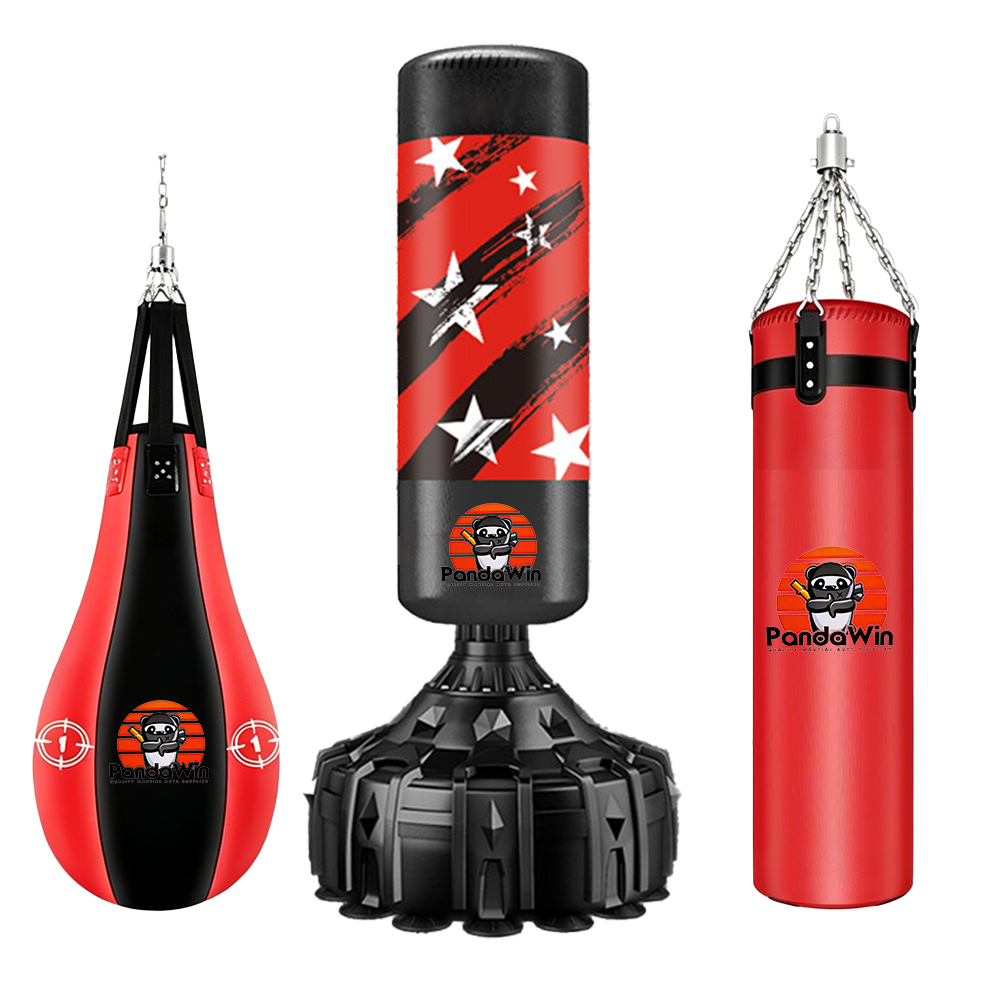
When it comes to OEM boxing sandbags, most buyers focus on price first—then regret it when the stitching rips or the filling shifts after a few hard rounds. If you want gear that survives daily gym abuse and keeps your fighters training without interruption, you need to know what actually makes a sandbag last. At PandaWin Sports, we've seen too many cheap imports fail early. So before you place your next OEM order, read these buying tips that separate long-term performers from throwaway equipment.
What to Check Before You Commit to an OEM Boxing Sandbag
Start by digging into the shell and stitching. A boxing sandbag takes a beating, so ask the manufacturer exactly what the outer layer is made from—heavy-duty vinyl, reinforced synthetic leather, or something thinner that will crack after a few heavy sessions. Check whether the seams are double or triple stitched, especially around the top and bottom caps, because those are the first places to fail. Don't skip the filling either. Sand alone will settle into a rock-hard lump, while a mix of shredded fabric and foam holds its shape better over time. Request a breakdown of the fill ratio and, if possible, a sample panel to judge thickness and flexibility yourself.
Weight distribution and balance matter more than most buyers expect. A bag that leans or swings in an odd rhythm turns every strike into a guessing game. Find out if the manufacturer uses internal baffles, layered fill chambers, or a weighted core to keep the bag stable. Ask how the bag performs after weeks of heavy use—does it compact at the bottom, bulge in the middle, or stay relatively uniform? Also inspect the hanging hardware before you commit. Cheap chains, weak D-rings, or a swivel that binds under load will shorten the bag's lifespan. Confirm the attachment points are rated for at least the bag's full filled weight, and ask for close-up photos rather than relying on stock images.
Finally, look at the less obvious operational details. For OEM orders, minimum order quantities, production lead times, and quality control checks can make or break your timeline. Request a spec sheet that lists exact dimensions, filled weight, drop height for the fill, and packaging method. Ask about warranty coverage and how the factory handles defects found after shipping—do they replace individual units, offer partial credit, or require a full container return? If you're customizing with logos or colors, confirm whether the printing method will hold up against repeated impact and moisture. A little extra time spent on these questions now can save you from ending up with a warehouse full of sandbags you wouldn't train on yourself.
Materials That Hold Up Under Heavy Strikes
A solid strike transfers a huge amount of energy in a fraction of a second, so the real challenge isn't just hardness—it's how the material handles that sudden spike. Forged 4140 steel is a common pick because its grain structure gets realigned under heat and pressure, which lets it soak up shock without cracking the way a cast part might. Pair that with a slight surface treatment like case hardening and you get a skin that resists deformation while the core stays tough enough to flex.
Titanium alloys bring something different to the table: they're roughly half the weight of steel but can shrug off repeated impacts because of their high fatigue strength. Then there are layered composites, sometimes alternating carbon fiber with aramid sheets, which spread the force outward along each ply instead of letting it punch straight through. Even simple rubberized coatings can matter, since a softer outer layer lengthens the impact duration just enough to lower peak force. The best designs rarely lean on one material alone—they stack a hard face over a resilient interior so the whole assembly returns to shape after the hit.
Why Stitching and Zippers Make or Break Your Bag
When a bag fails, it rarely announces itself with a dramatic rip. It starts small: a loose thread near the top handle, a skipped stitch along a seam that sees daily tension. The difference between a bag that lasts a decade and one that falls apart in a season often comes down to the stitch count and thread weight. High-stress points—where the shoulder strap meets the body, the corners of a zipper opening, the base gusset—need reinforcement like bar tacks or double stitching. Without it, even premium materials are wasted, because every load you carry pulls against those exact spots.
Zippers are the true workhorse of any bag, and they may be opened and closed thousands of times in a year. A cheap unbranded zipper might feel fine on day one, but it wears quickly: teeth misalign, the slider loses its grip, or the pull snaps off entirely. Quality zippers from makers like YKK or Riri sit flat, glide without catching, and have a satisfying registration when the slider locks. The way a zipper is sewn in also matters—if the fabric around it is stretched too tight or left too loose, the zipper will fight the bag's shape until something gives.
You can feel the difference in a well-made bag before you even look at the label. Run a finger along a seam and count the stitches per inch; tighter, even stitching holds up under load. Zip and unzip the main compartment a few times, listening for snags or rough spots. These details may seem small next to leather grades or canvas weights, but they are what separate a bag you repair from a bag you replace. In the end, stitching and zippers are not the hardware of last resort—they are the first line of defense.
Getting the Fill Right: Density, Weight, and Feel
Nailing the density isn't about cramming in as much fill as possible—it's about striking that quiet balance where every handful settles without fighting for space. Too loose and the whole thing sags into a shapeless puddle within a week. Too tight and you end up with a brick that refuses to yield, no matter how you fluff it. The sweet spot is when the fibers hold their structure yet still let air move through, so a gentle squeeze feels like pressing into a fresh loaf of bread rather than a bag of wet sand.
Weight plays a quieter role, but it shapes how the item actually behaves in real life. A heavier fill lends a grounded, substantial presence—great for a reading pillow that needs to stay put on a lap or a comforter that should drape without drifting. On the flip side, lighter fills shine in throws and travel cushions, where you want warmth or support without feeling anchored down. There's no universally correct number; it depends on whether the piece is meant to anchor a space or move with the body.
Then there's the feel itself—the part people notice in the first three seconds. It's less about measurements and more about the story your hands tell you. Does the surface bounce back right away, or does it remember the shape of your fingers for a moment? Is there a subtle springiness that suggests resilience, or a plush give that invites sinking in? Getting this right means testing the fill with your palms, not just your eyes, because the true character of a well-filled piece only reveals itself through touch.
Sizing Your Sandbag for Your Space and Training Style
Before you grab the first sandbag you see, take a quick look at where you’ll actually be training. A cramped apartment corner calls for a compact fill that won’t sprawl across the floor mid-set, while a garage or backyard gives you room to go heavy and wide. Measure the floor space you can dedicate, not just for the bag itself but for your own movement around it—lunges, cleans, and carries need more clearance than a simple deadlift.
Now match the bag’s size and weight capacity to your training style, not someone else’s routine. If you favor high-rep conditioning work, a lighter, more pliable bag that you can shoulder, slam, and toss will keep you moving without wrecking your form. For strength-focused sessions, a heavier, denser fill packed tight lets you push big loads without the bag shifting unpredictably. Think about how you like to train, then pick a bag that disappears into the workout instead of fighting you.
Don’t overlook handle placement and bag shape either. Short, stubby handles make for great farmer’s carries but can pinch your grip during overhead work. Longer straps or multiple grab points give you versatility for swings and get-ups. A bag that feels awkward in your hands on day one will likely stay awkward, so test different holds before committing—your space and your style should both feel at home with the sandbag you choose.
Custom Branding Without Compromising Durability
Most custom branding either looks sharp on day one but fades after a few washes, or it holds up physically while the logo itself gets distorted by thick overlays. We solved this by treating the branding as part of the base material rather than an added layer. Logos are fused, etched, or woven directly into the surface, so there is no edge to catch, peel, or collect dirt. That means even high-contact areas like handles, corners, and flex zones keep the design intact without stiffening the product.
Durability testing goes beyond simple abrasion checks. Every branded element is subjected to repeated flexing, salt spray, UV exposure, and industrial cleaning cycles depending on the intended environment. If a particular ink or thread doesn't meet the same lifespan as the product itself, we won't use it. This is why our custom work appears on gear used in workshops, outdoor field operations, and hospital laundry systems—places where a flaking logo would be more than just an aesthetic issue.
The end result is branding that looks deliberate, not decorated. You get full color accuracy and fine detail without sacrificing the structural integrity of the item. And because the mark lasts as long as the product, there's no need for frequent reorders to replace worn-out logos. It simply stays legible and professional through the entire service life.
FAQ
Start with the shell material and stitching. Look for reinforced PVC, synthetic leather, or canvas with double-stitched or welded seams. Ask the supplier for a close-up of the seam construction and request a sample to flex and drop repeatedly before committing.
Avoid loose sand-only fills that settle into bricks. A blend of shredded fabric or foam with a small amount of sand or rubber granules keeps impact absorption consistent while protecting the bag's shell. Ask the OEM if they offer pre-filled options with anti-settling layers.
Look for steel D-rings or swivel mounts that are welded or riveted rather than cheap cast clips. Straps should be triple-stitched and load-tested. Ask for a weight rating and avoid thin chain links that can fail with repeated swinging.
An empty shell gives you control over weight distribution and lets you replace the fill later, but a well-designed prefilled bag from a reliable OEM can save time and usually has better initial density. If you choose prefilled, confirm the fill is evenly packed and not just bottom-heavy.
Watch for lightweight zippers, single-line stitching, soft or thin shell surfaces, powder-coated hardware that chips easily, and no stated maximum weight. Also be wary if the supplier cannot provide a warranty or sample.
Request a material sample and bend it hard repeatedly. Good synthetic leather or PVC should show no whitening or crease cracks. Ask the supplier about cold resistance if the bag will be used in an unheated space, because stiff low-grade shells often crack in cold weather.
Durability comes more from fill density and shell structure than raw weight. A lighter bag with well-distributed shredded textile fill often lasts longer than a sand-heavy bag that slumps and stresses the seams. Choose weight based on user level, but insist on layered fill.
Ask for reinforced top and bottom panels, a liner between the shell and fill, a replaceable bladder or zipper fill access, and UV-resistant material if it's used outdoors. Also request the option to add a moisture barrier to prevent sweat and humidity from degrading the inner fill.
Conclusion
Before placing an OEM order, handle a production sample and inspect the shell construction from edge to edge. The outer layer should be dense enough to resist abrasion from repeated jabs and hooks, yet not so stiff that it cracks after a few months. Leather substitutes like reinforced PU often outperform cheap vinyl, but real leather remains the benchmark if your budget allows. Pay close attention to the seams: double-stitched or reinforced stitching along stress points prevents blowouts, while a weak thread will unravel after heavy use. Zippers are just as important—look for YKK or comparable heavy-duty models with covered tracks, because a jammed zipper can make refilling the bag a miserable task.
Filling is where most OEM boxing sandbags fail or shine. Aim for a balanced density rather than maximum weight, because overly compacted fill creates a rock-hard surface that punishes your wrists and shortens glove life. A mix of shredded fabric, foam offcuts, and a weighted core provides enough resistance without deadening the feel. Size the bag to your actual training space and style: a 4-foot bag suits tight corners and uppercut work, while a 6-foot model is better for kicks and long-range combinations. If you want custom branding, insist on screen-printed or embroidered logos placed away from high-impact zones—paint or patches on the strike surface will peel or tear quickly.
Contact Us
Contact Person: Fei Xu
Email: [email protected]
Tel/WhatsApp: +8618631245578
Website: https://www.pandawinsports.com/