

ODM RFID Labels: How Custom Solutions Transform Inventory Tracking
2026-05-07
Is your inventory tracking still stuck in the past? Standard off-the-shelf RFID tags often fail to meet unique operational demands, leading to inefficiencies and errors. That’s where ODM RFID labels come in—custom-designed from the ground up to fit your specific workflows, environments, and compliance requirements. With OSRFID, you gain a partner that crafts these bespoke solutions, transforming how you monitor, manage, and optimize inventory. Discover how tailored RFID technology can revolutionize your tracking processes.
The Hidden Power of Custom RFID Tags
Most people see RFID as just a way to track inventory or speed up checkouts, but the real magic happens when you break away from off-the-shelf designs. A custom tag can be shaped, sized, and embedded in ways that standard labels never could. Think of a tiny, flexible inlay woven into the fabric of a high-end jacket, or a rugged tag hidden inside a machine part that survives heat, chemicals, and vibration. It’s not about doing what everyone else does—it’s about making the technology disappear into the product so effectively that the end user never even notices it’s there.
The hidden power lies in how customization unlocks data at a granular level that generic RFID simply can’t reach. When you design the tag for a specific surface, material, or environment, you dramatically increase read range and accuracy. That means a custom tag on a metal container doesn’t just report “there’s a box here”—it can reliably feed temperature logs, shock events, and location timestamps as the asset moves through blind spots in a warehouse. It turns a passive label into a silent, always-on node in a larger digital fabric, all without adding bulk or complexity to the physical item.
Beyond pure performance, custom RFID tags reshape how brands interact with their products long after the sale. A unique form factor can embed a second layer of authenticity that’s practically impossible to clone, because the tag itself becomes part of the product’s physical identity. Pair that with a carefully tuned antenna and a unique ID structure, and you’ve got a system where every scan yields not just a number, but a story—the item’s origin, its journey, and its proof of realness. It’s this quiet fusion of design and data that turns a simple tracking tool into a strategic advantage most competitors never see coming.
Beyond Off-the-Shelf: Tailoring RFID to Your Inventory
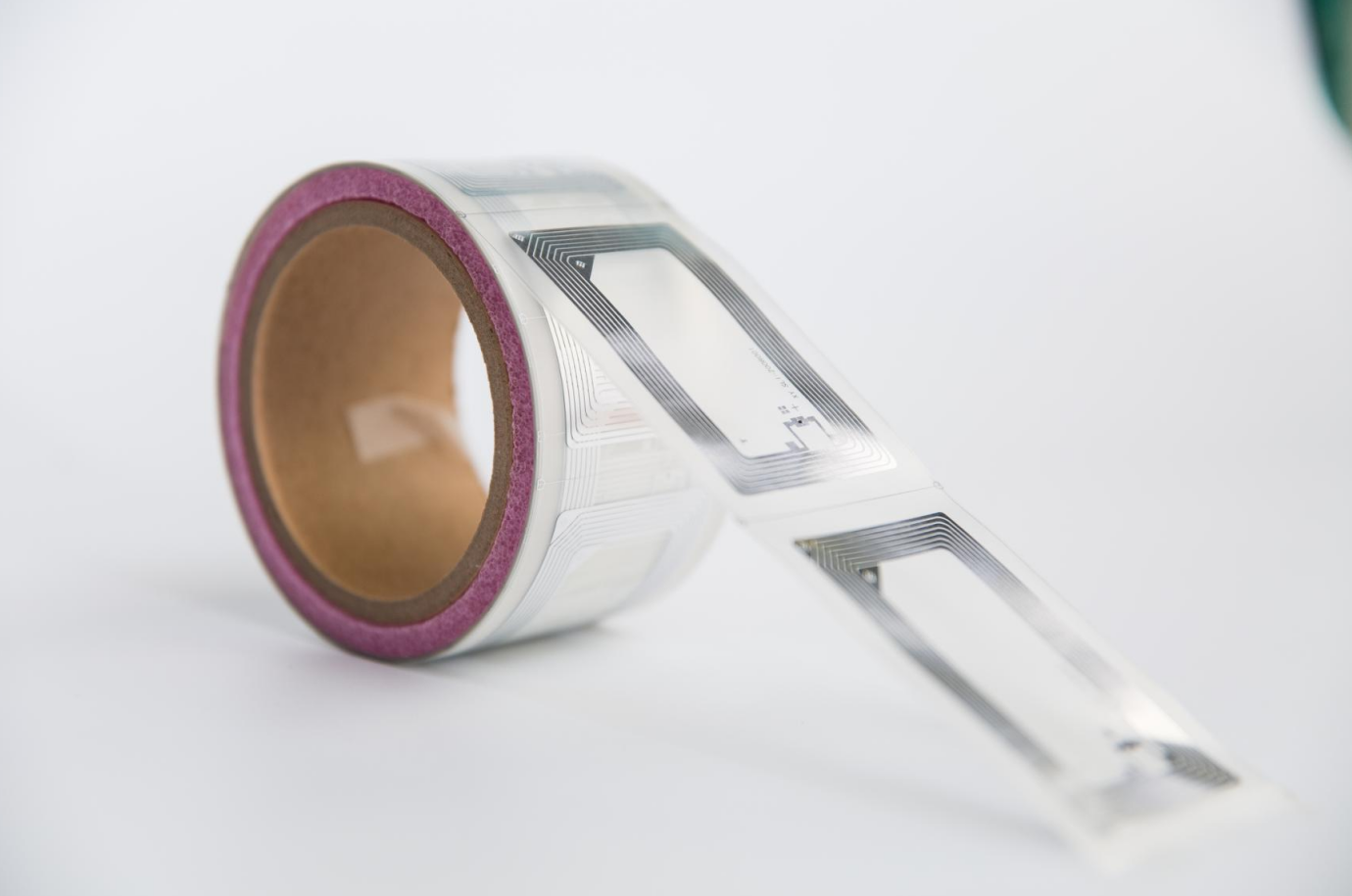
Standard RFID systems promise efficiency, but they often fall short when faced with the quirks of a unique inventory. Warehouses aren’t all clones—some handle perishable goods that demand temperature tracking, others juggle oddly shaped items that refuse to sit still for a scan. Off-the-shelf solutions force your operations into a rigid box, ignoring the reality that every shelf, bin, and workflow has its own rhythm.
Tailoring RFID means starting with the gritty details: the reflectivity of your packaging, the density of your storage racks, and how often items move. A custom approach tweaks tag placement, antenna angles, and reader sensitivity so scans don’t miss a beat. It’s less about slapping on generic hardware and more about weaving the technology into the fabric of your daily routine—like training software to recognize the subtle difference between a freshly stocked carton and one that’s been gathering dust for weeks.
The payoff goes beyond simple accuracy. Customized RFID lets you capture data that actually matters—whether it’s pinpointing bottlenecks during peak hours or automating alerts for items nearing expiration. Instead of wrestling with a system that sort-of works, you end up with a silent partner that adapts as your inventory evolves, keeping chaos in check without needing constant hand-holding.
Real-Time Visibility Without the Guesswork
Stop relying on outdated reports or hunches. Our platform gives you a live, unfiltered look at every moving part of your operation—inventory levels, shipment tracking, production line status, all streaming in the moment. It’s like having a window into your entire workflow, where nothing is hidden or delayed.
The result? You catch snags before they become disasters, reallocate resources on the fly, and always know exactly what’s happening without having to piece together fragmented data. No more second-guessing whether that order went out or if stock is running low—you see it as it happens.
Teams move faster when they share a single source of truth. With everything visible in real time, cross-functional collaboration becomes effortless, and decisions are made with clarity, not guesswork. It’s the difference between navigating with a compass and walking with a blindfold.
Solving Unique Tracking Challenges with ODM Solutions
When standard tracking methods hit a wall, ODM solutions step in to bridge the gap with custom hardware and firmware. Off-the-shelf trackers often fall short in extreme temperatures, irregular form factors, or unique mounting positions. By designing from scratch, ODMs can integrate multi-constellation GNSS, inertial sensors, and cellular modem variants that match specific power and size constraints. This flexibility means tracking devices aren't just an afterthought—they're engineered to fit seamlessly into the asset they monitor, whether it's a pallet in a cold chain, a livestock collar, or a container on a vibrating freight train.
Data delivery and signal reliability present another layer of complexity that generic products rarely address. Environments like underground mining tunnels, dense urban corridors, or remote offshore platforms require more than just GPS. ODM partners can blend LTE-M, NB-IoT, satellite, and even mesh radio protocols into a single unit. They fine-tune antenna design and power management to extend battery life while maintaining connectivity during intermittent network coverage. Beyond hardware, the embedded firmware can apply edge computing to filter noise, compress location data, and decide when to transmit—reducing cloud costs and latency without sacrificing real-time visibility.
Perhaps the biggest overlooked challenge is lifecycle management and compliance. Tracking assets across borders means navigating different certifications (FCC, CE, RoHS) and network operator approvals. ODM providers with in-house regulatory expertise streamline this process, avoiding costly redesigns later. They also plan for long-term component availability, ensuring the device stays in production and serviceable for years. This approach morphs tracking from a one-time gadget purchase into a sustainable, evolving solution that adapts to new cellular standards or regional requirements without starting over.
From Pallets to Individual Items: Precision Tracking
Modern supply chains demand visibility at every stage, but true precision means tracking not just pallets or containers, but each individual item as it moves through the network. This granular approach enables businesses to pinpoint exact locations, conditions, and handling events in real time, dramatically reducing loss and inefficiency.
By shifting from bulk-level monitoring to item-level intelligence, companies gain the power to intervene proactively—whether rerouting a temperature-sensitive shipment before it spoils or verifying the authenticity of high-value goods at any checkpoint. The result is a level of control that turns logistics into a strategic advantage, not just a cost center.
The technology behind this leap includes miniaturized sensors, energy-efficient connectivity, and analytics that filter noise from actionable data. Combined, they transform a once chaotic flow of goods into a transparent stream, where every item tells its own story of movement, environment, and status—from warehouse shelf to final doorstep.
How Custom RFID Cuts Costs and Boosts Efficiency
Off-the-shelf RFID solutions often force businesses to adapt their workflows to the technology, creating friction and hidden expenses. Custom RFID turns that around by aligning precisely with existing processes. For example, a manufacturer can embed tags directly into product molds and configure readers at specific assembly stations, eliminating manual scanning steps entirely. This tight integration slashes labor costs and drastically reduces human error, as items move seamlessly through production without operator intervention.
Beyond upfront savings, tailored RFID systems unlock efficiency gains that generic setups can't match. Custom data protocols allow you to capture only the metrics that matter—whether it's real-time temperature logs for perishables or maintenance alerts for heavy machinery. With intelligent routing based on your floor plan, read accuracy jumps to near 100%, preventing costly mis-shipments and stock discrepancies. The result is a leaner operation where every dollar spent on tracking delivers measurable returns.
FAQ
ODM RFID labels are built from scratch around your exact operational needs—chip selection, antenna design, substrate, and form factor are all tuned to your environment, whereas standard labels force you to adapt your process to their fixed specs.
By embedding tags that survive your specific storage conditions—like metal proximity, liquids, or extreme temperatures—you get consistent reads without blind spots, which off-the-shelf tags often miss.
Yes, a key advantage is engineering the label to withstand chemicals, abrasion, weather, or high-heat cycles; for instance, we can encapsulate the inlay in rugged materials so performance doesn't degrade over time.
It varies with complexity, but a typical custom design-to-sample cycle runs 4–8 weeks, including design reviews, prototyping, and lab testing before pilot production.
It depends on the level of customization, but many projects break even at a few tens of thousands of units; we help you balance initial investment against long-term accuracy gains and labor savings.
We tune the tag to match your reader frequency and protocol, test with your actual hardware setup, and provide test reports showing read range and reliability before full deployment.
Absolutely, we conform to ISO/IEC 18000-6C (EPC Gen2) and can meet sector-specific standards like those for pharmaceutical, aerospace, or retail mandates.
ODM designs are modular by nature; we can often adjust antenna geometry, memory layout, or attachment method in a follow-up iteration without starting from zero, keeping your investment protected.
Conclusion
Switching to custom RFID labels isn't just an upgrade—it's a rethink of how inventory moves and gets counted. Standard off-the-shelf tags force your operation to fit their limits, but ODM solutions turn that around: they're built around the exact contours of your warehouse, your products, even your workflows. That means you're not wasting read range on metal shelving that interferes, or battling tag collisions because the stock-keeping units weren't designed with RF in mind. Instead, every item, tote, and pallet gets a label engineered for its material, size, and handling environment. The result is real-time visibility that isn't diluted by guesswork. You know where things are, not where they were last scanned three hours ago, and that clarity ripples through receiving, put-away, picking, and shipping.
That level of precision stretches from bulk pallets down to individual high-value components, something generic tags rarely handle well. Maybe you're tracking temperature-sensitive pharmaceuticals where a standard inlay fails, or automotive parts that need to survive paint ovens. ODM providers dial in the chip, antenna, and adhesive to match those demands—and in doing so, they eliminate the workarounds that eat into margins. The cost argument writes itself: fewer lost assets, less labor spent hunting for misplaced stock, and faster cycle counts that don't require shutting down operations. Custom RFID doesn't just trim expenses; it changes the rhythm of a business, letting inventory data actually drive decisions instead of lagging behind them.
Contact Us
Contact Person: Esme Mo
Email: [email protected]
Tel/WhatsApp: 0086 191 2931 7837
Website: https://www.osrfidglobal.com/