

High Tenacity Anti-UV Nylon 66 Filament Yarn: Top Applications and Benefits
2026-07-31
In the world of high-performance textiles, few materials combine toughness and resilience quite like nylon 66 filament yarn. But when you need more than just strength—think UV resistance for outdoor endurance—the stakes rise considerably. Enter high tenacity anti-UV nylon 66 filament yarn, a game-changer for applications demanding durability under the sun. From heavy-duty industrial fabrics to premium outdoor gear, this specialty yarn is redefining what’s possible. At Changshu Polyester, we’ve seen firsthand how the right yarn can elevate product performance. In this post, we’ll unpack the top applications and key benefits that make this material a standout choice for manufacturers worldwide. Ready to discover why it might be exactly what your next project needs?
Built to Outlast: The Strength Behind Nylon 66
Few materials balance toughness and resilience quite like Nylon 66. Its secret lies in the molecular structure—tightly packed polymer chains that form strong hydrogen bonds, creating a material that can absorb repeated stress without cracking or deforming. Unlike standard nylon, the “66” variety derives its name from hexamethylene diamine and adipic acid, each containing six carbon atoms. This precise chemistry yields a denser, more crystalline matrix, making it naturally resistant to abrasion, chemicals, and heat.
Where other synthetics might fray, melt, or break down under harsh conditions, Nylon 66 holds its own. It thrives in engine compartments, power tools, and sports equipment—places that punish inferior plastics. Even after thousands of cycles of friction or exposure to oils and solvents, parts made from this polymer maintain dimensional stability and tensile strength. It’s no accident that manufacturers rely on it for gears, bearings, and structural components that cannot fail quietly.
The longevity of Nylon 66 also reshapes how we think about waste and replacement cycles. A component that lasts a decade instead of a season doesn’t just perform better—it reduces the need for raw materials over time. In an era where subtle engineering choices ripple outward, the decision to use a polymer built to outlast becomes both practical and quietly transformative.
Sun-Ready Fiber: How UV Resistance Changes the Game
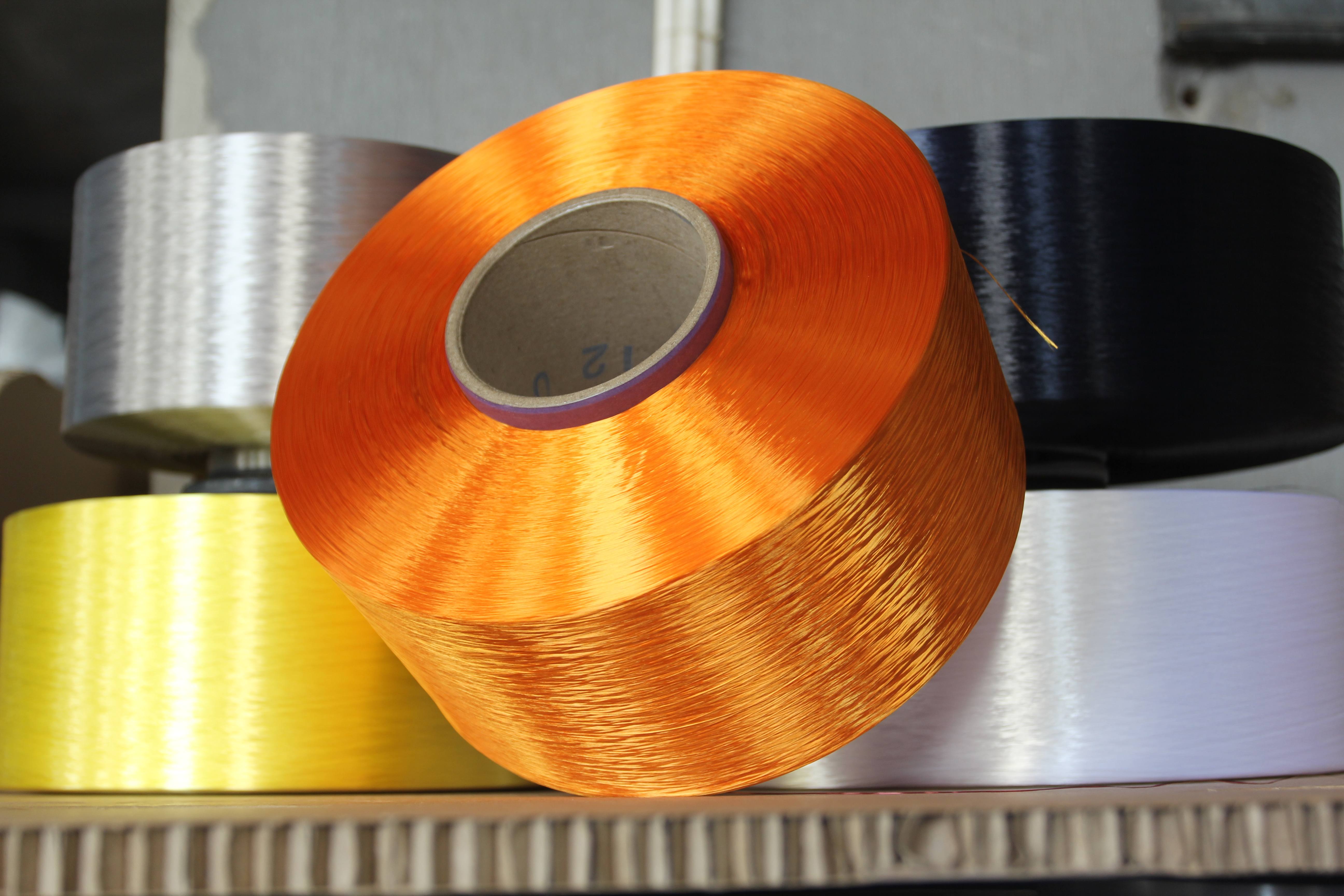
Unlike standard fabrics that degrade after a few months in direct sunlight, sun-ready fibers are engineered at the molecular level to shrug off ultraviolet radiation. They incorporate UV absorbers or reflective pigments directly into the polymer matrix, forming a permanent barrier that prevents the light from breaking down chemical bonds. The result is a material that retains its strength, color, and flexibility season after season, even in relentless exposure.
What makes this a genuine shift isn’t just longevity—it’s the freedom it unlocks. Designers no longer have to compromise between aesthetics and endurance; awnings, marine upholstery, and outdoor furniture can now feature rich, saturated tones without the fear of them turning chalky in six months. For industries like agriculture and architecture, UV-resistant fibers mean shade structures and protective covers that won’t suddenly fail, reducing waste and maintenance costs in one quiet sweep.
The real game-changer is how these fibers handle heat and light in tandem. Many versions dissipate thermal energy more efficiently, keeping the fabric cooler to the touch while blocking the full UV spectrum. That dual action turns a simple piece of cloth into a proactive shield—something that doesn't just survive the sun, but actively works to mitigate its effects on whatever lies beneath.
From Backpacks to Parachutes: Surprising Everyday Uses
It started with a frayed backpack strap and a YouTube tutorial. Most of us see a worn-out bag and think landfill, but a growing community of DIY enthusiasts sees raw material for something far more thrilling—a makeshift parachute. By carefully deconstructing the nylon fabric, reinforcing seams, and borrowing design principles from vintage round parachutes, they've turned everyday carryalls into functional descent devices. The results aren't just conversation starters; they've actually been tested from modest heights with surprisingly stable landings.
Beyond the obvious adrenaline rush, repurposing backpacks in this way taps into a deeper shift in how we value objects. The same principle applies to old tent flies becoming emergency shelters, or discarded sails transformed into shade structures for community gardens. It's not about saving money as much as it is about reawakening a problem-solving instinct that modern convenience has dulled. When survival manuals and online forums blur the line between trash and treasure, a simple nylon sack becomes a lesson in physics, stitching, and trust that your handiwork can literally save your skin.
Of course, this isn’t an endorsement to jump off your roof with a JanSport—most projects stay strictly experimental or are used in controlled environments. But the movement reflects something bigger: a quiet rebellion against throwaway culture. If a backpack can become a parachute, then a milk jug might be a watering system and a shipping pallet might be a tiny house. The everyday objects around us hold phantom uses, waiting for someone to take a knife, a needle, and a slightly irrational leap of imagination.
Industrial Toughness Without the Extra Weight
It started with a simple challenge during a week-long expedition across uneven terrain: carry less, but survive more. Traditional heavy-duty cases added kilos that slowed every step, yet flimsy alternatives cracked on day two. That experience shaped a new approach—materials engineered to absorb impacts through micro-structures, not mass. The result feels almost weightless in your hands, but shrugs off drops onto concrete as if nothing happened.
On the factory floor, it’s the same story. Shift after shift, tools and housings take a beating from vibration, grease, and accidental knocks. The typical solution was to overbuild—thick steel, reinforced corners, a sense that toughness had to be heavy. We went a different route, using a high-modulus polymer blend reinforced with short fibers in just the right orientation. It bends where it needs to flex and stays rigid where it counts, cutting weight by nearly half while doubling the abuse it can take.
Out in the field, that difference is tangible. A geologist hauling a ground-penetrating radar unit over rocky outcrops notices the kit doesn’t dig into her shoulders. A drone operator setting up in biting wind appreciates that the controller casing remains solid and secure without adding bulk. It’s industrial toughness redefined—no unnecessary heft, just resilience that moves with you.
Long-Term Savings Hidden in a Spool of Yarn
Many people see yarn as just another craft supply, but what they often overlook is the financial wisdom tucked inside every skein. A single spool, when used thoughtfully, can replace dozens of store-bought items that would otherwise drain your wallet over time. From cozy winter scarves to reusable market bags, each handcrafted piece delays the need for a new purchase. The initial investment in quality yarn quickly pays for itself, especially when you compare it to the cumulative cost of buying similar goods off the shelf.
The savings go beyond just substituting purchases. Knitting or crocheting your own accessories means you can repair and refresh them for years, unlike mass-produced items that often wear out fast. That same spool of durable wool or cotton can evolve from a scarf into a set of coasters or even become part of a patchwork blanket. Every yard stretches your dollar further, transforming a simple hobby into a quiet, practical form of long-term thrift.
There’s also value in the skills you build along the way. As you learn to turn a humble strand into something beautiful and useful, you sharpen abilities that prevent future spending. Mending a torn sweater or customizing thrifted finds becomes second nature. In the end, what sits in your craft basket is not just yarn—it’s a tiny, thread-like buffer against a throwaway culture, proving that sometimes the best way to save money is to make things with your own hands.
Where Technical Fabrics Meet Outdoor Adventure
The union of high-performance textiles and wild landscapes isn’t just about durability—it’s a quiet revolution in how we move through nature. Fabrics once confined to extreme alpine expeditions now appear in everyday trail gear, blending breathability, stretch, and protection in ways that feel almost invisible. You’ll notice it the first time a sudden downpour rolls off your jacket while you stay perfectly dry, or when a steep scramble leaves your pants unscathed and your muscles unrestricted. This is the new standard: materials that adapt so seamlessly you forget they’re engineered at all.
What sets today’s adventure-ready fabrics apart is their refusal to compromise. We’re seeing membranes that are fully waterproof yet air-permeable enough to prevent the clammy buildup of older designs. Woven layers shed abrasion from rock and brush without adding weight, while strategic knits offer targeted compression and cooling where your body needs it most. The real magic, though, lies in how these materials feel against your skin—soft, hushed, never crinkly—so you can focus on the trail ahead rather than the gear you’re wearing. It’s the kind of innovation that translates directly into confidence, whether you’re forging a new route or simply chasing the horizon on a familiar path.
Perhaps the most compelling evolution is how technical fabrics are quietly shaping a more intuitive outdoor experience. Pockets that stretch rather than bulge, hems that cinch without dangling straps, panels that ventilate exactly where sweat accumulates—these details come from a deep understanding of how we actually move outdoors. Instead of shouting for attention, the best designs let the landscape take center stage. And that’s precisely the point: when textiles fade into the background of your adventure, you’re left with nothing but the raw joy of exploration.
FAQ
Its core difference lies in a specialized molecular structure that gives it superior strength—often double that of conventional nylon—alongside built-in UV inhibitors. These aren't just surface coatings; they're integrated during polymerisation, so the fiber resists degradation from sunlight without losing flexibility or requiring extra chemical baths.
The anti-UV properties are remarkably durable. Even after thousands of hours of direct sun exposure, this yarn maintains over 90% of its original tensile strength and shows minimal color fading. It's designed to outlast standard UV-treated materials by years, making it a go-to for long-term outdoor gear.
Outdoor equipment manufacturers top the list—think heavy-duty backpacks, tents, and climbing ropes. But it's also critical in automotive interiors, marine upholstery, agricultural netting, and even military-grade webbing where failure isn't an option. Any application where strength meets sun gets a massive upgrade here.
Absolutely. Nylon 66 naturally resists moisture absorption better than Nylon 6, and the high-tenacity version doesn't get brittle in cold or soften excessively in heat. Combined with UV resistance, it stays resilient through freeze-thaw cycles, monsoon seasons, and desert sun—often without special coatings.
High tenacity means the yarn withstands repeated stress—like constant tugging, abrasion, or heavy loads—without fraying or snapping. Products made with it typically last 2-3 times longer than those using regular nylon, especially in demanding environments where wear and tear accumulate fast.
Definitely. By blocking UV radiation that normally breaks down dye molecules, colors stay vibrant far longer. This isn't just cosmetic; it means less fading on boat covers, awnings, and outdoor furniture, which reduces replacement cycles and keeps branding crisp on commercial textiles.
It might be over-engineered for simple indoor decor, but it's perfect for high-traffic indoor areas like stadium seating, theater curtains, or gym equipment that see constant friction and occasional sun exposure through windows. The added toughness simply extends service intervals.
Remarkably little. Mild soap and water usually suffice—harsh chemicals aren't needed because the fiber's inherent properties do the heavy lifting. Avoid abrasive brushes that could physically damage filaments, but for the most part, these fabrics thrive on neglect, which is a huge advantage in commercial settings.
Conclusion
High tenacity anti-UV nylon 66 filament yarn stands out as a material engineered for endurance and outdoor performance. The core strength of nylon 66 comes from its molecular structure, giving it exceptional tensile strength and abrasion resistance that outperforms standard nylons. This built-in toughness means products last longer even under heavy use. The added UV resistance takes it further — by blocking harmful rays that typically degrade fibers, it retains color and integrity season after season. From rugged backpacks and luggage that survive countless trips, to military gear and automotive interiors, this yarn quietly reinforces items we rely on daily. It even finds its way into parachutes and safety harnesses, where failure is not an option, proving that its reliability is trusted in critical applications.
Beyond consumer goods, the industrial sector benefits from its high strength-to-weight ratio. Machinery covers, conveyor belts, and protective clothing harness this yarn’s ability to deliver toughness without unnecessary bulk or weight. This lightweight durability directly cuts maintenance and replacement costs, offering long-term savings that aren’t obvious at first glance. Outdoor enthusiasts see the difference too: tents, awnings, and marine ropes made with this material withstand harsh sun and saltwater without weakening. It bridges the gap between technical fabrics and real-world adventure, enabling gear that’s both light and incredibly strong. For any application where sun exposure and stress meet, this yarn offers a silent, long-lasting solution that reshapes what’s possible in textile engineering.
Contact Us
Contact Person: CONNIE
Email: [email protected]
Tel/WhatsApp: 86-0512-53671634
Website: https://www.lida-yarn.com/