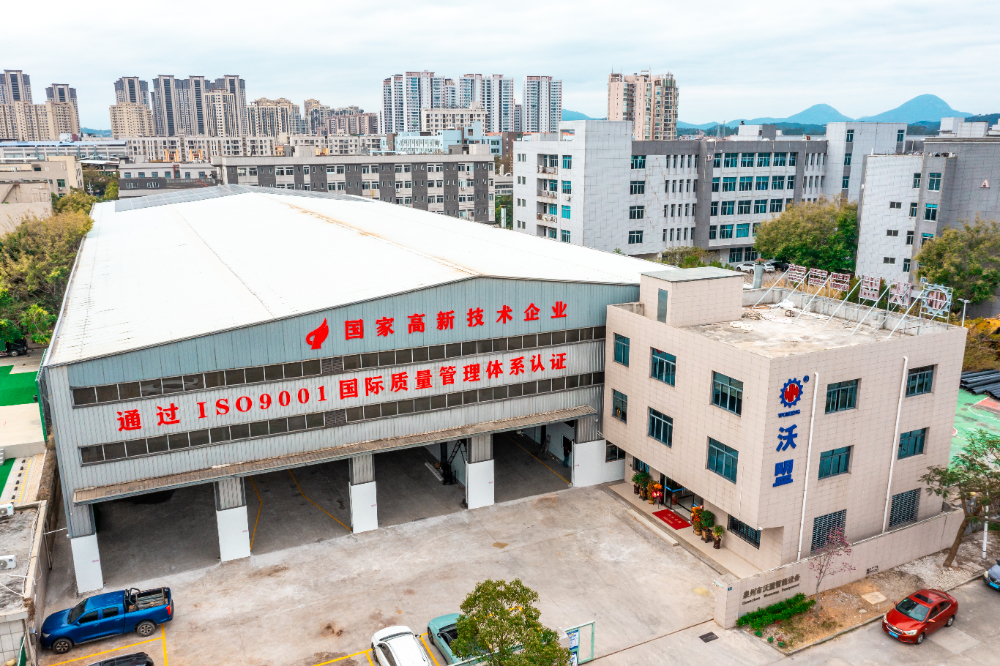

High-Quality Disposable Diaper Machines: Essential Equipment for Modern Baby Care
2026-04-11
In the ever-evolving world of baby care, the demand for reliable, high-quality disposable diapers continues to soar. At the heart of this industry are advanced manufacturing technologies that ensure comfort and safety for little ones everywhere. This blog explores the essential role of cutting-edge disposable diaper machines in modern production lines—highlighting how innovations in efficiency, hygiene, and sustainability are shaping the future of baby care. As we delve into key features and benefits, we’ll also spotlight how Womeng sets new standards with its state-of-the-art equipment, empowering manufacturers to deliver exceptional products. Join us as we uncover the technology behind those everyday essentials and what makes Womeng a trusted name in the field.
Revolutionary Technology in Disposable Diaper Manufacturing
In recent years, disposable diaper manufacturing has shifted from basic absorbency to advanced materials and smart designs. A key breakthrough is the use of superabsorbent polymers (SAPs), which can hold hundreds of times their weight in liquid, making diapers thinner and more effective. This innovation has reduced leaks and increased comfort, allowing for longer wear without bulk.
Another game-changer is the adoption of breathable backsheets that let moisture vapor escape while keeping liquids in, helping prevent rashes and irritation. Combined with wetness indicators that change color when a diaper is soiled, these features have simplified caregiving by providing clear, timely signals for changes.
Moreover, automation and precision engineering in production lines have enabled mass customization, with diapers tailored for different ages, activities, and needs—like overnight protection or eco-friendly options. This tech-driven approach not only enhances performance but also supports sustainability through optimized material use and waste reduction.
Key Features of Top-Tier Diaper Production Equipment
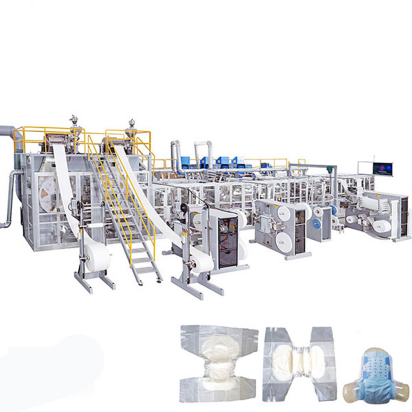
Top-tier diaper production equipment stands out with cutting-edge automation and precision engineering. Unlike standard machines, these advanced systems incorporate high-speed servo motors and real-time monitoring sensors, allowing for seamless adjustments during operation. This reduces downtime and enhances output consistency, making them ideal for large-scale manufacturing without compromising on quality.
Another hallmark is their modular design and flexibility, which supports quick changeovers for different diaper sizes and types, such as adult or baby versions. With intuitive touchscreen interfaces and remote diagnostics, operators can troubleshoot issues swiftly, minimizing disruptions. This adaptability not only boosts efficiency but also caters to evolving market trends and customer demands.
Additionally, sustainability features like energy-efficient drives and material optimization algorithms set premium equipment apart. These innovations help lower operational costs and environmental impact by reducing waste, ensuring that production aligns with eco-friendly standards while maintaining superior performance and durability in the long run.
Efficiency and Sustainability in Modern Baby Care Machinery
In the realm of modern baby care machinery, efficiency and sustainability are increasingly intertwined, shaping a new era of products that cater to both parental convenience and environmental responsibility. Gone are the days when care devices were simply functional; today, they incorporate smart technologies that optimize energy consumption and reduce waste. For instance, baby bottle warmers now feature precise temperature controls and timers to ensure minimal electricity use, while automated diaper systems integrate sensors to dispense only what's needed, cutting down on material excess. These advancements not only streamline daily routines but also reflect a growing consumer demand for eco-friendly solutions that don't compromise on performance.
Delving deeper, the sustainability aspect of these machines often involves innovative materials and design philosophies. Many manufacturers are turning to recyclable plastics, biodegradable components, or energy-efficient motors to lessen the environmental footprint. A standout example is the development of reusable baby food makers that replace single-use packets, promoting waste reduction without sacrificing nutritional quality. Additionally, solar-powered baby monitors and low-power sleep aids are emerging on the market, highlighting how renewable energy sources can enhance product longevity and reduce reliance on disposable batteries. This shift underscores a broader industry commitment to circular economy principles, where products are designed with end-of-life recycling in mind.
Ultimately, the fusion of efficiency and sustainability in baby care machinery is reshaping parental expectations and industry standards. By prioritizing features like multi-functionality and durable construction, these devices offer long-term value that transcends initial cost considerations. As technology continues to evolve, we're likely to see more hybrid solutions that blend AI-driven efficiency with green manufacturing practices, creating a win-win scenario for families and the planet alike.
Customization Options for Disposable Diaper Machines
When it comes to disposable diaper machines, the ability to customize often sets top-tier manufacturers apart, allowing clients to tweak production lines precisely to their market needs. Whether you're aiming for eco-friendly materials or specialty sizes for different age groups, these options empower you to design diapers that stand out on shelves. From adjusting absorbent core layers to integrating unique fastening systems, every detail can be tailored to boost both performance and brand identity.
Beyond basic adjustments, advanced customization might include modular components that let you switch between product types effortlessly, such as adding features for overnight use or sensitive skin. This flexibility not only streamlines operations but also helps businesses adapt quickly to changing consumer trends, ensuring your line stays competitive without requiring major overhauls.
Collaborating closely with your machine provider is key to unlocking these possibilities, as they can offer insights based on real-world applications and technical innovations. By focusing on bespoke solutions, you can optimize output, reduce waste, and create diapers that truly resonate with your target audience, making your investment in machinery a strategic advantage.
Safety Standards and Innovations in Diaper Equipment
In the diaper manufacturing industry, safety standards are paramount to ensure product reliability and consumer trust. These standards encompass rigorous testing for materials, such as non-toxic absorbent cores and hypoallergenic covers, along with strict hygiene protocols during production to prevent contamination. Innovations have further enhanced safety, with advanced sensors integrated into equipment to detect defects in real-time, reducing the risk of faulty diapers reaching the market. For instance, modern machines incorporate automated quality control systems that scan for inconsistencies in size, elasticity, and sealing, thereby minimizing recalls and boosting brand credibility. By adhering to international certifications like ISO 9001, manufacturers not only meet regulatory demands but also foster a culture of continuous improvement in safety practices.
Beyond compliance, innovative technologies are revolutionizing diaper equipment by introducing smart features that elevate safety to new levels. For example, some state-of-the-art production lines now use IoT-connected devices to monitor environmental factors like temperature and humidity, which can impact diaper integrity. This data-driven approach allows for predictive maintenance, preventing equipment failures that might compromise safety. Additionally, the adoption of eco-friendly and biodegradable materials in new equipment designs addresses growing consumer concerns about sustainability, while maintaining strict safety benchmarks. These advancements highlight a shift from reactive safety measures to proactive, tech-enhanced solutions that keep pace with evolving industry needs.
Looking ahead, the convergence of safety and innovation in diaper equipment is poised to drive further breakthroughs. Emerging trends include the use of AI-powered vision systems that can identify microscopic defects invisible to the human eye, ensuring unparalleled product consistency. Moreover, collaborative robots, or cobots, are being integrated into production areas to handle hazardous tasks, reducing worker exposure to risks and enhancing overall operational safety. Such innovations not only streamline manufacturing but also reinforce the industry's commitment to delivering safe, high-quality diapers. By fostering a dynamic ecosystem where standards evolve alongside technological progress, companies can stay competitive while prioritizing consumer well-being, making safety an integral part of the innovation journey.
Benefits of Upgrading to High-Performance Diaper Machines
Upgrading to high-performance diaper machines can dramatically boost production efficiency. These advanced systems are equipped with faster processing speeds and automated features that reduce manual intervention, allowing manufacturers to meet rising demand without compromising on quality. With enhanced precision in cutting and sealing, you'll notice fewer defects and a more consistent product output, which directly translates to higher customer satisfaction and fewer returns.
Another key benefit lies in the operational flexibility offered by modern diaper machines. They can quickly switch between different sizes and absorbency levels, enabling you to adapt to market trends and seasonal changes with ease. This adaptability not only saves time on retooling but also opens up opportunities to expand your product line, tapping into niche markets and increasing overall profitability.
Beyond productivity and versatility, upgrading contributes to long-term cost savings. High-performance machines often incorporate energy-efficient technologies that lower utility bills and minimize waste through optimized material usage. Their robust construction and advanced diagnostics lead to fewer breakdowns and extended lifespans, reducing maintenance expenses over time. This makes the investment in new equipment a smart financial move that pays off through sustained operational excellence.
FAQ
High-quality disposable diaper machines feature precise automation, durable components, and efficient production speeds, ensuring consistent absorbency and comfort for babies while minimizing waste and operational costs for manufacturers.
By producing reliable and hygienic diapers quickly, these machines support the availability of affordable, high-performance products that keep babies dry and comfortable, reducing skin irritation and enhancing overall care convenience for parents.
Key features include advanced sensor technology for material alignment, energy-efficient systems, user-friendly interfaces for easy operation, and robust construction to handle high-volume output without frequent breakdowns.
Automation ensures consistent product quality, reduces human error, increases production efficiency, and allows for faster adaptation to market demands, ultimately leading to better diapers and lower costs.
Modern machines optimize material usage to cut down waste, incorporate eco-friendly options like biodegradable materials, and often have energy-saving modes, aligning with green manufacturing practices in the baby care industry.
Regular maintenance involves cleaning to prevent contamination, lubricating moving parts, calibrating sensors for accuracy, and timely replacement of wear items like seals and blades to ensure long-term reliability and performance.
Yes, they can scale operations efficiently, produce competitive products with fewer defects, and reduce labor costs, making it easier to enter or grow in the market while maintaining quality standards.
They use adjustable settings and programmable controls to switch between sizes and features like wetness indicators or elastic bands, allowing manufacturers to cater to diverse consumer needs without major retooling.
Conclusion
In the world of modern baby care, high-quality disposable diaper machines stand as indispensable equipment, driven by revolutionary technology that transforms manufacturing processes. These advanced systems integrate cutting-edge innovations to enhance production precision and speed, ensuring consistent quality in every diaper. As detailed under key features and customization options, top-tier equipment offers adaptable designs tailored to specific needs, allowing manufacturers to meet diverse market demands while maintaining efficiency. This flexibility, combined with stringent safety standards and continuous innovations, not only boosts operational reliability but also prioritizes infant well-being, making these machines a cornerstone of contemporary childcare solutions.
Contact Us
Contact Person: Jessie Lai
Email: [email protected]
Tel/WhatsApp: 86-188594442931
Website: https://www.wm-machinery.com