
Flower Materials: Which One Is Good for Your Project?
2026-10-14
Choosing between fresh, dried, and fabric flowers can feel like a gamble—wilting petals, crumbly stems, or colors that fade before the event even starts. The right material doesn’t just hold a shape; it changes how your entire project breathes. At PHLEEYA, we’ve watched too many beautiful ideas stall because the flower choice wasn’t matched to the job. This guide breaks down the real differences in texture, longevity, and finish, so you can pick with confidence instead of crossing your fingers.
Why Fresh Flowers Aren't Always the Best Choice
Fresh flowers carry an undeniable charm, but their fleeting nature often works against them. Within a few days, petals begin to droop and colors fade, leaving you with wilted stems that demand immediate disposal. For anyone juggling a busy schedule, the constant need to trim stems, change water, and monitor temperature becomes a quiet chore rather than a joy.
Consider also the hidden environmental toll. Most cut flowers are flown across continents under refrigeration, then wrapped in plastic and foam that rarely gets recycled. A bouquet that lasts a week can leave behind a trail of carbon emissions and landfill waste, making that momentary beauty surprisingly expensive for the planet.
Then there is the question of sentiment. A fresh arrangement says “I thought of you today,” but a preserved or living alternative can whisper “I want this to last.” Dried grasses, potted herbs, or even a small succulent carry a steadier presence, evolving slowly rather than dying abruptly. Sometimes the better choice is the one that doesn’t demand a vase, a deadline, or an apology when it wilts.
The Hidden Cost of Cheap Flower Materials
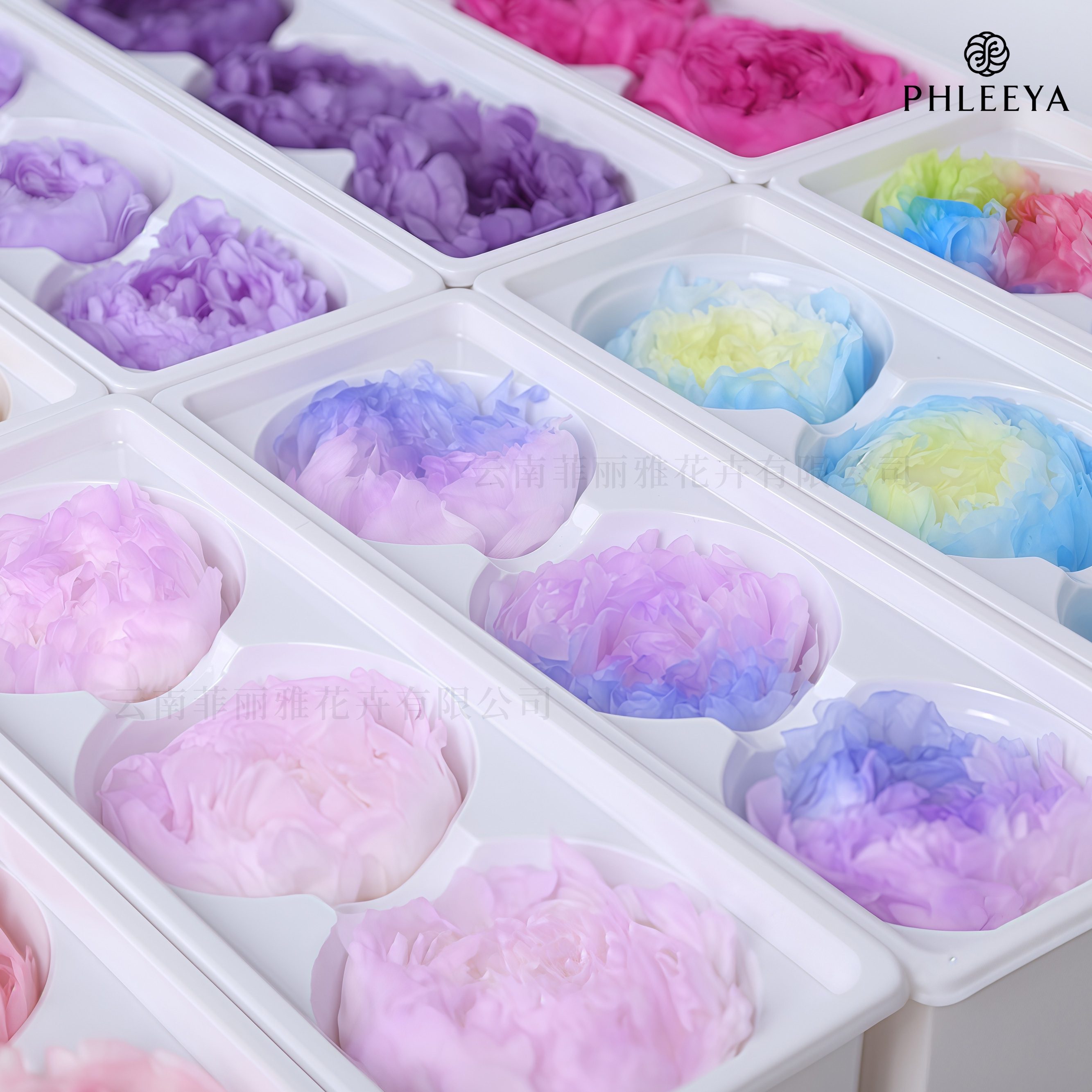
Cheap stems often arrive already tired. Their petals bruise in transit, leaves yellow within a day, and the dye used to brighten them stains your fingers—and the table linen. What looks like a bargain at the wholesale cart becomes a time sink: you trim, re-cut, pluck dead blooms, and still the arrangement wilts before the event ends.
Then there's the aftermath no one mentions. Inferior foam crumbles into dust, wire stems rust inside the vase, and synthetic filler sheds microplastics onto the floor. You end up spending more on replacements, cleaning supplies, and last-minute runs than if you'd chosen mid-range stems from a grower who actually cares about cold-chain handling.
Even the fragrance tells the truth. Cheap roses often carry a faint chemical smell from heavy pesticide use or long storage, while fresh-cut stems release a clean, green scent. Guests may not name it, but they notice. That subtle difference shapes how they remember the space—and your work.
Silk or Dried? Which One Actually Holds Up Over Time
There's a quiet durability test happening on mantels and bedside tables everywhere. Silk flowers start out smooth and vividly colored, but give them a year or two in direct sunlight and the petals can fade to a chalky, strangely brittle version of themselves. Dust also settles into the fabric weave, and no amount of gentle wiping fully restores that fresh-from-the-box look.
Dried blooms, on the other hand, age differently. They may shed a few petals in the first month, but after that they stabilize into something with an honest, earthy character. The color shift isn't a failure—it deepens into antique golds, rusts, and muted browns that many people actually prefer. The stems can become a bit fragile, but they're easy to handle if you keep them away from high-traffic spots.
So which one actually wins over the long run? If you want zero maintenance and visual consistency, silk might seem appealing, but its decline is often more noticeable and less graceful. Dried arrangements embrace imperfection, settle into their surroundings, and often end up feeling more like a permanent part of the room rather than a temporary decoration.
Matching Materials to the Mood You Want
Think about the last time you walked into a room and instantly felt at ease. Chances are the materials around you had a lot to do with it. A rough-hewn wooden table, a soft wool throw, or a cool stone floor each sends a subtle signal to your brain, shaping the emotional tone of the space. Matching materials to the mood you want isn't about following a rulebook—it's about paying attention to how textures, temperatures, and surfaces make you feel on a gut level.
Warm, porous materials like unfinished wood, cork, or woven rattan tend to invite relaxation and conversation. They have a slight give, an organic irregularity that reads as human and comforting. On the opposite end, polished metal, glass, and honed concrete create a sense of order and clarity. They reflect light cleanly and leave no room for sloppiness, which can feel energizing or even a bit severe depending on how they're balanced. Then there are the soft mediators—linen, boucle, velvet—which muffle sound and absorb touch, making a space feel safe and intimate without being overly rustic.
The trick is to use contrasts deliberately rather than defaulting to one family of materials. A sleek marble countertop against a nubby jute rug keeps a kitchen from feeling cold, while a single rough clay vase on a glass shelf can stop a minimalist room from tipping into sterility. Pay attention to how light hits each surface too: satin finishes diffuse a soft glow, while high-gloss surfaces throw sharp highlights that feel more dynamic. Start with the mood you're after—calm, focused, playful, refined—and let the materials you choose be the quiet accomplices in creating that emotional backdrop.
The Overlooked Detail That Makes or Breaks a Floral Project
Most people focus so hard on choosing the right blooms and arranging them into a pleasing shape that they forget the single most decisive factor in a floral project's success: the quality of the water and the condition of the stems beneath the surface. You can spend hours perfecting the color palette or the placement of every focal flower, but if the stems are crushed, the water is cloudy with bacteria, or leaves are left to rot below the waterline, the arrangement will start wilting within a day—no matter how beautiful it looked at first.
This hidden detail—what professionals call "stem care"—is what separates a floral design that lasts a week from one that collapses overnight. After you finish arranging, take a moment to strip every leaf that would sit below the water level, recut each stem at a sharp angle while holding it underwater, and replace the vase water every single day. It seems tedious, but it's the difference between a project that feels alive and one that feels like a photograph of what could have been.
Choosing Materials for Small Arrangements vs. Large Installations
For a small arrangement like a bedside posy or a slender bud vase, material choices hinge on proximity. The eye lands close enough to catch the veining in a single ranunculus petal, the fuzz on a lamb's ear leaf, or the way a spray of waxflower curls. Lighter stems with delicate necks—sweet peas, fritillaria, heirloom narcissus—hold their own without needing structural bulk. You can afford a few stems of something precious, like garden roses or a rare fern frond, because the total count stays low. Heavy branches or oversized foliage would swallow the composition or topple the vessel.
Large installations flip the logic. A ceremony arch, a suspended cloud of blooms, or a staircase runner demands materials that read from twenty feet away and survive hours of handling. Sturdy branches like curly willow or dogwood create the armature, while big-headed blooms—hydrangea, football mums, king protea—fill visual space fast. You lean on volume fillers such as ruscus, salal, or seeded eucalyptus to build mass without breaking the budget. Delicate stems get lost or snap under their own weight; instead, you want materials that tolerate being wired, taped, or slotted into foam and chicken wire.
There is also a practical split in how you buy and prep. Small work lets you grab a few stems from the market on a whim, condition them in a single bucket, and compose in minutes. Large work means ordering by the bunch or case, dedicating a garage or studio floor to processing, and building in layers over a day or more. The same flower can serve both scales if you adjust expectations: a carnation might be a supporting note up close, but in quantity it becomes a cost-effective color block for a backdrop. Match the material's durability and visual weight to the distance it will be viewed from, and you avoid both flimsy big pieces and clunky small ones.
FAQ
You’ve got fresh blooms, dried flowers, preserved or everlasting ones, silk and fabric flowers, plus paper or wood varieties. Each handles differently in terms of lifespan, texture, and how much care they demand.
Go with dried or preserved stems. They won’t wilt on you, hold their shape without water, and still give that organic feel without the stress of keeping them fresh.
Not always. Fresh flowers bring fragrance and life, but they’re fragile, temperature-sensitive, and fade fast. If your event runs long or the space is warm, a high-quality silk or preserved mix can look just as good while staying intact.
Dried flowers are naturally air-dried, so they get a rustic, slightly brittle texture and muted tones. Preserved flowers go through a glycerin treatment, keeping them softer, more flexible, and closer to their original color.
Mix faux stems with a few dried accents. Silk flowers have come a long way—they’re not the shiny plastic things from years ago. You’ll get durability and a full look without paying premium fresh prices every week.
Absolutely. In fact, that’s where the magic happens. Try fresh focal blooms with dried grasses, or preserved roses with paper foliage. Blending textures gives your piece depth that a single material can’t match.
Dried or preserved flowers are forgiving—no water, no wilting, and stems are easy to wire. Silk can be great too since you can bend and reshape without damage. Fresh requires the most timing and care.
Skip anything that stains or melts. Dried and preserved handle sun and heat better than fresh, but for real weather resistance, go with UV-treated faux flowers. They’ll keep their color through wind and light rain.
Conclusion
Choosing the right flower materials often comes down to being honest about how the arrangement will actually be used. Fresh flowers are lovely for a single evening, but they wilt, shed, and demand constant water—hardly ideal for a week-long event or a piece meant to be kept. Cheap imitations might save a few dollars at first, yet their faded colors, plastic sheen, and flimsy stems quickly reveal the real price you paid. When comparing silk and dried options, the decision isn't just about looks: high-grade silk can stay vivid for years in a bright room, while dried stems bring a rustic, muted texture but become brittle and dusty over time.
That choice should also match the emotional tone you're after—soft, romantic settings lean toward silk peonies or preserved roses, while dried grasses and seed pods suit earthy, minimalist spaces. One detail many people overlook is how the materials interact with the container and surrounding light; a glossy synthetic bloom under harsh spotlights can look artificial, whereas a matte dried stem in a ceramic vase feels organic. Scale matters too. Small bud vases allow you to splurge on one or two realistic stems, but large installations need bulk-friendly materials that won't collapse under their own weight or blow the budget. In the end, the best material is the one that survives the specific conditions of your project and still looks intentional a month later.
Contact Us
Contact Person: Mr. Luo
Email: [email protected]
Tel/WhatsApp: 86 18100895505
Website: https://www.feiliyaflowers.com/en/