
Dongba Culture Immersion at Yushui Village: A Unique Cultural Experience
2026-07-19
Step into the heart of Dongba culture at Jade Water Village, where ancient Naxi traditions come alive against a backdrop of pristine nature. Far from typical tourist trails, this hidden sanctuary offers an intimate encounter with shamanic rituals, pictographic scripts, and timeless wisdom—all while immersing you in the profound spiritual heritage that still pulses through every stone and stream. Prepare to be transported into a world few have truly discovered.
Stepping Into a Living Dongba Sanctuary
The Dongba culture is not a relic behind glass—it breathes in the mountain villages of Lijiang, where the Naxi people still chant ancient scriptures, carve pictographs into wooden tablets, and honor the spirits of wind, water, and stone. To step into this sanctuary is to cross an invisible threshold into a worldview that predates modern borders, one where every tree and stream has a name in a script older than memory.
Here, Dongba priests, known as "wise men," serve as living bridges between the mundane and the divine. They do not simply recite rituals; they interpret dreams, heal with herbs and incantations, and guide souls through the labyrinth of life and death. You might sit with a priest in a sunlit courtyard, watching his brush dance across thick paper as he draws the symbols for love, storm, or mountain—each stroke a story, each character a universe.
The sanctuary is not a museum but a home. In the smoky kitchens and terraced fields, the Naxi weave the sacred into the everyday: a morning prayer before planting, a harvest dance under the full moon, a quiet offering at the village shrine. For a visitor, it’s an invitation not just to observe but to feel the pulse of a tradition still very much alive, shaped by hands that have held the same rhythms for centuries.
Decoding the Symbols of the Last Pictographic Script
Each stroke in this script carries a story, merging image and meaning in ways that alphabets cannot replicate. A mountain isn’t just a word—it’s a peak sketched from memory, with ridges that echo the terrain they name. The script resists abstraction, holding onto the visual core of human experience. To read it is to step into a world where writing isn’t a code for speech but a direct map of perceived reality.
What makes these symbols so stubbornly pictorial is their evolution outside the mainstream of phonetic simplification. While most systems drifted toward phonetic efficiency, this one folded new layers into its characters—blending elements to hint at sound, category, and nuance all at once. A symbol for 'river' might combine water with flowing motion, creating a silent poem in miniature. Decipherment demands not just linguistic skill but a willingness to see like the ancient scribes did.
The challenge today lies in separating conventionalized meaning from the traces of original perception still embedded in each sign. Scholars debate where a line ends and a metaphor begins, especially in composite characters that fuse the mundane with the sacred. Every interpretation becomes a negotiation between what the eye recognizes and what the mind infers—a puzzle where the answer shifts with the angle of inquiry.
Rituals and Blessings by the Dragon Spring
Beside the moss-covered stones of the Dragon Spring, villagers gather each morning as the first light brushes the water’s surface. Cup your hands beneath the cascade and let the cool stream carry away the weight of restless nights. It’s said that the spring holds the breath of an ancient serpent, and those who drink with closed eyes will receive a vision—a flicker of what they need most, not always what they want.
At the turn of the season, elders tie strips of crimson cloth to the overhanging branches, each knot a whispered hope for health or harvest. Strangers are welcomed to add their own, the frayed edges catching wind like silent prayers. If the cloth unties itself and drifts downstream, it’s taken as a sign that the blessing has been received far beyond the valley. No one rushes to retrieve it.
Children are taught to bow three times before stepping away: once for the water’s patience, once for the dragon’s memory, and once for the earth that hides its secrets. The ritual feels less like worship and more like an old conversation, continued across generations, as the spring never stops listening.
Crafting Sacred Paper with Ancient Techniques
In a quiet corner of a mountain village, the art of making sacred paper still follows rhythms set down centuries ago. The bark of the paper mulberry tree is harvested only in winter, when the sap is low and the fibers are at their strongest. It’s soaked in cold mountain streams for days, then cooked gently with wood ash to loosen the bond between fiber and lignin. The pulp is beaten by hand on flat stones, each strike measured—too hard and the sheets will be brittle, too soft and they’ll lack the strength needed to hold ink for prayers and sutras.
The transformation from pulp to paper is almost meditative. A bamboo screen is dipped into a vat of cloudy water and fiber, then lifted in a single fluid motion. The thin layer of pulp that clings to it will become a sheet, but only if the hands are steady and the mind is clear. There’s no rush; each sheet is couched onto a stack, pressed under stones overnight, and then brushed onto sun-warmed boards to dry. The texture is never uniform—subtle variations mark each piece as unique, a quiet testament to its handmade origin.
Such paper doesn’t merely carry words; it holds intention. Monks and calligraphers prize it for its absorbency and soft resilience, qualities that come from the unhurried process and the purity of materials. No chemicals, no machines—just water, fiber, and skill passed through generations. It’s why these sheets often outlast the centuries, their fibers slowly yellowing but never crumbling, still whispering the sacred texts they were made to bear.
Echoes of the Naxi Orchestra in the Valley
Morning mist still clings to the rooftops of Lijiang’s old town when the first notes drift from a worn stone courtyard. The Naxi Orchestra doesn’t simply perform—it breathes life into instruments silent for centuries in mountain villages. A seven-hundred-year-old pipa, its lacquer cracked like dry riverbeds, hums under the fingers of a musician who learned these melodies from his grandfather. There’s no conductor, no sheet music; the rhythm is passed through glances and the subtle lift of an eyebrow, a language older than the cobblestones underfoot. The sound is unhurried, almost ceremonial, rising and falling like the wind that funnels through the Jade Dragon Snow Mountain passes. Tourists fidget on wooden benches, expecting theatrics, but the orchestra offers something rarer: a stillness that settles deep into the bones.
What captivates isn’t virtuosity in the Western sense—there are no cascading arpeggios or dramatic climaxes. Instead, each piece unfolds like a scroll painting, revealing layers of tone and silence. The sheng exhales chords that seem to linger in the air, while a single strike of the yunluo gongs rings out with the clarity of temple bells. Sometimes a vocalist chants verses from Tang dynasty poems, his voice weathered but steady, tracing melodies preserved through dynastic upheavals and cultural revolutions. The orchestra survived because elders hid instruments under floorboards and taught grandchildren in whispers. Now those grandchildren are grey-haired themselves, but the tradition carries on with a quiet defiance that has nothing to do with preservation and everything to do with identity.
When the final note fades, the courtyard feels altered, as if the music has rearranged some part of the listener. People linger, reluctant to break the spell, watching the musicians pack away their instruments with the same reverence they’d shown while playing. Beyond the valley walls, the modern world hums with traffic and notifications, but here the echoes remain. You leave with the sense that you’ve witnessed not a concert but a transmission—a thread of sound linking the present to a time when music was inseparable from the landscape itself.
Savoring the Tastes of a Mountain Culture
Mountain cooking is an honest affair, built on what the terrain offers and the seasons dictate. It’s not about elaborate presentation but about flavors that speak of stone and soil, forest and stream. In these high-altitude kitchens, you might find a simple stew of wild herbs and root vegetables, thickened with barley or cornmeal, its warmth seeping into you as surely as the mountain mists seep into the valleys. The ingredients are rugged and unpretentious: foraged mushrooms with names like penny bun and chanterelle, tiny bilberries that stain your fingers purple, and game that roams the slopes—venison, wild boar, or mountain hare. Each bite carries a memory of the landscape, a sense of place that no modern supermarket can replicate.
Preservation is key in a world where winters are long and supplies scarce. Walk into any mountain hut and you’ll see the evidence: strings of dried apples and pears dangling from rafters, clay pots filled with cheese ripening in cool cellars, smoked sausages and cured hams hanging in the chimney smoke. Fermentation and pickling are arts passed down through generations, turning humble cabbages into tangy krauts and milk into sharp, crumbly cheeses that taste of high pastures. The rhythms of life here revolve around the food calendar—spring brings wild garlic and tender nettles, summer yields berries and soft fruits, autumn is for gathering nuts and mushrooms, and winter is the season of preserved riches, when the pantry sustains body and soul.
To truly taste mountain culture is to sit at a rough-hewn table with locals who treat you not as a customer but as a guest. The food comes served on mismatched plates, often accompanied by tales of how the cheese was made or which slope yielded the mushrooms. There’s a sense of continuity, of recipes that have survived because they work—dishes that fill stomachs and warm hearts in equal measure. It’s not just sustenance; it’s a conversation between the land and those who live on it, a narrative told in butter, bread, and broth. And when you leave, the tastes linger, a quiet reminder that the simplest meals, rooted in tradition and terrain, are often the ones we remember longest.
FAQ
It's not just a museum—it's a living village where Naxi shamans still practice rituals, and you can watch them write sacred Dongba script on bark paper.
Absolutely. You'll sit beside local artisans, grind plant fibers into paper, then learn to paint pictographs with bamboo brushes—your creation becomes a personal souvenir.
Depending on the lunar calendar, you could see a soul-calling rite or a nature-worship ceremony, complete with chanting, drums, and offerings to mountain gods.
Tucked against Jade Dragon Snow Mountain, the village uses spring-fed streams for rituals—the waterfall backdrop makes every chant feel like it echoes centuries.
Yes, the hands-on workshops and storytelling sessions make it approachable for all ages, you don't need a background in ethnography to enjoy it.
Many are surprised to learn that Dongba priests still serve as healers and mediators in nearby Naxi communities, bridging ancient beliefs with modern life.
You can arrange homestays; dinner might include yak-butter tea and baba bread, followed by fireside tales about Dongba heroes.
Conclusion
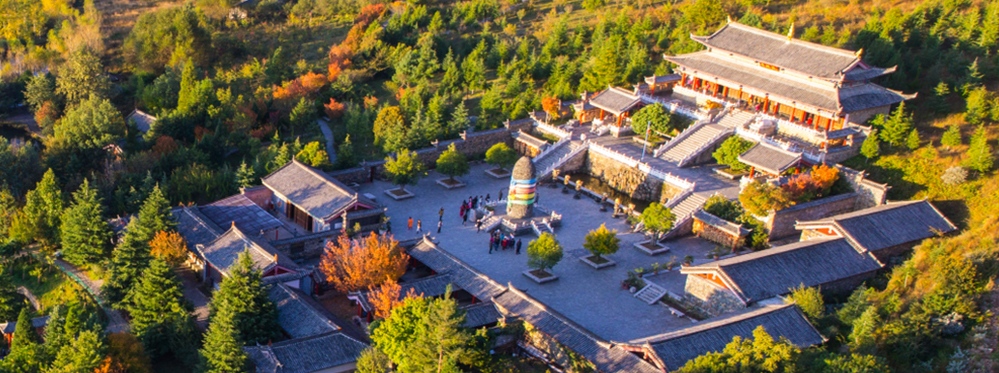
Stepping into Yushui Village feels like wandering into a living museum where every stone, stream, and carved totem holds a story. The Dongba shaman greets visitors not with rehearsed speeches but with a quiet nod, already tracing symbols onto a piece of bark—the last remnant of a pictographic language that still breathes here. I found myself crouching beside him, trying to decipher the stylized sun, the curling snake, the human figure that meant "blessing." This is not a script locked in archives; it’s a living code that adorns the village walls, prayer flags, and even the local brew labels. As we walked toward the Dragon Spring, the sound of rushing water mingled with the Naxi orchestra’s melancholic pipes, and an elder invited us to witness a ritual—a simple offering of rice and tea, yet somehow it felt like a direct line to the mountains’ ancient spirit. The Dongba way isn’t just observed; it pulls you in, asking you to taste, touch, and listen in ways that modern guides never do.
Venturing deeper, I got to grind bark fibers for the sacred paper, learning how each sheet carries the texture of the forest. The process is meditative, a artisanal counterpoint to the digital scroll. Later, seated on wooden benches under a canopy of stars, the Naxi musicians played their song of the valley, a sound so resonant it seemed the mountains themselves were humming along. The day ended around a fire, sharing mountain-style hot pot with locals who insisted I try the smoked pork and bean paste prepared according to centuries-old recipes. It’s easy to call Yushui Village a "cultural experience," but that feels hollow. It’s more like an immersion into a philosophy where nature, language, and ritual are braided so tightly that you leave questioning the fragmented way you’ve been living. Among the Dongba, I didn’t just learn—I felt what it means to belong to a place.
Contact Us
Contact Person: Changhong He
Email: [email protected]
Tel/WhatsApp: 086-0888-5190152
Website: https://vip.e-baixing.com/ysh