

Custom Staff Chair Designs That Improve Comfort and Productivity in the Workplace
2026-11-22
Most office chairs are chosen for the room, not the person sitting in them. That mismatch becomes harder to ignore when a team spends eight hours a day at a desk. Custom staff chair designs can boost comfort and focus, but the details make the difference—cheap padding and a few extra levers won't do it. In this guide, we break down which ergonomic adjustments actually support productivity and how OFCJNS builds staff seating around real work habits instead of generic averages.
Where Standard Task Chairs Tend to Undermine Focus
Most standard task chairs are built around a fixed idea of sitting, not around the way attention actually drifts during long work blocks. The seat pan stays flat, the backrest barely moves with your spine, and after an hour the body starts searching for relief instead of staying with the task. That low-grade physical irritation quietly consumes attention before it ever shows up as obvious discomfort.
Another issue is the mismatch between arm support and desk height. When armrests sit too high or too far forward, shoulders creep up and the neck stiffens, which makes screen reading feel more effortful than it should. A chair that fights small shifts in posture turns those shifts into interruptions, pulling focus away from decisions and back toward the body.
There is also the problem of sameness. Standard chairs tend to hold people in one narrow upright position, so circulation slows and mental energy dips earlier in the afternoon. Without meaningful movement, focus becomes harder to sustain, and the chair itself becomes a reason the mind starts wandering.
Matching Seat Depth and Tilt to Real Work Rhythms
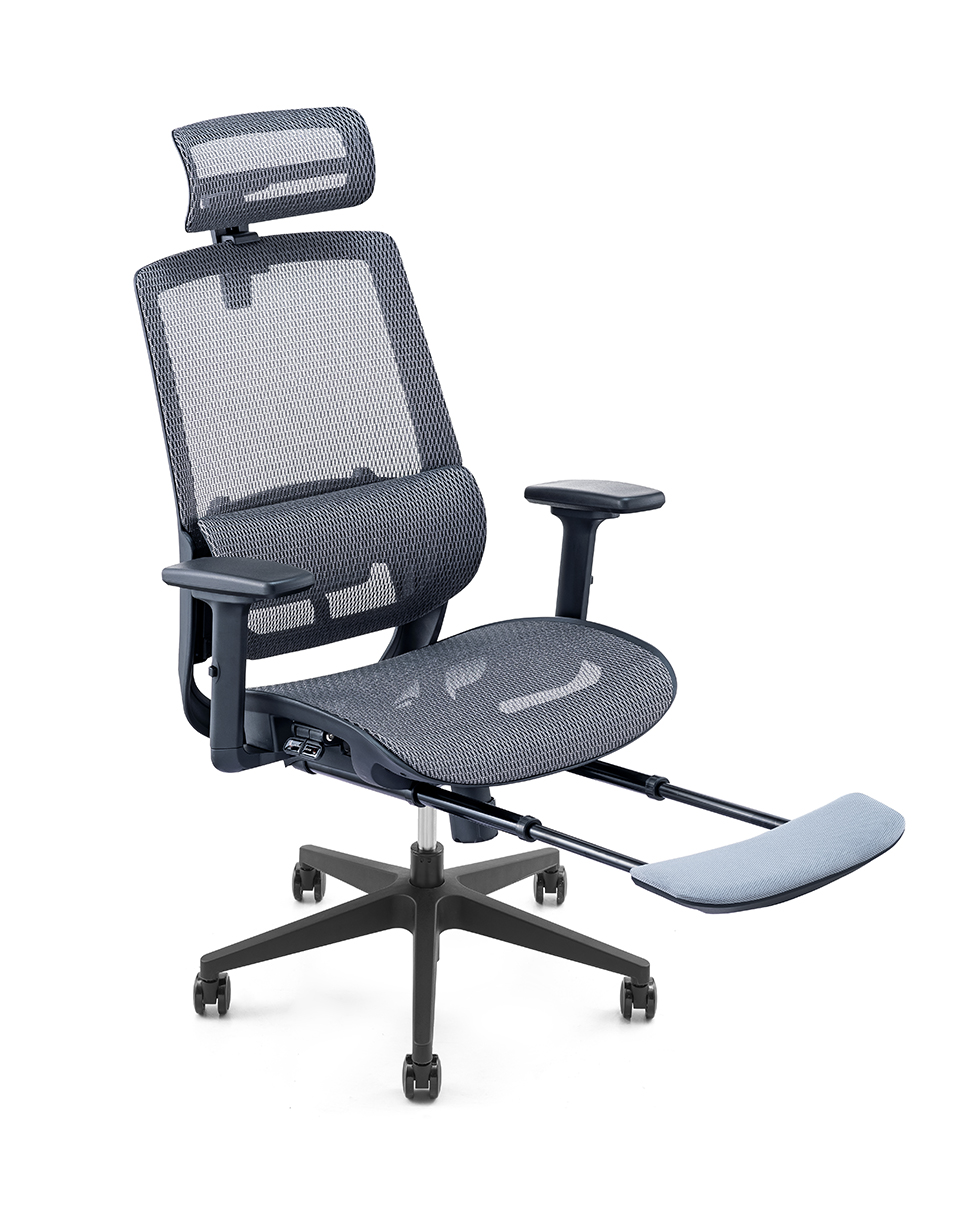
A fixed seat depth assumes you sit the same way all day, but nobody actually does. In the morning you might perch forward to clear emails; by mid-afternoon you are leaning back on a call or sliding down slightly to think. Seat depth that adjusts without forcing you to stop and fiddle keeps your thighs supported without pinching the back of your knees during those small posture shifts.
Tilt works best when it follows the task instead of fighting it. Light resistance lets the chair move with you when you reach for a file or turn toward a second screen, while a firmer setting gives enough support for focused keyboard work. The point is not to lock one angle, but to let the chair disappear as your work rhythm changes through the day.
Getting the combination right usually takes a few days of small adjustments rather than one perfect setup. Start with feet flat and a depth that leaves about two fingers of space behind the knee, then vary the tilt tension until leaning back feels natural without making you push. Once that baseline is set, the chair should accommodate your rhythm instead of demanding you sit still.
Lumbar Support That Responds Before Discomfort Settles In
Most lumbar supports only react after stiffness has already crept into the lower back. This one reads the small shifts in pelvic angle and spinal posture as they happen, adjusting its contact surface before pressure has a chance to build into a dull ache.
Instead of relying on slow memory foam, it uses a segmented flex structure that redistributes load away from a single spot. The result is a steady, subtle movement under the spine that keeps the natural curve intact without forcing you to sit perfectly still.
On long drives or desk-bound afternoons, the support feels less like a cushion and more like a quiet counterweight. It does not wait for you to notice the strain; it changes first, so the usual tightness never fully arrives.
Why Breathable Fabric Choices Outperform Extra Cushioning
Most people assume that adding more foam or padding is the surest way to improve comfort, but that logic falls apart the moment you spend a few hours in a warm room. Extra cushioning tends to trap heat and moisture against the skin, which eventually makes you feel clammy and restless. In contrast, breathable fabrics allow air to circulate continuously, pulling sweat away before it can build up. That steady airflow helps regulate your body temperature without the need for excessive bulk, so you stay cooler without sacrificing the softness you expect from a well-made product.
There is also a practical side that gets overlooked: breathable materials often last longer under real-world use. When cushioning absorbs moisture over time, it can break down, flatten unevenly, or develop an unpleasant odor that is hard to eliminate. A fabric designed to let moisture escape tends to dry faster and resist that slow degradation. Instead of relying on thick layers to mask discomfort, the design works with your body's natural cooling process. The result feels less like sitting on a pillow and more like being supported by something that quietly adapts to you.
What makes breathable choices stand out is how they perform across different seasons and settings. In summer, they prevent that sticky, overheated feeling that dense padding usually creates. In cooler months, they pair well with a light throw or layer without causing a sudden spike in temperature. You are not locked into one level of warmth or softness. That flexibility is hard to achieve with extra cushioning alone, which tends to feel either too hot or too firm after a while. By prioritizing airflow over thickness, you get a cleaner, more consistent experience throughout the day.
Small Adjustment Ranges That Prevent the Late-Day Energy Drop
The late-afternoon drop rarely shows up because of one careless choice. More often it comes from a handful of small ranges drifting just far enough to matter: a lunch that leans a little too heavy on fast carbohydrates, a second coffee after the point when your body can still clear it easily, or a work block that runs long past the moment it stopped being useful. Each carries a modest cost by itself, but together they make the post-lunch fog feel inevitable.
Pulling those ranges back is more effective than redesigning an entire schedule. Eating the main meal twenty or thirty minutes earlier, keeping the afternoon caffeine cutoff earlier than you think you need, and steering snacks toward a rough balance of protein and fiber can do more than a rigid afternoon routine. These are not exact numbers; they work because they stay inside a workable band instead of swinging between extremes.
Movement and light help most when they arrive in short, repeatable doses. Standing up every forty-five to sixty minutes, taking a five-minute walk after lunch, or stepping outside while the sun is still bright can reset attention without interrupting flow. The idea is to keep several modest variables within a comfortable range so the late-day dip never gets enough momentum.
Custom Finishes That Keep the Workspace Feeling Cohesive
The cohesion of a workspace often comes down to decisions that never announce themselves. Matching the warmth of a millwork panel with the sheen on a desk return, or carrying the same brushed graphite tone across cabinet pulls and monitor arms, makes the room feel intentional rather than assembled. These finishes don't need to match exactly; they need to share a visual language.
Custom work gives you that control. Instead of settling for stock white grommets against a walnut surface, you can specify edge banding that reads as part of the grain, or powder-coat a cable tray to disappear into a charcoal wall. Small shifts like these keep the eye from snagging on mismatched details, which is often what separates a calm office from a noisy one.
The goal isn't uniformity for its own sake. A mix of matte and low-sheen surfaces can add depth without breaking the thread, as long as the undertones stay consistent. When every finish decision references the same material palette, the workspace holds together even as teams rearrange desks, add storage, or bring in new equipment.
FAQ
A custom chair is built around the actual tasks, body sizes, and movement patterns in a specific workplace. Instead of forcing everyone into the same shell, it adjusts seat depth, lumbar placement, and armrest range to match real users. For example, a receptionist who stands and sits repeatedly may need a shorter seat pan, while a programmer benefits from firmer lower-back contact during long focus sessions.
When employees are not constantly shifting to relieve pressure in their hips or lower back, they lose fewer minutes to discomfort. A chair that supports a neutral posture keeps breathing easier and reduces the mental drain that comes from physical strain. The result is longer periods of stable attention, especially during the mid-afternoon slump.
Adjustable seat depth, independent lumbar support, and armrests that move in multiple directions usually matter more than thick padding or a striking silhouette. Seat depth is especially overlooked: if the front edge presses into the back of the knees, circulation suffers, and if it is too short, the thighs lose support.
Yes, because fatigue often comes from static loading on the spine and legs. A tailored chair distributes weight more evenly, allows small posture changes, and supports the pelvis without locking it in place. Many workers notice less heaviness in the shoulders and calves by the end of the day.
There is a practical link. Poor seating can aggravate existing back, neck, and hip complaints, which then lead to sick days or lighter duties. When a company invests in chairs that fit the staff properly, it often sees fewer musculoskeletal complaints, though seating alone is never the whole story.
A short anonymous survey helps, but watching how people actually sit tells you more. Note whether they perch on the edge, cross one leg, or lean forward for long stretches. Then have a small group test prototypes for at least a week, because a chair that feels good for five minutes may fail after four hours.
They do, but looks should support the workspace rather than drive the decision. Color, stitching, and frame finish can make a chair feel like part of the office identity and increase acceptance of the new furniture. A chair that looks thoughtful also signals that the company took the investment seriously.
Buyers often focus heavily on lumbar support and forget seat depth and armrest adjustability. Another mistake is letting one manager choose based on personal preference while ignoring body diversity and task variety. Chairs with limited adjustment ranges tend to fit only a narrow group of users.
Conclusion
Most off-the-shelf task chairs treat sitting as a fixed posture rather than a shifting pattern of attention. A seat that is slightly too long presses against the back of the knees and encourages slouching, while a short or steep tilt forces the body to brace instead of settle. Custom staff chair designs address this by matching seat depth and tilt to the actual rhythm of desk work, allowing small forward leans during calls and deeper recline during reading or review. The lumbar support is tuned to engage before fatigue registers, not after lower back strain has already set in. That subtle responsiveness keeps the spine aligned through long stretches without the constant manual adjustment that breaks concentration.
Material choices also shift the outcome more than extra padding ever could. Breathable fabric pulls heat and moisture away from the back and seat, which matters far more than plush cushioning after the third or fourth hour. Chairs built with narrow, purposeful adjustment ranges prevent the late-afternoon energy drop by making it easy to find a neutral position and return to it after standing or moving. Custom finishes, from frame color to upholstery tone, tie these practical features into the broader workplace without turning the chair into a design statement. The result is a chair that fades into the background while quietly supporting sharper focus and steadier output.
Contact Us
Contact Person: Diff Wang
Email: [email protected]
Tel/WhatsApp: +8613650281199
Website: https://www.ofcmeshchair.com/