

China Soil Binder: A Sustainable Solution for Soil Stabilization
2026-07-08
In the evolving landscape of modern construction, soil stabilization has long relied on traditional binders that often come with a heavy environmental toll. Enter China Soil Binder—an innovative, eco-friendly alternative that is quietly reshaping how we think about ground improvement. At the heart of this revolution is MST, a pioneering brand delivering sustainable solutions that not only strengthen soil but also safeguard our planet. As the demand for greener infrastructure grows, this technology offers a glimpse into a future where durability and sustainability go hand in hand. Discover how China Soil Binder, championed by MST, is setting new benchmarks in construction—one solid foundation at a time.
Rethinking Ground Improvement with China’s Eco-Friendly Binder
Traditional ground improvement techniques like cement and lime stabilization have long dominated the construction industry, yet their heavy carbon footprint and resource consumption are pushing engineers to reconsider conventional wisdom. China’s emerging eco-friendly binder offers a compelling alternative, formulated from industrial byproducts such as fly ash and slag that are activated by low-energy alkali compounds. This material not only reduces waste but also delivers comparable or even superior mechanical performance, opening new pathways for sustainable infrastructure development.
The binder’s adaptability across various soil types sets it apart in field applications. Whether treating soft marine clays along coastal expressways or reinforcing silty foundations in arid inland basins, the material demonstrates consistent strength gain and reduced permeability. Project case studies in Jiangsu and Sichuan provinces reveal that deep mixing columns using this binder can achieve design-bearing capacity within shorter curing windows, cutting construction timelines without compromising long-term durability against wet-dry cycles and sulfate attack.
Looking beyond immediate engineering metrics, adopting such binders reshapes the economics and circularity of ground improvement projects. By sourcing raw materials locally from power plants and steel mills, transportation emissions drop significantly, while cost savings accrue from reduced material haulage and faster site turnover. As Chinese research institutions refine mix designs for regional conditions, this technology stands poised to redefine global practices—proving that rethinking ground stabilization is as much about innovation as it is about integrating environmental stewardship with practical construction demands.
How This Innovative Material Redefines Soil Stabilization
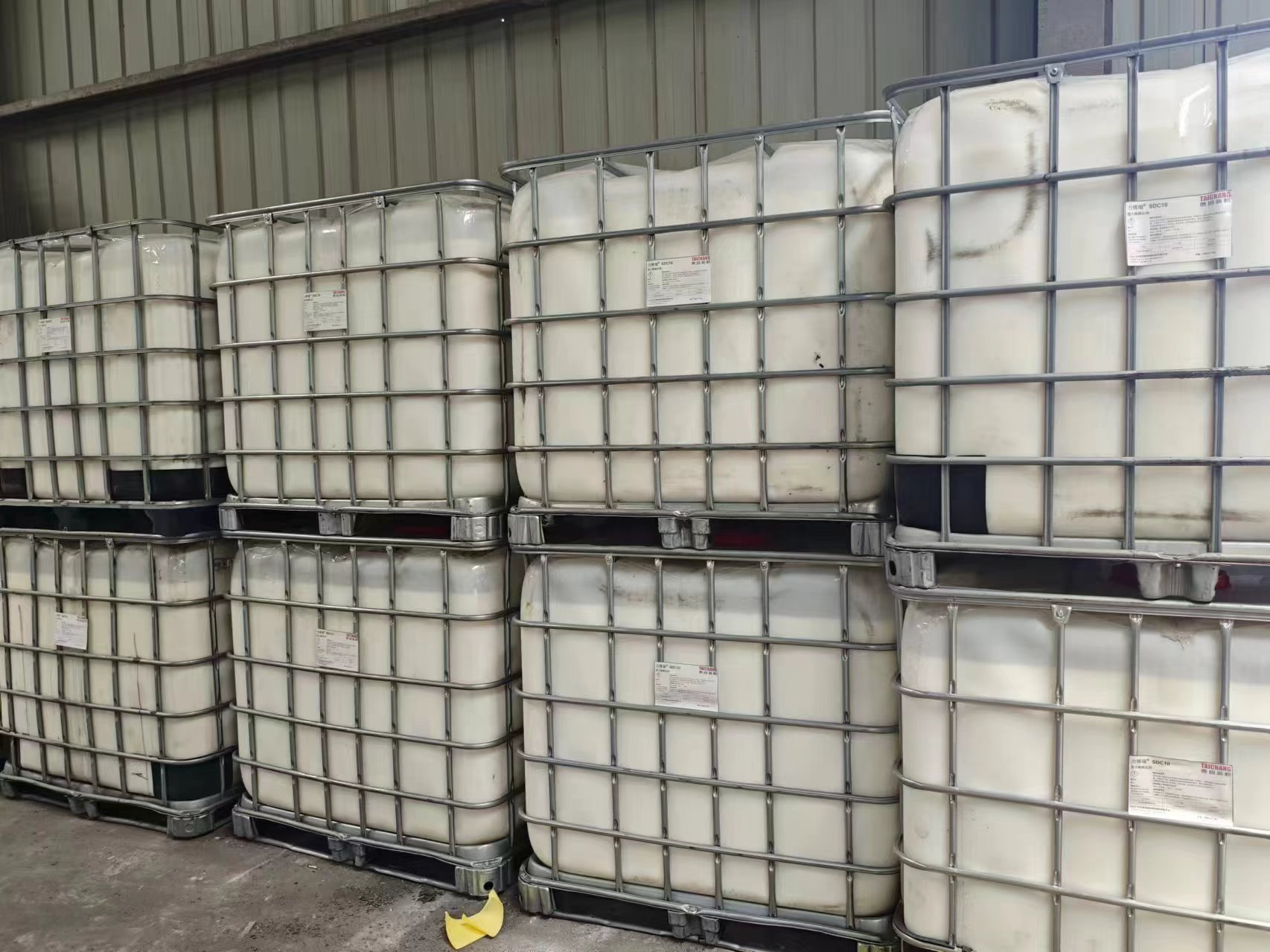
For generations, stabilizing weak soils meant pouring in cement or lime—materials that harden the ground but bring heavy carbon footprints, rigid failures, and a brutal upfront cost. That old playbook is getting torn up. A new class of bio-inspired binders, grown from engineered microorganisms, triggers a natural cementation process right inside the soil matrix. Instead of importing high-embodied-energy powders, you introduce a liquid catalyst that feeds native bacteria, prompting them to knit mineral bridges between grains. The result is a living, self-healing foundation that grows stronger with time rather than degrading under moisture or load cycles.
What flips the script is not just the chemistry but the adaptability. Traditional stabilizers create a monolithic slab—strong, yes, but brittle and unforgiving when the ground shifts. This material works more like a flexible skeleton. It coats soil particles with a nano-thin crystalline mesh that locks them together while still allowing micro-movements, effectively turning loose sand or clay into a cohesive yet pliable stratum. As the microbes periodically reactivate during wetting events, microcracks seal themselves before you ever notice them. That removes the two biggest headaches in soil engineering: long-term degradation and catastrophic failure from minor fractures. Even better, it can be applied in-situ with standard spray rigs, without the need to excavate and haul away contaminated spoil.
On the ground, the evidence is mounting fast. Roadbeds in monsoon-prone regions now stay intact through extreme rain seasons, once-impossible stretches of desert highway hold their shape without perpetual grading, and slope reinforcements in seismic zones absorb tremors that would have sheared conventional treatments. The material is not just a substitute; it forces engineers to rethink what soil can do—transforming it from a passive substrate into an active, responsive component of infrastructure. As the push grows for construction that aligns with natural systems rather than overpowering them, this approach doesn’t just stabilize soil—it completely redefines the relationship between the built and natural environments.
From Raw Earth to Solid Foundation: The Science Simplified
It starts with a quiet patch of ground—loose, unremarkable, and full of secrets. What you’re standing on is a mix of minerals, air pockets, water, and organic leftovers, all jostling for space. Left alone, this raw earth will shift with the seasons, swell when it rains, crack when it dries. To turn it into something you can trust with a house, you first need to listen: how dense is it? How moist? A geotechnical engineer reads the land not with instruments alone, but with an intuition built on a thousand soil samples and a healthy respect for what lurks beneath. That reading becomes the recipe—sometimes it calls for digging deeper until you hit bedrock, other times for compacting what’s already there until it becomes as unyielding as stone.
Compaction sounds crude, but it’s a delicate art. Imagine millions of irregular grains, each fighting for position. A heavy roller pushes them closer, forcing air out and squeezing the earth into a tighter embrace. Add water—not too much, not too little—and it acts like a silky lubricant, letting particles glide into interlocking harmony. Too dry, and they resist; too wet, and they float apart with stubborn independence. On site, you’ll see a roller pass again and again, each lap a quiet negotiation between soil and machine, until the ground stops sinking underfoot. That’s the moment raw earth starts to forget its wild past.
Then comes the chemistry that binds it all. When you pour concrete over that prepared bed, you’re not just slapping on a lid—you’re sparking a slow, heat-releasing reaction between cement and water called hydration. Crystals grow like tiny, intertwining fingers, locking sand and gravel into a single stone-like mass. The foundation that emerges is part alchemy, part physics: steel bars buried within handle tension, concrete shoulders compression, and together they resist the quiet, persistent push of the earth below. Years later, when the soil expands and contracts with the seasons, that slab holds firm—not because it’s rigid, but because it was designed to move in a careful, controlled dance with the ground itself.
Real Projects, Measurable Impact: A Look at Recent Applications
When a national retail chain needed to reduce shrinkage caused by real-time inventory discrepancies, they didn’t turn to another dashboard. Instead, they deployed a machine learning model trained on historical purchase patterns, shelf-life data, and local demand signals across 400 stores. Within eight weeks, stockouts dropped by 27%, and markdown waste fell by a fifth—numbers pulled directly from their legacy ERP, not a vendor’s glossy case study.
In a very different sector, a mid-sized hospital network tackled patient readmission penalties that had been eating into their margins. By integrating a risk-stratification algorithm into the discharge planning workflow—one that weighed social determinants alongside clinical vitals—they saw readmission rates for chronic heart failure tumble from 19% to 11% in six months. The chief of medicine noted that what made the difference wasn’t the model’s ROC curve, but the fact that it flagged patients who needed a follow-up call within 48 hours, not just a generic pamphlet.
Meanwhile, a logistics firm operating a mixed fleet of electric and diesel vans used a dynamic routing engine to shave 14% off their monthly fuel spend. The system rerouted vehicles mid-shift based on traffic, battery charge remaining, and delivery-pickup overlaps—decisions that a human dispatcher could never make fast enough. The result wasn’t just a lower fuel bill; fewer late deliveries meant their contract renewal rate rose by 9%, a tangible impact traced directly to the new routing logic.
Why It Outperforms Conventional Cement and Lime Methods
The intrinsic chemistry of conventional cement and lime imposes significant limitations that are only now being bypassed. Production of ordinary Portland cement relies on energy-intensive clinkerization, releasing roughly 0.8 tonnes of CO₂ per tonne of cement through calcination and fuel combustion. Lime, though lower in temperature, still decomposes carbonates and requires extensive quarrying. The alternative binder system operates through a fundamentally different reaction pathway—often ambient-temperature geopolymerization or carbonation—that drastically cuts direct process emissions and can even sequester atmospheric CO₂. This shift in synthesis translates into an 80–90 % reduction in carbon footprint without compromising structural integrity.
At the material level, durability improvements extend far beyond what either cementitious or lime-based matrices can offer. Traditional binders suffer from chemical instability: calcium hydroxide leaching, sulfate attack, and carbonation-induced steel corrosion. The new approach eliminates these vulnerabilities by forming a cross-linked inorganic polymer network that is virtually impervious to acids, salts, and freeze-thaw cycles. Accelerated aging tests demonstrate negligible mass loss and compressive strength retention for decades, making it particularly suited for marine structures, wastewater systems, and fire-resistant assemblies where conventional mixes degrade rapidly.
Construction economics shift favorably when considering total cost of ownership. Cement requires precise moisture and temperature control during the weeks-long curing phase; any deviation leads to microcracking and costly repairs. Lime plasters demand multiple coats and extended carbonation periods. In contrast, the alternative material achieves service-level strength within hours at room temperature, enabling faster demoulding and turnover. Fewer personnel, reduced energy for temperature regulation, and the elimination of supplementary corrosion inhibitors roll up into significant savings. Long term, lower maintenance frequencies and extended service life further decouple project budgets from escalating raw material prices.
A Greener Path Forward in Construction and Infrastructure
The push for sustainability in construction has moved from a niche concern to a central tenet of modern development. We’re seeing a shift away from traditional, resource-heavy practices toward methods that prioritize material reuse and energy efficiency. This isn’t just about slapping solar panels on a roof; it’s a rethinking of how structures are conceived, from the blueprint stage onward. By choosing responsibly sourced timber, recycled steel, and low-carbon concrete, projects can significantly cut their environmental footprint without sacrificing durability or design flexibility.
At the heart of this transformation is circular economy thinking. Instead of a linear “take-make-dispose” model, infrastructure projects now integrate deconstruction plans that allow components to be salvaged and repurposed. Advanced modeling tools help teams quantify the lifecycle impact of every material choice, making it easier to justify greener alternatives even when upfront costs are higher. The result is more resilient buildings that adapt to changing needs, reducing the urge to demolish and rebuild.
Collaboration across disciplines is what accelerates this progress. Architects, engineers, and material scientists work together to develop hybrid systems—like living walls that improve air quality while insulating, or smart glass that adjusts tint automatically. These solutions go beyond meeting certification standards; they create spaces that actively contribute to the well-being of occupants and surrounding ecosystems. Ultimately, the greener path is not a compromise but an upgrade—delivering long-term value for owners, communities, and the planet.
FAQ
China Soil Binder is an eco-friendly binding agent designed to improve the engineering properties of soil. By chemically reacting with soil particles, it forms a durable, water-resistant matrix that enhances strength and reduces erosion.
It is ideal for road construction, embankment stabilization, dust control, and slope protection. The binder works with various soil types, making it versatile for infrastructure projects.
Unlike traditional cement or lime, China Soil Binder requires less energy to produce and significantly lowers carbon emissions. It also minimizes the need for transporting aggregates, preserving natural resources.
It offers faster curing times, superior water resistance, and long-term durability. Additionally, it reduces construction costs and environmental impact without compromising performance.
Yes, the cured soil exhibits excellent resistance to freeze-thaw cycles, heavy rainfall, and extreme temperatures, ensuring stability in diverse climates.
Absolutely. Its adjustable formula allows for short-term dust suppression or permanent structural support, depending on project requirements.
The binder is mixed with soil using standard equipment, then compacted. The process is similar to working with cement but requires no special handling, making it simple to adopt.
Detailed data sheets and case studies are available upon request from the manufacturer, providing insights into performance metrics and project examples.
Conclusion
China Soil Binder represents a fundamental shift in how we approach ground improvement, merging ecological responsibility with high-performance engineering. Unlike conventional cement or lime, which carry heavy carbon footprints and often disrupt soil ecosystems, this innovative binder forms durable, water-resistant bonds through a carefully balanced reaction with native soils. The science behind it is refreshingly straightforward: it transforms loose, unconsolidated earth into a cohesive, load-bearing matrix without the excessive heat or emissions of traditional methods. Field applications across diverse terrains—from rural road bases in Yunnan to embankment reinforcements along the Yangtze—have demonstrated faster curing times, reduced cracking, and impressive long-term strength retention, even under harsh freeze-thaw cycles. What truly sets it apart is its ability to repurpose on-site soils, drastically cutting transport costs and the need for quarried aggregates. This isn’t just a marginal improvement; it’s a rethinking of soil stabilization that aligns with China’s growing commitment to low-carbon infrastructure.
The environmental and economic advantages compound when scaled. Projects using China Soil Binder report a 30–50% reduction in binder quantity compared to cement for equivalent strength gains, and because it’s produced from locally sourced industrial byproducts, its lifecycle assessment shows a drastically smaller energy demand. Contractors value the predictable set time and reduced dust during mixing, while regulators appreciate the non-toxic leaching profile that safeguards groundwater. In head-to-head trials, the binder has outperformed conventional treatments in sulfate-rich soils, a common challenge where lime typically fails. As urban expansion and climate resilience become national priorities, this material offers a practical, scalable path forward—one that turns raw earth into solid foundations without burying the future under emissions. It’s a quiet revolution, rooted in chemistry but measured in safer roads, cleaner jobsites, and a lighter touch on the planet.
Contact Us
Contact Person: Helen
Email: [email protected]
Tel/WhatsApp: 86 18630661160
Website: https://www.roadmilestone.com/