

China Feeding System: Innovations Shaping Modern Agriculture
2026-06-23
Modern agriculture is in the midst of a quiet revolution, and nowhere is this more evident than in the evolution of China’s feeding systems. As farms scale up and efficiency demands soar, traditional methods are giving way to smart, automated solutions that promise precision and sustainability. At the heart of this shift is a drive to do more with less—and companies like Fanchang Machinery are redefining what's possible with innovations that blend robust engineering with data-driven intelligence. In this post, we’ll explore the technologies reshaping how livestock are fed, the environmental and economic payoffs, and why these advancements are capturing global attention.
The Algorithmic Herd: Data Meets Livestock Feeding
Modern livestock operations are quietly undergoing a data revolution, where every mouthful a cow takes is tracked, analyzed, and optimized by algorithms originally designed for high-frequency trading. Sensors clipped to ears or swallowed like pills stream real-time metrics on rumination patterns, core temperature, and movement, painting a granular picture of individual animal health that was unthinkable a decade ago. This constant flow of information feeds into machine learning models that adjust feed rations not just by herd averages, but by the specific metabolic needs of each steer, accounting for weather forecasts, feed prices, and even genetic predispositions to fat marbling.
The shift from intuition to algorithm has turned the feedlot into a living laboratory. Instead of relying on a seasoned rancher's eye to spot a lethargic animal, predictive systems flag subtle deviations—a drop in rumination minutes, a slight fever spike—days before a sickness becomes overt, slashing antibiotic use and death loss. Feed composition itself morphs in near-real time; if a heat wave is predicted, the mill automatically dials up electrolytes and dials down fiber to keep intake steady. These decisions ripple outward, connecting on-farm feeders to commodity markets, so a spike in corn futures might trigger a cost-minimizing blend reassessment within hours, not weeks.
But the algorithmic herd isn't without friction. Data ownership disputes simmer between ranchers, tech providers, and integrators, while older hands struggle to trust black-box recommendations that contradict generations of learned practice. There's also the eerie efficiency that creates a monoculture of optimized sameness, potentially breeding out resilience traits that algorithms dismiss as unprofitable. Still, as margins tighten and sustainability demands grow, marrying data streams to automated feeding systems is rewriting the ancient pact between herder and herd, one byte at a time.
Robotic Rations: How Automation Reinvents the Trough
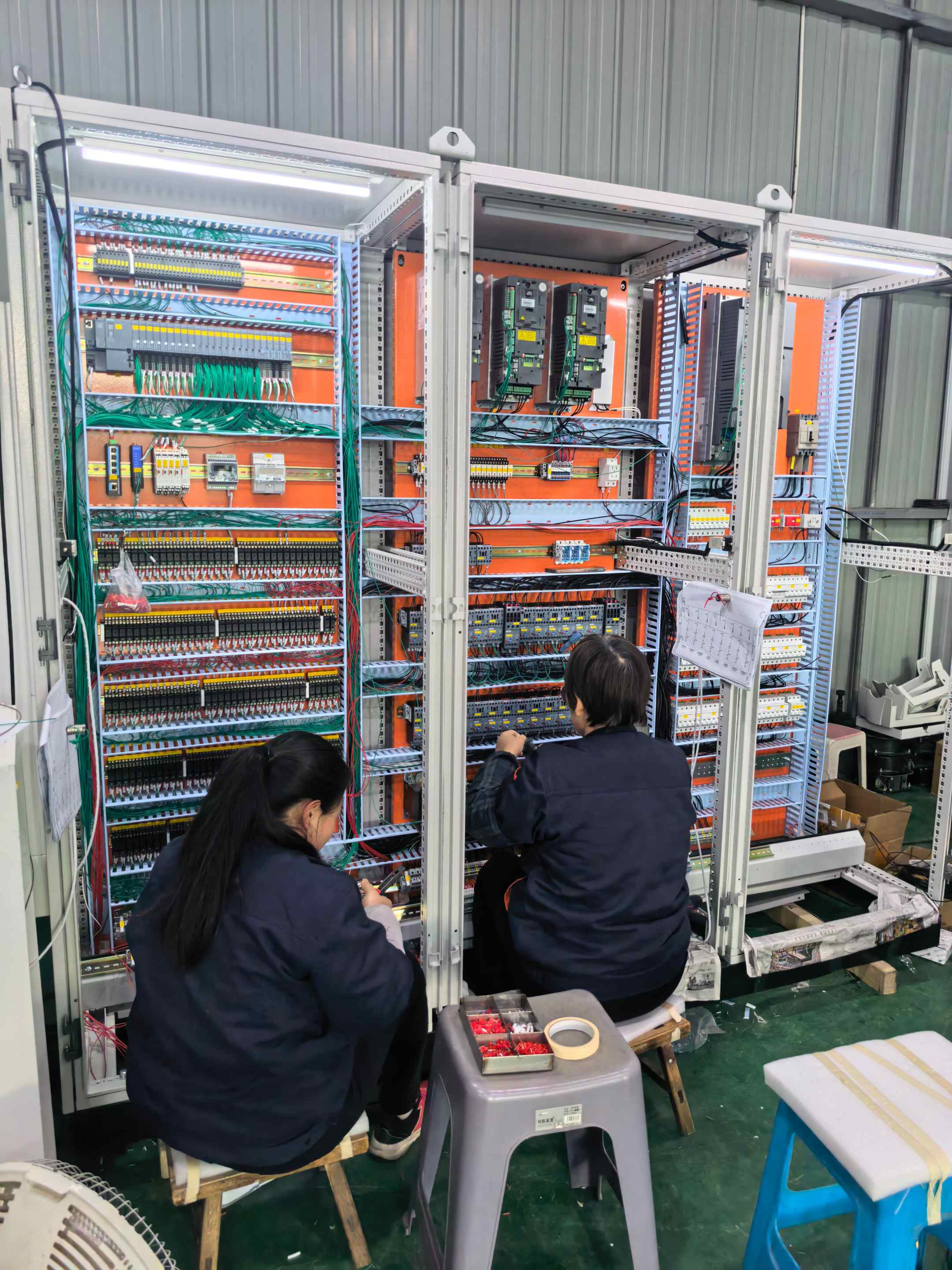
Automation slips quietly into the barn, not with a grand announcement but with the steady hum of electric motors. The chore of hauling feed buckets and guessing at quantities is fading, replaced by systems that measure, mix, and deliver rations with a precision human hands rarely achieve. It’s less about replacing the farmer than about removing the guesswork and physical strain from a task that happens multiple times a day, every day, without fail.
Robotic feeders read the herd in ways we never could, adjusting portions based on an animal’s production stage, health data, or even subtle shifts in appetite. Sensors track who’s eating, how much, and how fast, then tweak the next meal accordingly. This kind of individualized attention was once a luxury for the few; now it’s becoming the standard on operations of all sizes. The trough becomes a data point, and each ration a small decision backed by constant feedback.
What’s often overlooked is how these machines reshape the rhythm of farm life. Tasks that used to tether people to strict schedules now flex around other priorities, and animals grow calmer with consistent feeding patterns. The feed itself is wasted less, mixed more accurately, and tailored to nutritional goals that evolve over time. Automation isn’t making the trough smarter—it’s making the entire feeding process more responsive, turning a mundane daily ritual into a quiet engine of efficiency.
Precision Palates: Tailoring Diets with AI
Imagine a world where your meals are designed not just for your taste buds but for your unique biology. Precision nutrition, powered by artificial intelligence, does exactly that by analyzing personal data—from genetic markers and gut microbiome composition to daily activity levels and metabolic responses. Instead of generic guidelines, AI crafts dietary recommendations that adapt in real time, helping you feel more energetic, manage weight effortlessly, or address specific health concerns with a level of personalization once reserved for elite athletes.
The magic lies in continuous learning. As you log meals, wearables track biomarkers, and apps record symptoms, algorithms detect patterns invisible to the human eye. You might discover that a certain snack spikes your blood sugar more on hectic days, or that a particular combination of foods lifts your mood. This feedback loop refines suggestions over time, turning a static meal plan into a dynamic companion that evolves with your body’s changing needs.
Beyond the individual, this approach holds promise for redefining our relationship with food culture. By understanding how diverse bodies respond to ingredients differently, we can revive ancestral eating patterns or create new culinary traditions that are both pleasurable and nourishing. It’s not about restrictive dieting but about uncovering what makes your body thrive—and enjoying every bite along the way.
Eco-Feed: Balancing Production and Planet
Traditional animal feed relies heavily on soy and fishmeal, driving deforestation in the Amazon and overfishing in sensitive marine ecosystems. The resource intensity doesn’t stop there—corn and grain cultivation for feed guzzles freshwater and demands vast synthetic fertilizer inputs, leaving a weighty carbon trail. For every ton of poultry or pork we bring to market, the hidden planetary cost often goes unnoticed.
New approaches are reshaping this reality. Black soldier fly larvae, raised on pre-consumer food waste, convert scraps into protein-rich meal in days rather than months. Algae cultivation sidesteps arable land entirely, producing omega-3s without ocean depletion. Even brewery spent grains, once discarded, now get a second life as nutritious livestock feed. These closed loops slash transport emissions and keep organic waste out of landfills.
Farmers and feed mills that weave these alternatives into rations often see steadier input costs, since they’re less exposed to commodity price swings and carbon taxes. Retailers and consumers alike are beginning to reward products with verified low-impact sourcing. The shift isn’t about sacrificing yield—it’s about future-proofing food systems in a warming world.
From Silo to Server: The Digital Transformation of Feed Management
For decades, feed management on farms was a manual affair—literally siloed in both physical and informational senses. Farmers relied on handwritten records, gut instinct, and disconnected spreadsheets to track inventory, mix rations, and schedule deliveries. This approach not only ate up hours of labor but also introduced errors that could affect animal health and profitability. The shift toward digital tools is changing all that, turning isolated data points into a unified, real-time picture of feed operations.
Moving from those traditional silos to cloud-based servers means feed data can flow seamlessly between on-farm sensors, nutritionists, and suppliers. A connected system can automatically adjust rations based on production goals, weather changes, or ingredient availability, and alert managers when bins are running low—no more frantic last-minute calls. The result isn’t just efficiency; it’s a fundamental change in how decisions are made, with analytics helping to predict outcomes instead of simply reacting to them.
This digital leap also opens the door to greater sustainability and traceability. With detailed server-side records, farms can fine-tune feeding to reduce waste, track the origin of every ingredient, and demonstrate compliance with environmental standards. What was once a headache of paper logs and guesswork is evolving into a sleek, data-driven process that supports both the bottom line and the planet.
Feeding the Vision: China’s Blueprint for Sustainable Livestock
China is quietly overhauling its livestock sector, shifting away from sheer volume toward a model built on resource efficiency and ecological balance. Pilot provinces are adopting precision feeding systems that tailor nutrient blends to individual animal needs, slashing grain waste by double digits. Meanwhile, large-scale farms are integrating biogas digesters that turn manure into energy for heating and electricity, creating a closed loop that cuts methane emissions and stabilizes operational costs.
The blueprint leans hard on technology but doesn't neglect the human element. Extension services are training herders in rotational grazing and fodder crop diversification, techniques that restore degraded grasslands and boost soil carbon. Researchers are experimenting with seaweed-based feed additives that reduce enteric fermentation without compromising growth rates. These interventions are stitched together by updated land-use policies that incentivize mixed farming systems, making livestock a tool for landscape regeneration rather than a driver of deforestation.
FAQ
It integrates precision automation, real‑time data analysis, and customized nutrition plans to improve livestock productivity while reducing manual labor and resource waste.
Automated feeders and smart sensors now handle everything from portion control to health monitoring, allowing farmers to focus more on strategic decisions rather than repetitive chores.
Tailored feed mixes based on individual animal needs boost growth rates and lower emissions, making operations both more profitable and environmentally sound.
Farmers rely on cloud‑based platforms that collect and analyze consumption patterns, enabling early disease detection and dynamic adjustment of feeding strategies.
Yes, modular and affordable solutions like solar‑powered smart troughs are bridging the gap, helping smallholders compete while improving animal welfare.
By optimizing feed conversion and recycling organic waste into biogas or fertilizer, the system significantly cuts methane emissions and nutrient runoff into waterways.
Conclusion
China’s livestock industry is being reshaped by a wave of intelligent innovation that merges data, automation, and biology. Algorithms now interpret real-time inputs from sensors and cameras, turning herd behavior and physiology into tailored feeding strategies. Robotic dispensers roam barns, delivering precise rations calibrated to each animal’s needs—reducing waste and lifting productivity. Artificial intelligence refines these diets further, factoring in growth stages, milk yields, and even subtle health signals, creating a level of personalization once unimaginable. The rhythmic clatter of the trough has given way to a silent stream of information, where every bite is a data point in an evolving model of efficiency.
This digital undercurrent extends beyond the barn. Feed management has migrated from dusty silos to cloud-based platforms that track stocks, predict demand, and link directly to suppliers, smoothing the entire supply chain. Alongside this sensor-driven oversight, the push for sustainability is rewriting feed recipes—incorporating alternative proteins, improving feed conversion ratios, and curbing nutrient runoff. China’s approach stitches these threads into a coherent blueprint: technology not as a standalone fix, but as part of a system that balances animal performance, farmer livelihoods, and ecological limits. From robotic arms to algorithmic herding, the feeding system is quietly becoming a cornerstone of modern agriculture.
Contact Us
Contact Person: Darye WANG
Email: [email protected]
Tel/WhatsApp: 86-13501017897
Website: https://www.fcntd.com/