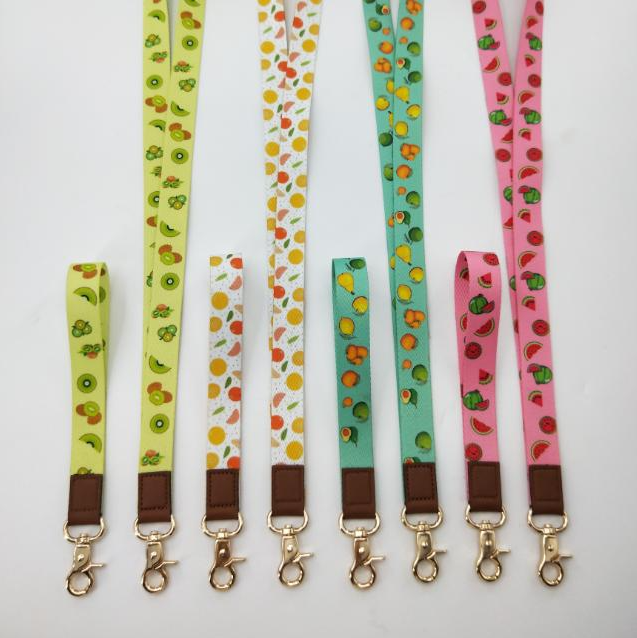

Best Mask Holder Lanyards for Comfortable All Day Wear
2026-11-21
Most mask lanyards feel fine for an hour, then turn itchy, heavy, or just annoying. The ones worth keeping are different: they stay put without pulling, release safely when snagged, and stay comfortable from morning errands to a full shift. If you're tired of fiddling with flimsy cords, the right pick changes how you forget you're even wearing a mask. Below, we break down the features that matter and the styles that get it right — including a closer look at DONGCHUANG.
Why Some Lanyards Feel Fine in the Morning and Annoying by Noon
Most of the time the lanyard hasn't actually changed by midday. Your skin has. A strap that sits lightly against a cool, dry neck at 8 a.m. starts to trap warmth and sweat once you've been moving around, and that thin layer of moisture turns the fabric into a slow abrasive. Even a slightly stiff edge or a tight weave becomes something you notice every time you turn your head.
The shape of the strap matters more than people expect. Narrow cords concentrate their weight in one small line, while wider straps can rub against the collarbone or jaw if the edges aren't finished smoothly. Add a badge reel or keys that pull the strap off-center, and the same lanyard that felt invisible in the morning develops a hot spot that's hard to ignore by noon.
Strap Materials That Stay Gentle Through Sweat and Movement
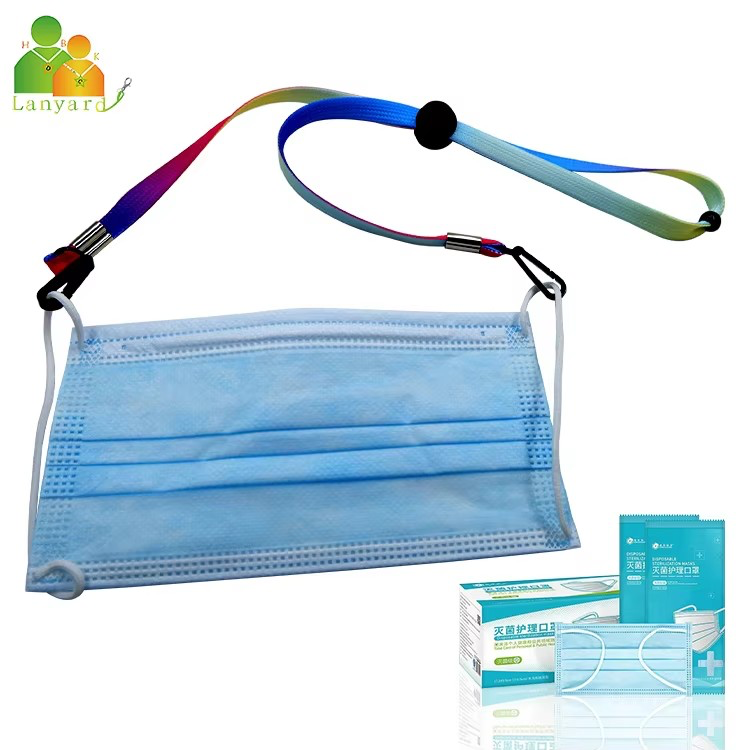
Sweat changes how a strap feels within minutes, so the material has to be chosen for wet friction, not just softness in a dry showroom. A tightly woven nylon with a slight give tends to stay smooth as moisture builds, while closed-cell silicone with micro-texturing can keep its grip without turning tacky or sticky against the skin.
Movement adds another layer of stress. As the body shifts, a strap with hard edging or stiff stitching can start to saw at the same small patch of skin. Materials that work here usually have rounded, low-profile seams and enough stretch to move with the muscle instead of pulling back against it. Salt from dried sweat also matters — some knits turn abrasive once the fibers stiffen, while treated hydrophobic yarns rinse clean and stay flexible.
What often gets overlooked is how the material behaves after repeated exposure to sweat and washing. Cotton blends feel soft at first but hold moisture and can become coarse over time. A better option is a fast-drying knit or a skin-safe elastomer that doesn't absorb sweat in the first place, so it won't harden, chafe, or develop that stiff crust that makes a strap feel like sandpaper by the end of a long session.
Length Adjustments You Will Actually Use More Than Once
Most length adjustment guides dive straight into obscure tailoring tricks, but the real value lies in changes you'll actually repeat. Think about the pairs of pants you own where the hem drags on one side, or a dress that would look sharper with the waist taken in just a touch. Those small fixes are not rare; they show up across seasons, fabrics, and brands. Once you know how to handle a basic hem or take in a side seam without overcomplicating the process, you stop postponing the work and begin treating it as routine maintenance. The goal is not to memorize every possible alteration, but to build a short list of adjustments that apply to your actual wardrobe rather than someone else's.
A well-edited set of repeatable length adjustments starts with measuring twice and cutting once, but it also means accepting that some pieces will need a different approach each time due to fabric weight or lining. For example, shortening a pair of jeans often requires preserving the original hem if you want to keep the worn-in look, while a synthetic lining may need a separate stitch length to avoid puckering. Instead of treating these as advanced skills, reframe them as variations of two or three core methods: a standard blind hem, a rolled hem for lighter fabrics, and a simple seam adjustment that accounts for ease. Once these become second nature, you will find yourself reaching for a needle and thread before considering whether the garment is worth the effort.
The hidden benefit of focusing on adjustments you will use more than once is that your mistakes become less expensive over time. Early attempts on an old cotton skirt or a thrifted pair of trousers teach you how much seam allowance to leave, how to press without shining the fabric, and how to check symmetry from multiple angles. Because these are the same problems that will appear again, each fix reinforces muscle memory instead of feeling like a one-off experiment. You stop viewing length changes as a dramatic transformation and start seeing them as a way to keep clothes functional, comfortable, and aligned with how your body actually moves day to day.
Clip Designs That Hold Without Pulling on Your Mask
A well-shaped clip does most of its work by following the curve behind your ear or along the side of your head. Instead of gripping the mask's elastic tightly, it uses a wider contact area and a slight downward angle, so the strap stays put without being stretched further. That small change keeps pressure off the back of the ear and stops the mask from riding up toward the eyes.
The best designs also tend to place the holding notch away from the fabric edge. By leaving a short gap between the clip and the mask, the elastic can settle into its natural position rather than being yanked backward. Some clips add a soft inner lip or a matte finish, which gives the strap enough friction to stay secure while still letting you remove the mask with one hand.
Keeping a Hanging Mask Out of Your Way All Day
A mask that dangles from one ear or gets stuffed into a pocket usually ends up twisted, dusty, or skidding across the floor at the worst moment. The goal is to give it a fixed spot that takes zero effort to reach. A tiny adhesive hook mounted under the edge of a desk or on the side of a monitor works better than a drawer because the mask stays visible and off shared surfaces.
For days when you are moving between rooms or in and out of a car, try a small carabiner clipped to a belt loop or bag strap. Hook one ear loop through the clip and let the mask hang flat against your side. It will not swing wildly if you shorten the ear loops with a cord lock or a simple knot, and you can grab it without looking.
If you prefer keeping it near your chest, use a lightweight lanyard with a breakaway buckle and attach both ear loops. This keeps the mask from sliding behind your shoulder or catching on door handles. Wipe down the clip or hook once a day, since any spot that touches your hands will pick up the same grime your keys do.
Small Comfort Details Worth Checking Before You Buy
Run your fingers along the inner side of cuffs, collars, and any seam that sits close to the skin. A tag or stitch line that feels harmless during a quick try-on can become a persistent scratch by midday, especially where a backpack strap or seatbelt adds pressure. Zipper pulls, hook-and-eye closures, and the ends of drawstrings are also worth a second look, since these small hard pieces often rest against the chin, waist, or wrist.
Move the way you actually would on a normal day rather than just standing in front of a mirror. Reach both arms forward, sit down, crouch, and check how the fabric shifts. Tightness across the shoulder blades, a waistband that folds over when you bend, or a lining that clings to tights are the kinds of issues that only appear after a few hours of wear. If a detail already feels slightly off before the tags come off, it rarely improves with use.
FAQ
It usually comes down to thin cord, rough edges, or a fixed length that pulls the mask against your face. A wider strap, a smooth slider, and a little adjustability fix most of that.
Soft silicone, woven nylon, and cotton blends tend to be the easiest to forget you're wearing. Bare metal can work if it's lightweight and has rolled or coated edges, but cheap chains often snag.
Yes. Flat cords and silicone bead designs are much less likely to grab hair than round chains or braided cords. Keeping the length adjusted so it doesn't ride up behind your neck also helps.
Around 20 to 24 inches works for most adults, but an adjustable slider matters more than exact length. You want the mask to rest at your chest when it's off and still reach your face without straining.
Many do, especially those with thin, adjustable loops or small clips that attach to the head straps. Just avoid pulling too hard on the strap if the mask needs a tight seal.
For silicone and nylon, warm water with mild soap is usually enough. Metal pieces can be wiped with a damp cloth. Skip harsh cleaners because they can break down the coating or the elastic.
Look for cords that sit lower or have a smooth, sliding fit rather than bulky clasps near the ears. Thin, flat styles are less likely to interfere with glasses arms or hearing aid tubing.
It can help because it moves the pressure from the back of your ears to your neck or upper chest when the mask hangs loose. Choose one with soft, wide contact points if your skin gets irritated easily.
Conclusion
Most mask lanyards feel fine for the first hour, but by midday the same strap can start to rub, bounce, or pull your ear loops forward. The difference usually comes down to material. Soft woven or slightly stretchy straps stay comfortable against warm, sweaty skin, while hard nylon or thin cord tends to dig in as you move. A good length adjuster also matters more than the strap color or pattern. You want a slider that holds its position so the mask hangs close to your chest instead of swinging into your lap or catching on things, and you want enough room to lift the mask back over your face without struggling. The clips should grip the ear loops without creating extra tension, because even a small pull can make the area behind your ears sore by the afternoon.
A well-designed holder keeps a hanging mask out of your way, letting it sit flat rather than dangle and snag on bags, seat belts, or corners. Before buying, pay attention to the small comfort details. Lightweight clips, smooth edges, rounded hardware, and stitching that does not scratch your neck. These are the things you notice after hours of wear. The best mask holder lanyard is not necessarily the one with the boldest design or the longest feature list. It is the one that stays secure, feels soft, and lets you forget it is there until you actually need to pull your mask up again.
Contact Us
Contact Person: Bill Huang
Email: [email protected]
Tel/WhatsApp: 8613829102720
Website: https://www.dclanyard.com