

advanced wire rolling production lines in China: innovation and efficiency
2026-02-26
In the heart of China's industrial landscape, advanced wire rolling production lines are redefining the standards of innovation and efficiency, driving the steel industry into a new era of precision and productivity. For companies seeking to elevate their manufacturing capabilities, staying ahead of technological trends is not just an option—it's a necessity. At GRM, we specialize in cutting-edge solutions that transform raw materials into high-quality wire, ensuring seamless operations and reduced downtime. This blog delves into the latest advancements and strategies shaping wire rolling in China, offering insights that can propel your business forward. Join us as we explore how smart automation and sustainable practices are creating a competitive edge in today's fast-paced market, and discover why partnering with experts like GRM is key to unlocking unparalleled growth and efficiency.
Innovative Technologies Transforming China's Wire Rolling Production
The evolving landscape of China's wire rolling industry is redefining manufacturing standards through advanced automation and process optimization. By integrating real-time monitoring systems and AI-driven predictive maintenance, facilities now achieve unprecedented levels of efficiency and product uniformity. This shift not only reduces downtime but also enhances the precision required for specialized applications in sectors like automotive and construction, where consistent wire quality is critical. The adoption of these technologies reflects a broader move towards smarter factories that prioritize reliability over sheer output.
Material science innovations are playing a pivotal role in transforming production lines, with new alloy compositions and heat-treatment techniques enabling wires to meet demanding performance criteria. For instance, the development of high-strength, corrosion-resistant wires allows for lighter and more durable end-products, benefiting industries ranging from aerospace to renewable energy. These advancements often involve collaborative research between manufacturers and academic institutions, fostering a culture of continuous improvement that keeps China's wire rolling sector at the forefront of global competition.
Beyond technical upgrades, strategic investments in eco-friendly practices are reshaping the industry's environmental footprint. Modern facilities incorporate energy-efficient rolling mills and closed-loop water recycling systems, significantly cutting waste and emissions. This focus on sustainability aligns with global trends and regulatory pressures, making Chinese wire products more attractive in international markets that value green manufacturing. As a result, the integration of innovation with environmental stewardship is not just a technical achievement but a competitive advantage that distinguishes China's production capabilities.
Enhancing Efficiency Through Automation in Chinese Wire Mills
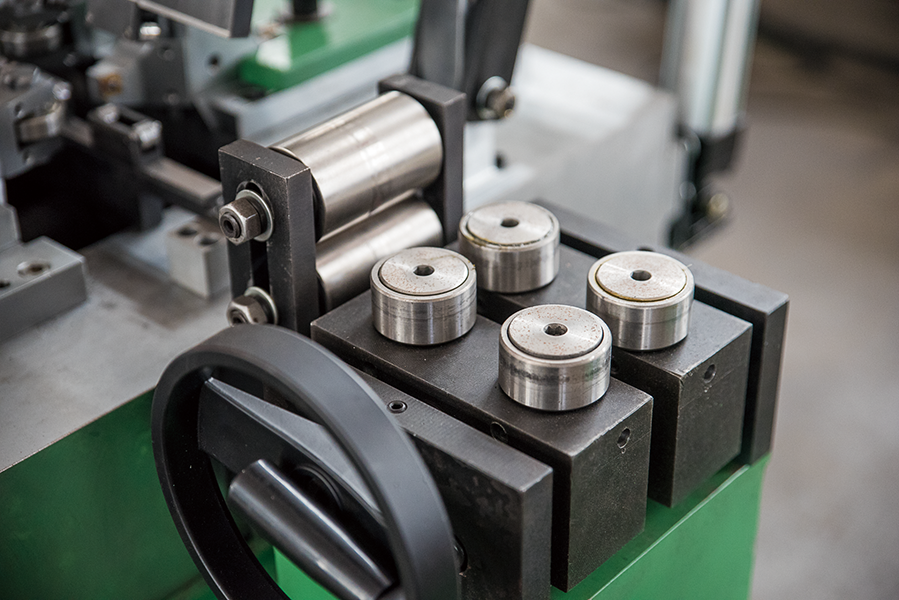
Automation is rapidly transforming the landscape of wire production in China, with mills increasingly adopting advanced technologies to streamline operations and boost productivity. By integrating robotic systems for material handling and automated quality control, these facilities can reduce human error and accelerate output, meeting the growing global demand for high-quality wire products in industries from construction to electronics.
Beyond basic mechanization, many Chinese wire mills are implementing smart factory solutions, such as IoT sensors and real-time data analytics, to optimize energy consumption and minimize downtime. This shift not only cuts operational costs but also enhances precision in wire drawing and coating processes, ensuring consistent product performance and compliance with international standards.
By fostering collaboration between engineers and digital tools, these mills are paving the way for sustainable growth, leveraging automation to create more agile and competitive production environments that adapt quickly to market changes and customer needs.
Sustainable Practices Reshaping China's Wire Manufacturing Industry
A quiet revolution is sweeping through China's wire manufacturing sector as companies increasingly pivot toward sustainable practices to address environmental concerns and rising global demand for eco-friendly products. Unlike traditional approaches that prioritized rapid production at any cost, today's leading manufacturers are investing in advanced recycling systems that recover copper and aluminum from industrial waste, reducing reliance on virgin materials. By implementing closed-loop processes, these factories not only cut down on landfill contributions but also achieve significant cost savings, demonstrating that profitability and environmental stewardship can go hand in hand.
Another transformative shift involves the adoption of energy-efficient technologies in production lines. Many companies now utilize renewable energy sources like solar panels to power their facilities, slashing carbon emissions while complying with stricter government regulations. For instance, some manufacturers have retrofitted older equipment with smart sensors that optimize electricity usage during high-demand periods, leading to a noticeable drop in energy consumption. This proactive approach not only enhances operational efficiency but also positions Chinese wire producers as competitive players in international markets, where sustainability certifications are becoming key differentiators for buyers.
Beyond technical innovations, there's a growing emphasis on sustainable sourcing and workforce training. Forward-thinking firms are collaborating with suppliers to ensure raw materials are ethically mined and transported, reducing the industry's overall ecological footprint. Meanwhile, training programs educate employees on waste reduction techniques and safety protocols, fostering a culture of sustainability that extends from the factory floor to corporate offices. As consumer awareness rises and global trade agreements increasingly favor green products, China's wire manufacturing industry is poised to lead by example, proving that responsible practices can drive long-term growth and innovation.
Customized Solutions for High-Quality Wire Production in China
China's wire production industry has evolved significantly, moving beyond mass manufacturing to embrace customized solutions that cater to diverse global demands. Companies here leverage advanced technologies like AI-driven automation and precision engineering to craft wires tailored for specific applications, such as automotive electronics or renewable energy systems. This shift not only enhances product quality but also allows clients to optimize performance and cost-efficiency, making China a pivotal hub for bespoke wire solutions.
What sets Chinese producers apart is their ability to integrate flexibility with rigorous quality control. By collaborating closely with clients from the design phase, manufacturers can adjust materials, diameters, and coatings to meet exact specifications, ensuring durability and reliability. This hands-on approach, supported by extensive R&D facilities, enables rapid prototyping and scalability, helping businesses adapt to dynamic market needs without compromising on standards.
Beyond technical expertise, China's wire industry emphasizes sustainability and compliance with international regulations. Custom solutions often incorporate eco-friendly materials and energy-efficient processes, aligning with global trends towards greener production. This holistic focus on innovation, quality, and environmental responsibility positions Chinese manufacturers as leaders in delivering high-caliber wire products that stand out in competitive markets worldwide.
Global Competitiveness Boosted by Advanced Production Lines
Innovative production systems, featuring robotics and AI-driven precision, have revolutionized global business landscapes by slashing operational costs and enhancing quality control. These advancements empower companies to meet fluctuating market demands with remarkable adaptability, fostering a competitive edge that transcends traditional manufacturing limitations.
By integrating real-time data analytics and predictive maintenance, advanced production lines minimize downtime and optimize resource allocation, leading to heightened productivity and sustainability. This synergy not only accelerates time-to-market for new products but also cultivates resilience against supply chain disruptions, positioning firms at the forefront of international trade.
The ripple effects of such technological upgrades extend beyond factory walls, as they drive economic growth by creating high-skilled jobs and encouraging innovation in adjacent sectors. Ultimately, this transformative shift underscores how cutting-edge production capabilities are key to thriving in a dynamic global economy, where efficiency and agility dictate market leadership.
Future Trends and Developments in Chinese Wire Rolling Technology
China's wire rolling technology is rapidly evolving, driven by a blend of innovative research and practical industrial needs. One key trend is the integration of smart manufacturing systems, where AI-powered predictive maintenance and real-time quality monitoring are becoming standard. This shift not only boosts efficiency but also reduces waste, aligning with global sustainability goals while maintaining robust production outputs for domestic and international markets.
Another exciting development lies in material science advancements, particularly with high-strength, lightweight alloys tailored for specialized applications like aerospace and automotive sectors. Chinese researchers are pushing boundaries with novel alloy compositions and processing techniques, such as micro-alloying and controlled cooling, which enhance wire durability and performance under extreme conditions, setting new benchmarks in the industry.
Looking ahead, cross-sector collaboration is set to accelerate progress, with partnerships between tech firms and traditional manufacturers fostering breakthroughs in eco-friendly practices and energy-efficient processes. This synergy is poised to position China as a leader in next-generation wire rolling, blending cutting-edge innovation with scalable, cost-effective solutions that cater to diverse global demands.
FAQ
Recent advancements include AI-driven automation for real-time quality control, such as machine vision systems that detect defects with high precision, reducing waste and improving efficiency.
By integrating energy-saving technologies like regenerative braking in motors and optimizing processes to achieve faster speeds with minimal downtime, often boosting output by over 30%.
Manufacturers are adopting eco-friendly practices, such as recycling cooling water and using renewable energy sources, to lower carbon footprints and meet global environmental standards.
Companies like Baosteel and Magang have developed proprietary systems, incorporating IoT sensors for predictive maintenance, which set benchmarks for reliability in the industry.
Digital twins and cloud-based analytics enable remote monitoring and optimization, allowing operators to simulate changes before implementation, thus reducing risks and enhancing adaptability.
High initial costs and skills gaps are major hurdles, addressed through government subsidies for technology adoption and training programs that upskill workers in digital tools.
Conclusion
The evolution of advanced wire rolling production lines in China stands as a testament to the country's commitment to innovation and efficiency in manufacturing. Through the integration of cutting-edge technologies, such as artificial intelligence and IoT-enabled systems, Chinese wire mills are transforming traditional processes into highly automated operations. This shift not only enhances precision and consistency but also significantly reduces human error and operational costs. As highlighted in various developments, these innovations are pivotal in boosting global competitiveness by enabling faster production cycles and superior product quality. The emphasis on customized solutions further allows manufacturers to cater to diverse industrial needs, positioning China as a leader in high-quality wire production on the international stage.
In parallel, sustainability and future trends are reshaping the industry, with Chinese wire manufacturers adopting eco-friendly practices and energy-efficient technologies. By prioritizing sustainable practices, these production lines minimize waste and environmental impact, aligning with global green initiatives. Looking ahead, continued advancements in areas like smart manufacturing and digital twins are expected to drive further efficiency gains and adaptability. This forward-thinking approach ensures that China's wire rolling sector remains at the forefront of technological progress, ready to meet evolving market demands while fostering a more resilient and competitive manufacturing ecosystem worldwide.
Contact Us
Contact Person: Rayna
Email: [email protected]
Tel/WhatsApp: 86 -173 1474 6343
Website: https://www.grmrollingmill.com/